
Summer travel is exciting, but bringing your pet along requires more preparation than many owners realize. Whether you are planning a road trip, beach vacation, or flight with your furry companion, understanding the basics of traveling with pets can help keep the experience safe and stress-free for everyone involved.
In this guide, you will learn how to prepare your pet for travel, what health and safety precautions to take before leaving, and the answer to a common question many owners ask: Do pets need vaccines before travel? From packing essentials to travel safety tips, here is what pet owners need to know before heading out this summer.
Why Planning Matters When Traveling With Pets
Travel can be exciting for people, but it can also be overwhelming for pets. New environments, unfamiliar sounds, long car rides, crowded airports, and changes in routine may cause stress or anxiety.
Planning helps reduce potential problems such as:
- Motion sickness
- Dehydration
- Anxiety
- Heat exhaustion
- Lost pets
- Travel-related illness
A little preparation before your trip can make traveling with pets smoother, safer, and more enjoyable.
Schedule a Veterinary Checkup Before You Travel
One of the most important steps before traveling is scheduling a wellness visit with your nearest veterinarian.
A pre-travel exam helps ensure your pet is healthy enough for the trip and allows your veterinary hospital to identify any concerns before you leave.
During the visit, your veterinarian may:
- Review your pet’s overall health
- Update vaccines if needed
- Discuss parasite prevention
- Refill medications
- Provide travel certificates if required
- Recommend calming aids for anxious pets
This visit is also the perfect time to ask questions about your destination and any travel-related risks.
How to Prepare Your Pet for Travel
Learning how to prepare your pet for travel can make a major difference in your pet’s comfort level.
Start With Short Practice Trips
If your pet is not used to traveling, take shorter drives before your trip to help them adjust gradually.
Make Carriers Feel Familiar
Leave carriers out at home before the trip and place treats, toys, or blankets inside so your pet associates the carrier with comfort.
Keep Routines Consistent
Pets often feel calmer when feeding times, bathroom breaks, and exercise routines remain predictable.
Pack Familiar Items
Bring your pet’s:
- Favorite blanket
- Toys
- Food
- Treats
- Leash
- Medication
Familiar scents can help reduce stress in unfamiliar environments.
Car Travel Safety Tips for Pets
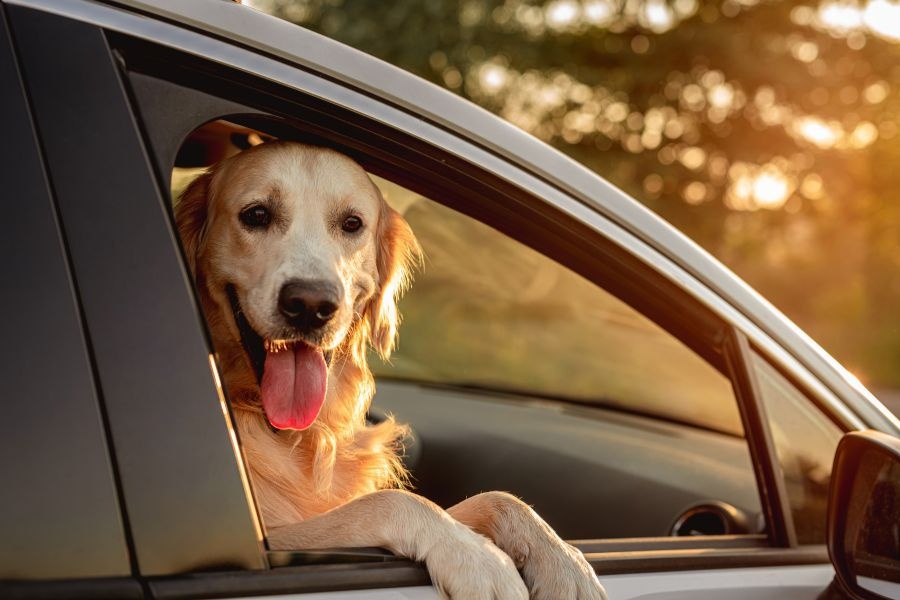
Road trips are one of the most common forms of summer travel with pets, but safety should always come first.
Use a Secure Restraint
Pets should never roam freely inside a moving vehicle.
Safer options include:
- Crash-tested carriers
- Travel crates
- Pet seat belt harnesses
Proper restraints reduce distractions and help protect pets during sudden stops or accidents.
Never Leave Pets in a Parked Car
Even a few minutes inside a hot vehicle can become dangerous.
Temperatures inside parked cars rise quickly, even with windows cracked open. Heatstroke can occur rapidly and may become life-threatening.
Signs of overheating include:
- Heavy panting
- Drooling
- Weakness
- Vomiting
- Collapse
Always bring pets with you when exiting the vehicle.
Plan Frequent Breaks During Long Drives
Pets need regular opportunities to stretch, hydrate, and use the bathroom.
Try to stop every few hours for:
- Water breaks
- Potty walks
- Light exercise
- Cooling down
These breaks also help reduce anxiety and stiffness during long trips.
Flying With Pets Requires Extra Preparation
Air travel may involve additional planning and paperwork.
Before booking flights:
- Check airline pet policies
- Confirm carrier size requirements
- Review vaccination rules
- Ask about temperature restrictions
Some airlines require health certificates issued within a specific timeframe before departure.
Pets with breathing issues, anxiety, or certain medical conditions may need special accommodations or may not be ideal candidates for air travel.
Pack a Pet Travel Emergency Kit
Having a dedicated pet travel kit can help you stay prepared throughout your trip.
Important items to pack include:
- Food and bottled water
- Food bowls
- Medications
- Medical records
- Leash and harness
- Waste bags
- Pet first aid supplies
- Recent photo of your pet
Keeping medical information easily accessible is especially important during emergencies.
Protect Your Pet From Summer Heat
Summer temperatures can quickly become dangerous for pets during travel.
To reduce heat-related risks:
- Travel during cooler times of day
- Provide constant access to water
- Avoid hot pavement
- Keep pets in air-conditioned environments
- Watch for signs of overheating
Flat-faced breeds, senior pets, and young animals may overheat faster than others.
Prevent Fleas, Ticks, and Parasites While Traveling
Different travel destinations may expose pets to unfamiliar parasites and diseases.
Your veterinarian may recommend preventive medications for:
- Fleas
- Ticks
- Heartworms
- Intestinal parasites
Outdoor activities such as hiking, camping, and beach trips may increase exposure risks during summer travel.
Tips for Staying in Hotels or Vacation Rentals With Pets
Pet-friendly accommodations can still feel stressful for animals adjusting to unfamiliar surroundings.
To help your pet settle in:
- Bring familiar bedding
- Keep pets leashed in common areas
- Avoid leaving anxious pets alone
- Research nearby veterinary clinics before arrival
Maintaining routines as much as possible helps pets feel more comfortable during overnight stays.
What to Watch for After Traveling
Some pets may develop stress-related symptoms after returning home.
Watch for:
- Loss of appetite
- Vomiting or diarrhea
- Lethargy
- Coughing
- Limping
- Excessive scratching
If symptoms appear after travel, contact your veterinary hospital for guidance.
Make Summer Travel Safer and Less Stressful for Your Pet
Traveling with pets can be a fun and rewarding experience when you prepare in advance. From scheduling a veterinary checkup to packing travel essentials and staying alert to heat risks, a little planning goes a long way in protecting your pet’s health and comfort.
Understanding how to prepare your pet for travel and staying current on vaccines and preventive care can help reduce unexpected problems during your trip. Whether you are driving across the state or flying to a new destination, your pet’s safety should always come first.
If you’re in Tequesta and planning summer travel with your pet, book an appointment with Tequesta Veterinary Clinic to help ensure your furry companion is healthy, protected, and travel-ready before you go.
FAQs
Q1: Do pets need vaccines before travel?
Ans: Yes, many destinations, airlines, hotels, and boarding facilities may require that pets be up to date on vaccinations before travel.
Q2: How can I prepare my pet for a long car ride?
Ans: Start with short practice trips, use a secure carrier or harness, bring familiar items, and schedule frequent breaks for water and exercise.
Q3: Is it safe for pets to fly on airplanes?
Ans: Many pets can travel safely by air, but health, breed, age, and airline requirements should be discussed with your veterinarian beforehand.
Q4: What should I pack when traveling with pets?
Ans: Pack food, water, medications, medical records, a leash, waste bags, first aid supplies, and familiar comfort items.
Q5: When should I schedule a veterinary visit before traveling?
Ans: It is best to schedule a veterinary exam several weeks before your trip to allow time for vaccines, health certificates, and preventive care recommendations.