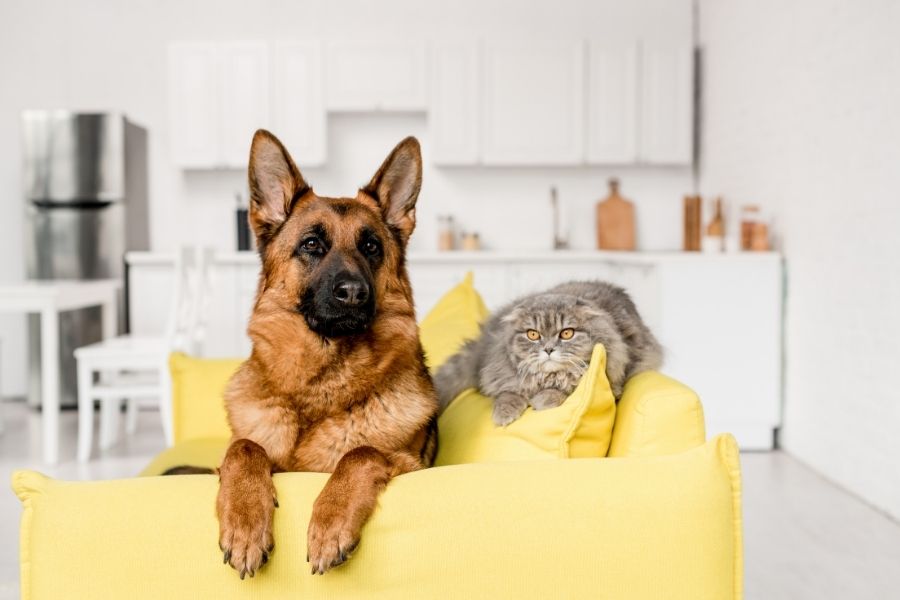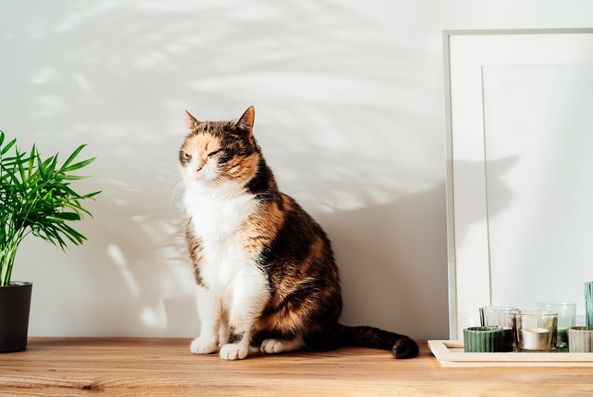


Your dog slept through the afternoon walk. Your cat stopped jumping to the windowsill she used to love. Small changes like these are easy to brush off, but they are often the first signs of aging pets that deserve a closer look. Aging in dogs and cats is gradual. Many changes happen so slowly that pet owners miss them until the condition has progressed. The good news is that with regular monitoring and the right veterinary support, senior pets can live comfortable, healthy lives well into their golden years. This article walks you through what to watch for in older dogs and cats, which symptoms need prompt veterinary attention, and what you can do at home to support your aging companion every step of the way.
Understanding How Pets Age
Dogs and cats age faster than humans, and the rate of aging varies by species and size. Large-breed dogs tend to enter their senior years around age six or seven. Small-breed dogs may not show significant signs of aging until age 9 or 10. Cats are generally considered seniors by age eleven and geriatric by fifteen.
The aging process affects nearly every body system. Joints wear down, organ function slows, immune response weakens, and cognitive ability can decline. An estimated 80% of dogs over age eight show some degree of arthritis, though many owners mistake reduced activity for simple laziness.
In our experience, the pets that receive the best quality of life in their senior years are those whose owners started paying attention early, before major symptoms developed. Understanding the normal aging timeline for your specific pet helps you notice what is actually a change.
Common Signs Your Dog Is Showing Age-Related Changes
Old dog behavior changes are among the first things owners notice, even before physical symptoms appear. Knowing what to look for helps you act before small issues become serious problems.
Watch for these signs in your senior dog:
- Slowing down on walks or reluctance to exercise: Reduced stamina often signals joint pain, heart changes, or muscle loss.
- Stiffness after rest: Dogs with developing arthritis often struggle to stand after lying down, especially in the morning.
- Increased thirst and urination: This pairing can indicate kidney disease, diabetes, or hormonal changes and should never be ignored.
- Changes in sleep patterns: Sleeping more during the day or seeming restless at night may reflect cognitive decline or discomfort.
- Cloudy eyes or reduced vision: Nuclear sclerosis is common in older dogs and causes a bluish haze, though true cataracts also become more frequent with age.
- Weight changes without diet changes: Unexplained weight loss or gain both warrant a veterinary workup.
If you notice several of these old dog behavior changes together, contact your veterinarian promptly. A combination of symptoms is often more telling than any single sign on its own.
What Does a Healthy Senior Cat Look Like?
Senior cat health signs can be subtler than those in dogs, partly because cats are experts at hiding discomfort. Pet owners often tell us their cat seemed “fine until suddenly it wasn’t,” and that is exactly why proactive monitoring matters.
Here is what to watch for in an aging cat:
- Reduced grooming or matted coat: Cats who stop grooming may be too stiff or too unwell to reach certain areas.
- Changes in litterbox habits: Urinating outside the box, straining, or going more frequently can all indicate urinary, kidney, or cognitive issues.
- Loud vocalization at night: Increased yowling, especially in the dark, is a recognized sign of feline cognitive dysfunction.
- Muscle wasting along the spine: Senior cats commonly lose muscle mass on their backs, which can feel like a bony ridge running along the spine.
- Changes in appetite: Eating less, eating more, or becoming finicky about previously loved foods all deserve attention.
These senior cat health signs are easy to miss during a busy week. A quick weekly check, running your hands gently over your cat’s body and observing her daily routine, helps you catch changes early.
When Do Aging Signs Cross Into a Veterinary Concern?
Knowing when to see a vet for age-related issues is one of the most important things a senior pet owner can learn. Not every change requires urgent action, but some symptoms should never wait for a routine appointment.
Schedule prompt veterinary attention if your dog or cat shows:
- Sudden loss of appetite lasting more than 24 hours
- Vomiting or diarrhea that does not resolve within 12 to 24 hours
- Labored or rapid breathing at rest
- Collapse, extreme weakness, or inability to stand
- Pale, white, or blue-tinged gums
- Crying out in pain or obvious distress
- Disorientation or sudden loss of coordination
In South Florida, heat and humidity add an extra layer of risk for senior pets. Older animals are far less efficient at regulating body temperature. A dog or cat that seems “off” during the hot summer months in Tequesta may be experiencing heat-related stress on top of age-related vulnerabilities. Knowing when to see vet appointments promptly, rather than waiting, can make a meaningful difference in outcome.
We frequently remind our clients that the safest rule is this: if something feels wrong to you as a pet owner, trust that instinct and call your vet.
Aging Pet Care Tips to Support Daily Well-being
Managing the signs of aging pets involves more than vet visits. Daily habits at home play a major role in how comfortable and active your senior dog or cat remains.
Here are practical aging pet care tips to put into use today:
- Switch to a senior-formulated diet. Older pets have different nutritional needs. A diet appropriate for your pet’s life stage helps support joint health, kidney function, and a healthy weight.
- Add low-impact activity. Gentle daily walks for dogs and play sessions for cats keep joints mobile and minds engaged.
- Create accessible spaces. Ramps, low-sided litterboxes, and orthopedic beds reduce the strain on aging joints and make daily life easier.
- Monitor weight monthly. A simple home weigh-in once a month helps you catch changes before they become significant.
- Schedule twice-yearly wellness exams. Senior pets age faster than younger animals. A health screening every six months catches problems earlier than an annual visit alone.
One common misconception we see regularly: pet owners assume that slowing down is simply “just old age” and nothing can be done. In reality, many conditions that cause reduced activity, including arthritis, thyroid disease, and dental pain, are highly manageable with the right treatment plan.
These aging pet care tips, combined with consistent veterinary care, give your senior pet the best chance at a high quality of life for years to come. Tequesta Veterinary Clinic offers senior wellness exams designed specifically for aging dogs and cats, with screenings tailored to their life stage.
Conclusion
Watching your pet grow older is one of the most bittersweet parts of pet ownership. The signs of aging pets are not always dramatic. A subtle change in energy, a new bathroom habit, or a shift in appetite can all point to something that deserves attention. Catching these changes early and working with your veterinarian makes a real difference in how comfortable and active your senior pet remains. Tequesta Veterinary Clinic is here to support you and your aging companion every step of the way. Book an appointment today.
Frequently Asked Questions
Q: At what age is a dog considered a senior?
Ans: Most dogs are considered senior between the ages of seven and ten, depending on their size. Large and giant breeds reach their senior years earlier, often around age six or seven, while small breeds may not enter the senior stage until age nine or ten.
Q: What are the first signs of aging in cats?
Ans: Common early signs include reduced grooming, decreased activity, changes in appetite, and altered sleep patterns. Increased nighttime vocalization and muscle loss along the spine are also frequently seen in aging cats.
Q: How often should senior pets see a vet?
Ans: Senior dogs and cats benefit from veterinary wellness exams every six months. Twice-yearly visits allow your vet to catch age-related changes earlier and adjust care before problems progress.
Q: Can arthritis in older dogs be treated?
Ans: Yes. Arthritis is one of the most manageable conditions in senior dogs. Treatment may include prescription medications, joint supplements, weight management, physical therapy, and environmental modifications. Your vet will recommend the best plan based on your dog’s specific needs.
Q: Is it normal for older cats to drink more water?
Ans: Increased water intake in senior cats is common but not something to ignore. It can indicate kidney disease, hyperthyroidism, or diabetes, all of which are conditions that benefit significantly from early detection and treatment.