

Modern Veterinary Surgical Care
Modern veterinary surgery care encompasses cutting-edge techniques and advanced technologies aimed at providing optimal treatment for pets in need. From routine procedures like spaying and neutering to complex surgeries such as orthopedic and soft tissue interventions, our veterinarians and board-certified surgeons utilize state-of-the-art equipment and specialized training to ensure the highest standard of care. With a focus on patient safety and comfort, modern veterinary surgery aims to improve the health and well-being of dogs and cats, while offering pet owners peace of mind.
The Importance of Veterinary Surgery
Veterinary surgery encompasses a wide range of procedures that can be lifesaving or life-enhancing for pets. These operations are performed for various reasons, from diagnosing conditions through biopsies to treating injuries and preventing disease.
- Soft Tissue Surgery
- Spay and Neuter
- C-Section Surgery
- Cystotomy Procedure
- Foreign Body Removal
- Oncology Surgery
- Mass Removal
- Dental extractions
- Aural (ear) hematomas
- Digit amputations if warranted
- Skin biopsies
- Eyelid surgeries
- Temporary tarsorrhaphy
- Enucleation
- Pyotmetra
Preparing for Surgery and Post-Op Care
*As a Fear Free practicing veterinary clinic, we prioritize your pet’s emotional well-being alongside their physical health. This commitment means that we offer pre-surgical pharmaceuticals such as Gabapentin or Trazodone to alleviate stress and discomfort before any surgical procedure. If your pet is given one of these medications, please administer as instructed.
Pre-surgical instructions
- Pre-surgical instructions – We will provide specific instructions to prepare your pet for surgery. This includes fasting the night before (water is fine), as anesthesia is safer on an empty stomach. Make sure to follow these guidelines closely and ask any questions you might have about the medication or the surgical procedure.
- Day of surgery – On the day of surgery, arrive on time and with your pet’s medical records in hand (if applicable). Our veterinary team will walk you through the process and ask for your consent for the procedure. It’s normal to feel anxious, but rest assured that your pet is in capable hands.
Post-Operative Care
- Immediate aftercare – Post-surgery, your pet will need time to recover from the effects of anesthesia. Our veterinary staff will monitor your pet’s vital signs and provide pain management if needed. Once stable, you’ll receive instructions for home care and be able to take your pet home, usually on the same day for routine procedures.
- At-home recovery – Proper at-home care is crucial for a smooth recovery. Create a quiet and comfortable space for your pet to rest, away from other animals or busy areas of the house. Ensure your pet wears an Elizabethan collar (E-collar) if necessary, to prevent licking or biting at stitches.
- Follow-up and suture removal – Follow our instructions regarding wound care, medication, and activity levels. Keep a close eye on the surgical site for signs of infection or unusual swelling. You and your pet may need to return for a follow-up progress visit and possible suture removal.
Signs of Surgical Infection in Cats and Dogs
Infections can manifest in various ways, and pet owners should be vigilant in monitoring their pets post-surgery. Here are some signs to look out for:
Redness and Swelling
While some redness and swelling are normal after surgery, excessive or worsening redness and swelling can indicate an infection. The area around the surgical site should gradually improve, not deteriorate.
Discharge From the Wound
Any pus or unusual discharge from the incision site is a clear sign of infection. The discharge may be green, yellow, or brown and could have an unpleasant odor.
Fever
An elevated body temperature can be a sign of infection. Normal body temperature for cats and dogs ranges from 101 to 102.5 degrees Fahrenheit. Anything above this should be a cause for concern.
Lethargy
If your pet is unusually tired, uninterested in usual activities, or seems generally unwell, it could be a response to an infection. Loss of appetite – A significant decrease in appetite following surgery could be related to an infection, especially if other signs are present.
Pain or Discomfort
If your pet appears to be in more pain than expected after surgery, especially if the pain seems to be increasing rather than decreasing, this could be a sign of an infection.
Protect Your Pet After Surgery
If you suspect that your cat or dog has developed an infection after surgery, it is important to contact us immediately. Please do not wait for the infection to possibly worsen. We are happy to check on your pet and make sure there are no indications of infection.
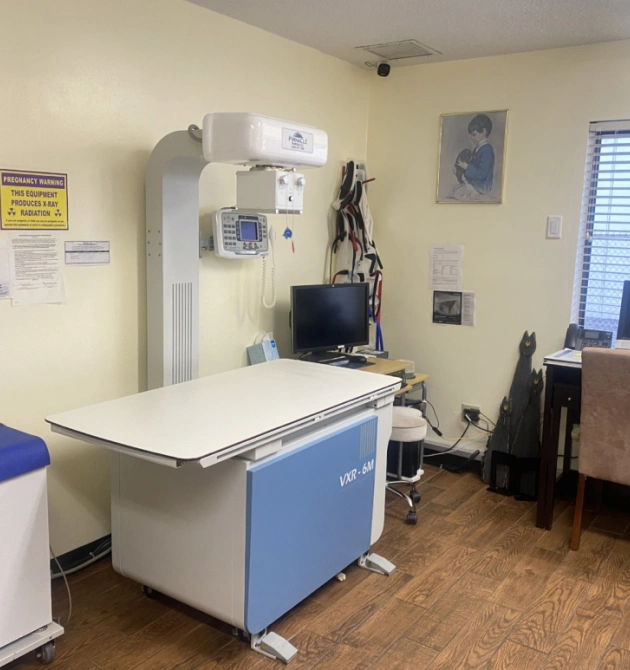
In House Digital Imaging
At our veterinary clinic, we believe in providing comprehensive care for your pets, which extends beyond just the surgical procedure itself. With your permission and if time allows, we offer, (at additional cost), veterinary diagnostics such as X-rays immediately after a surgical procedure while your pet is still under sedation. This approach allows our veterinarians to assess and diagnose any predisposed health issues that may not have been apparent before.
By conducting diagnostics while your pet is sedated, we can thoroughly examine areas of concern such as hip dysplasia, arthritis, or dental issues. Identifying these conditions early on enables us to initiate appropriate treatment plans and interventions promptly, helping to improve your pet’s overall quality of life.
Our commitment to offering these diagnostic services post-surgery reflects our dedication to proactive and preventive veterinary care. We prioritize your pet’s well-being and strive to ensure that they receive the comprehensive medical attention they deserve at every stage of their healthcare journey.