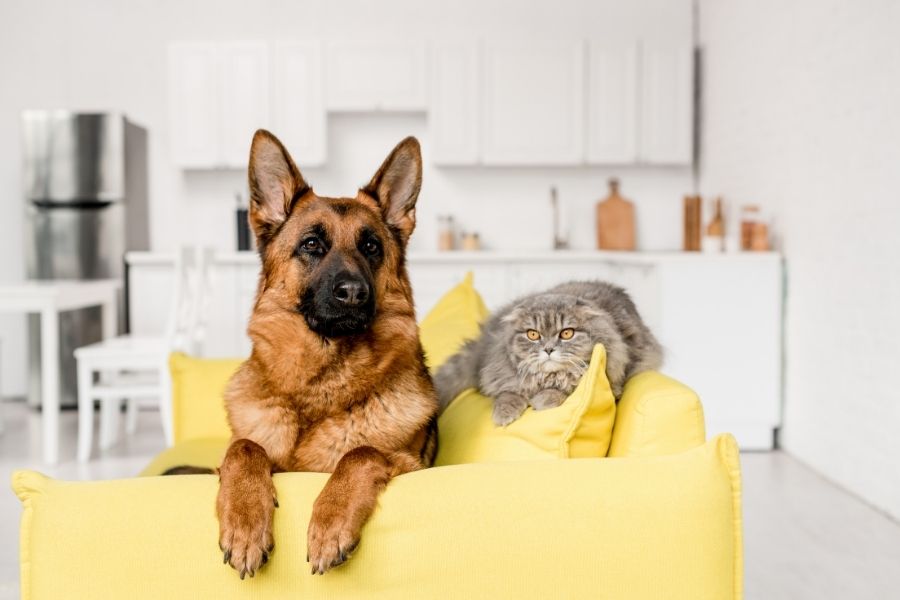


Bringing a new puppy or kitten home is one of the most exciting things a pet owner can do. In Tequesta, FL, we see dozens of new pet families each month, and the first vet visit puppy or kitten appointments are always full of questions. That first checkup sets the foundation for a lifetime of good health. It is also your chance to catch anything early, ask every question you have, and get your pet started on the right vaccines and preventive care. Many new pet owners feel nervous or unsure about what to expect. The good news is that with a little preparation, the visit can be calm, smooth, and even enjoyable for both you and your new companion. This guide walks you through everything you need to know before you walk through the clinic door.
What Happens at a First Vet Visit for a Puppy or Kitten
A first wellness exam is a head-to-tail health evaluation of your new pet. The veterinarian will check your puppy’s or kitten’s eyes, ears, teeth, coat, belly, and limbs. They will listen to the heart and lungs and feel for any abnormalities.
This visit is also when your vet will review your pet’s vaccination history. Many puppies and kittens arrive with partial vaccine records from a breeder or rescue. Your vet will pick up where those left off and create a personalized schedule going forward.
Vaccination schedules vary depending on your pet’s age, health, and lifestyle. Your vet will recommend the right timing based on what is best for your individual animal. The American Veterinary Medical Association recommends starting core vaccines during the first few months of a puppy’s or kitten’s life as a cornerstone of preventive care.
In our experience, the physical exam often reveals something the new owner had not noticed, such as a heart murmur, an ear infection, or early signs of a parasite. Catching these issues at week eight or twelve is far better than discovering them months later.
What to Bring to the Vet for Your First Appointment
Knowing what to bring to vet visits saves time and makes the exam more thorough. Here is exactly what to gather before your appointment:
- Vaccine and medical records. Bring any paperwork from the breeder, rescue, or shelter. Even partial records help.
- A stool sample. Collect a small, fresh sample in a sealed bag or container. Your vet will test it for intestinal parasites, which are common in young animals.
- A list of questions. Write them down ahead of time. Topics like food type, feeding schedule, flea and tick prevention, and spay or neuter timing are great places to start.
- Your pet’s current food. If possible, note the brand and formula. Your vet may have recommendations or want to confirm it is appropriate for your pet’s age.
- A secure carrier or leash. Kittens should arrive in a carrier. Puppies should be on a leash and collar with ID, even if they are not fully vaccinated yet.
Having these items ready shows your vet the full picture of your pet’s start in life. It also makes the visit run smoothly for everyone.
How to Prepare Your Pet for the Vet Before You Leave Home
Preparing a pet for vet visits starts at home, not in the parking lot. The calmer your pet is when they arrive, the easier the exam will be. Here are tips that genuinely help:
For puppies:
- Take a short car ride a few days before the appointment so the car is not unfamiliar.
- Bring a favorite toy or a small treat to reward calm behavior.
- Avoid feeding a large meal right before the visit to reduce the chance of an upset stomach.
- Handle your puppy’s paws, ears, and mouth regularly at home. This makes the vet’s physical exam feel less strange.
For kittens:
- Leave the carrier open in your home for several days before the visit. Line it with a soft blanket that smells like home.
- Cover the carrier with a light towel during the drive. It reduces visual stimulation and keeps your kitten calmer.
- Spray the carrier with a feline calming pheromone product if your kitten tends to be anxious.
Pet owners often tell us that the second and third vet visits go much more smoothly than the first. The preparation you do now pays off every visit after this one.
What to Expect During a New Kitten Vet Checkup
A new kitten vet checkup or puppy wellness exam typically takes 30 to 45 minutes. Here is what the flow usually looks like:
- Check-in and weight recording
- A technician review of your pet’s history and your questions
- The veterinarian’s full physical examination
- Discussion of vaccine recommendations and parasite prevention
- Administering any vaccines due at this visit
- A flea, tick, and heartworm prevention plan
- Spay or neuter timing discussion
- Nutritional guidance and feeding schedule recommendations
- Check out and schedule the next visit
Here in South Florida, we see flea and tick infestations and heartworm exposure year-round because of the warm, humid climate. Your vet will factor that into the prevention plan from day one. Do not wait until there is a problem. Starting prevention early is far easier than treating an active infestation or infection.
Puppy Wellness Exam Tips for a Stress-Free Experience
Following a few puppy wellness exam tips can make the visit better for your pet and for you. These same principles apply to kittens as well.
Arrive a few minutes early. This gives your pet time to sniff around and settle before being called into the exam room. Rushing in at the last second adds stress.
Keep your energy calm. Pets read human body language. If you are tense, your puppy or kitten will pick up on it. Speak in a normal, relaxed voice.
Reward heavily after the visit. A treat, praise, or a short play session right after the appointment creates a positive association with the vet. Over time, this makes a real difference.
A common misconception we hear is that young pets do not need a vet visit if they seem perfectly healthy. In reality, the first exam is not about treating illness. It is about building a health baseline, setting up preventive care, and catching anything before it becomes a problem.
The ASPCA and AAHA both recommend that all puppies and kittens receive a full wellness exam within the first few weeks of coming home, regardless of how healthy they appear.
Conclusion
Getting your new puppy or kitten off to the right start takes a little planning, but it is absolutely worth it. Gather your records, prep a stool sample, calm your pet at home, and come ready with your questions. That first vet visit, puppy or kitten appointment, is the beginning of a long, healthy relationship between your pet and their care team. At Tequesta Veterinary Clinic, we love meeting new patients and helping first-time pet owners feel confident and informed. We are here to guide you through every stage of your pet’s life, starting with day one. Book an appointment today.
Frequently Asked Questions
How old should my puppy or kitten be for their first vet visit?
Ans: Most veterinarians recommend bringing puppies and kittens in for their first exam between 6 and 8 weeks of age. The sooner the better, as early exams allow for timely vaccines, parasite screening, and a health baseline that supports long-term wellness.
Do I need to bring anything from the breeder or shelter?
Ans: Yes. Bring any records you received, including prior vaccines, deworming history, and any health certificates. Even incomplete records help your vet understand where to pick up with your pet’s care.
What if my puppy or kitten is scared at the vet?
Ans: Some nervousness is completely normal. Prepare your pet at home by handling their paws, ears, and mouth regularly. Bring a favorite toy or a treat, keep your own energy calm, and arrive a few minutes early so they can adjust to the new environment.
How often will my puppy or kitten need to visit the vet in the first year?
Ans: Most puppies and kittens need three to four wellness visits during their first year to complete their vaccine series and monitor growth. Your vet will outline the full schedule at your first appointment so you know exactly when to come back.