
Your dog’s mouth tells a story long before symptoms become obvious. Bad breath, yellow buildup on back teeth, and reluctance to chew hard food are all early warning signs that many pet owners miss until the problem is serious. A professional pet dental cleaning is the most effective way to address what brushing at home simply cannot reach: the bacteria living beneath the gumline. One question we hear from concerned owners almost every week: why does my pet have to go under anesthesia just to get their teeth cleaned? This guide answers that question in full, walking you through the process, the safety protocols, and why anesthesia is not optional; it is essential for doing the job right and keeping your pet safe throughout.
What a Professional Dental Cleaning Actually Involves
Most pet owners picture a quick polish when they think of a dental cleaning. The reality goes much deeper.
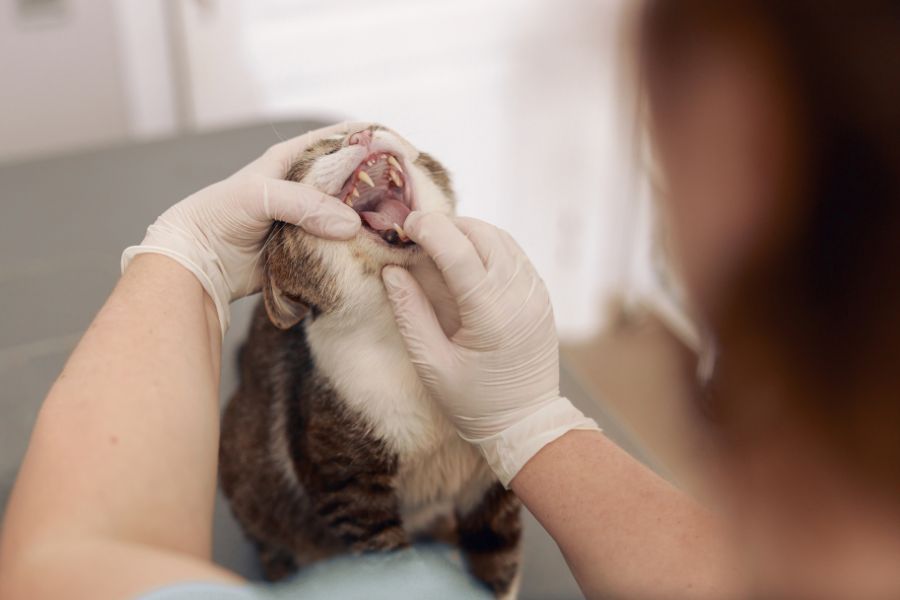
A proper veterinary dental procedure involves probing each tooth individually, measuring pocket depths, taking full-mouth dental X-rays, scaling above and below the gumline, and polishing every surface. This is the same level of thoroughness a human dentist applies, but performed on a patient who does not understand what is happening and cannot hold still.
Dental disease affects an estimated 80% of dogs over age three. Much of that disease hides below the visible gumline, where visual inspection alone cannot reach. Without full access to subgingival surfaces, a cleaning is cosmetic at best and misleading at worst.
The tools used during scaling are sharp, precise instruments. Keeping them safe to use requires a completely motionless patient. There is no workaround for that requirement.
Is Anesthesia Safe for Pet Dental Cleanings?
Yes. When performed with modern protocols and proper pre-anesthetic screening, anesthesia for pet dentals is considered safe for the vast majority of healthy adult pets.
The risk of skipping anesthesia is actually far greater. A pet who moves suddenly during scaling can suffer a laceration to the gum or tongue. Struggling during the procedure causes stress-related cardiovascular strain. And without intubation, there is no protection against inhaling bacteria-laden water and debris into the lungs. Anesthesia eliminates all of these risks simultaneously.
Why Awake Dental Cleanings Are Not Recommended
Non-anesthetic dental cleanings, sometimes marketed as anesthesia-free teeth cleaning, have grown in popularity. They are not supported by veterinary dental standards.
An awake animal will resist the instruments needed to clean below the gumline. That means the procedure is limited to visible surfaces only. Dog dental disease signs rarely appear above the gumline first. The disease starts underneath, in pockets where bacteria destroy the attachment between tooth and bone.
In our experience, pets who have had anesthesia-free cleanings often appear to have clean teeth on the outside while carrying significant hidden disease on the inside. By the time the pain becomes visible in their behavior, the damage is already extensive.
Pet owners often tell us they are surprised to learn that a shiny-looking smile does not mean a healthy mouth. Looks can be deceiving when the real problem is out of sight.
What Happens Before, During, and After the Procedure
Knowing the full process helps reduce anxiety for pet owners. Here is what to expect at a professional veterinary dental visit:
- Pre-anesthetic bloodwork: Run before the procedure to confirm liver and kidney function are able to process anesthetic agents safely.
- IV catheter placement: Provides immediate access for fluids and medications throughout the procedure.
- Induction: A short-acting anesthetic agent brings your pet to a relaxed, unconscious state.
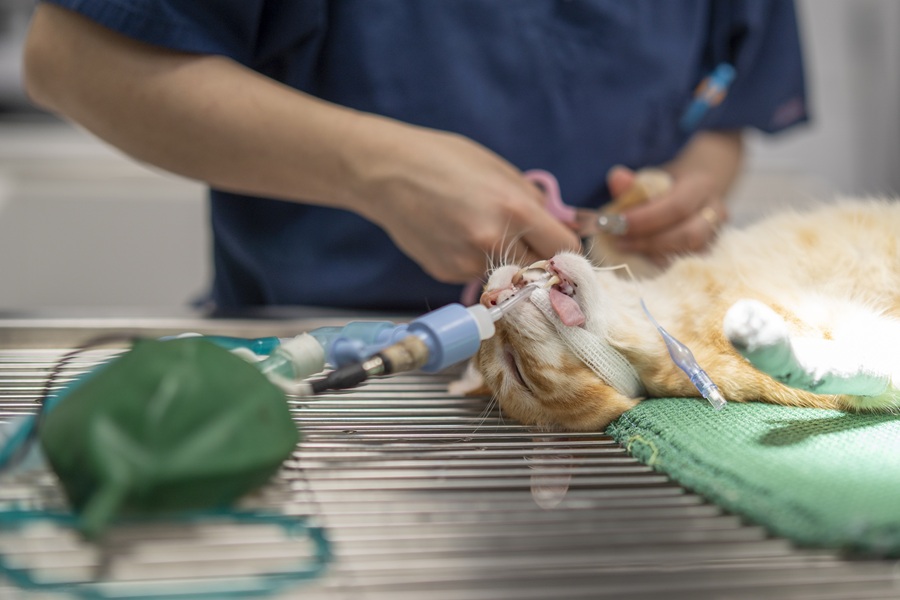
- Intubation: A breathing tube protects the airway and delivers oxygen and gas anesthesia.
- Monitoring: Heart rate, blood pressure, oxygen levels, and temperature are tracked by a trained technician throughout.
- Scaling and probing: Each tooth is cleaned above and below the gumline. Pockets are measured. X-rays are taken.
- Polish and fluoride: The final step smooths the enamel surface to slow future plaque accumulation.
- Recovery: Your pet wakes in a warm, monitored space. Most are alert and ready to go home the same day.
In Tequesta, FL, where warm and humid conditions favor rapid bacterial growth in soft tissue, getting beneath the gumline is especially important for preventing recurring infection between annual cleanings.
Recognizing Dog Dental Disease Signs Before They Worsen
Dental problems rarely announce themselves loudly. Most pets continue eating and behaving normally well into the later stages of disease. Knowing what to look for makes a real difference.
Watch for these dog dental disease signs:
- Persistent bad breath: Not just “dog breath.” A foul, consistent odor signals active bacterial infection below the gumline.
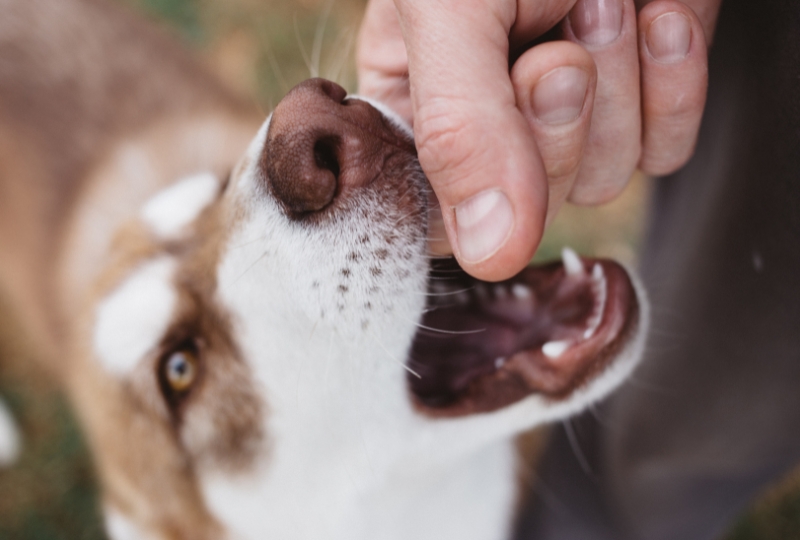
- Yellow or brown buildup near the gumline: Tartar accumulation is the most visible marker of disease already in progress.
- Red or swollen gums: Inflammation is your pet’s body responding to bacterial invasion.
- Pawing at the mouth or face: A subtle sign of oral discomfort many owners attribute to allergies or habit.
- Dropping food or chewing on one side: Often means a tooth is fractured or painful.
If you notice any of these signs, contact your veterinarian promptly. Many of these conditions are fully treatable when caught before bone loss occurs.
Many dogs we see for routine wellness exams in Tequesta are already showing stage two dental disease with no outward behavioral signs. The mouth is one of the most underexamined systems in a pet’s annual health review.
Choosing a Vet Practice That Takes Dental Safety Seriously
Not all dental protocols are created equal. When selecting a practice for your pet’s dental care, ask about the following:
- What pre-anesthetic screening is included?
- Does the practice take full-mouth dental X-rays as standard?
- Is a dedicated technician assigned to monitor anesthesia throughout the procedure?
- What safe pet anesthesia care protocols are used for senior or higher-risk patients?
A practice that welcomes these questions is one that has thought carefully about how to do this right. Ask about individualized anesthetic protocols, because a 3-year-old Labrador and a 12-year-old Chihuahua should not receive identical plans.
At Tequesta Veterinary Clinic, every dental procedure includes pre-anesthetic bloodwork, continuous vital monitoring, and full-mouth digital radiographs as standard. Safe pet anesthesia care is not an add-on. It is built into every step of the process.
Understanding why anesthesia is required changes how pet owners feel about the procedure. It is not a risk taken unnecessarily. It is the only way to do the job safely, completely, and without causing harm. A dog teeth cleaning vet performs under anesthesia, allowing full access to every surface, real-time monitoring, and a stress-free experience for your pet. Skipping anesthesia does not make dental care safer. It makes it incomplete. Your pet deserves a thorough oral exam, accurate imaging, and treatment that actually addresses the source of disease. Reach out to Tequesta Veterinary Clinic to schedule your pet’s dental evaluation. Book an appointment today.
Frequently Asked Questions
Q: Why does my dog need anesthesia for teeth cleaning?
Ans: Anesthesia keeps your dog completely still, which is required for safe use of scaling instruments below the gumline. It also allows intubation to protect the airway from inhaling bacteria and debris during the procedure.
Q: Is anesthesia safe for older dogs getting dental cleanings?
Ans: Yes, with appropriate pre-anesthetic bloodwork and individualized monitoring protocols. Older dogs are not automatically poor anesthesia candidates. Risk is evaluated based on organ function and overall health, not age alone.
Q: What are the signs my dog needs a dental cleaning?
Ans: Bad breath that does not improve, yellow or brown buildup near the gumline, red or swollen gums, and reluctance to chew hard food are the most common signs. Some dogs show no visible signs at all, which is why annual dental exams matter.
Q: What is anesthesia-free dental cleaning, and is it safe for pets?
Ans: Anesthesia-free cleaning removes visible tartar from tooth surfaces without addressing disease below the gumline. Veterinary dental organizations do not recommend it as a substitute for a proper professional cleaning, as it leaves subgingival disease untreated.
Q: How often should my pet have a professional dental cleaning?
Ans: Most dogs and cats benefit from an annual professional dental cleaning. Your veterinarian may recommend more frequent cleanings based on breed, age, diet, and the rate of tartar accumulation your pet shows between visits.