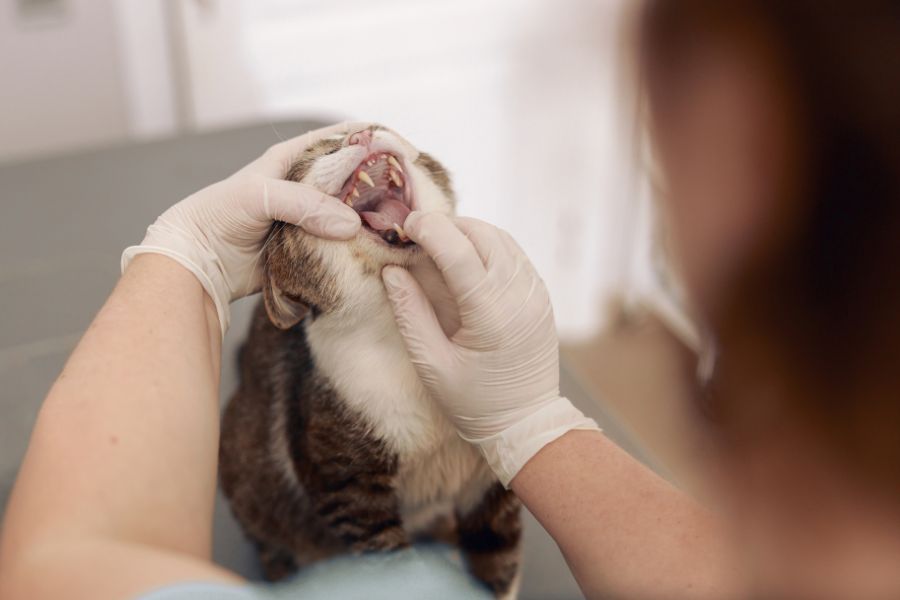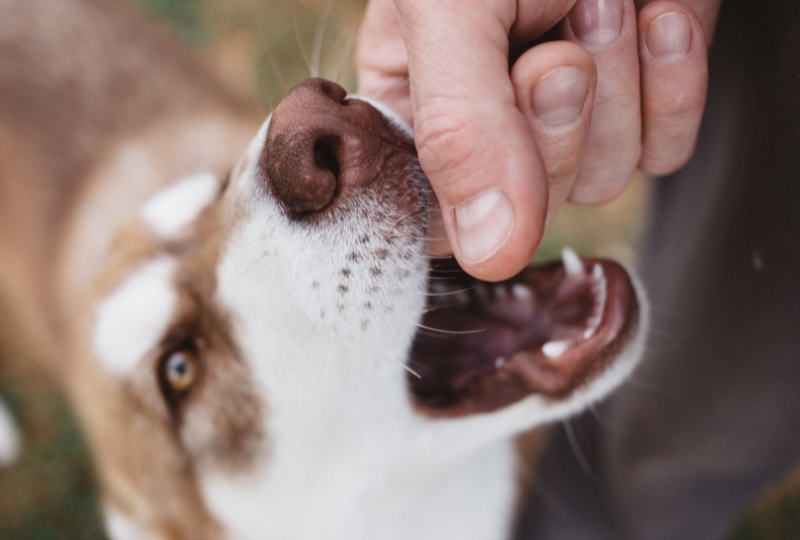

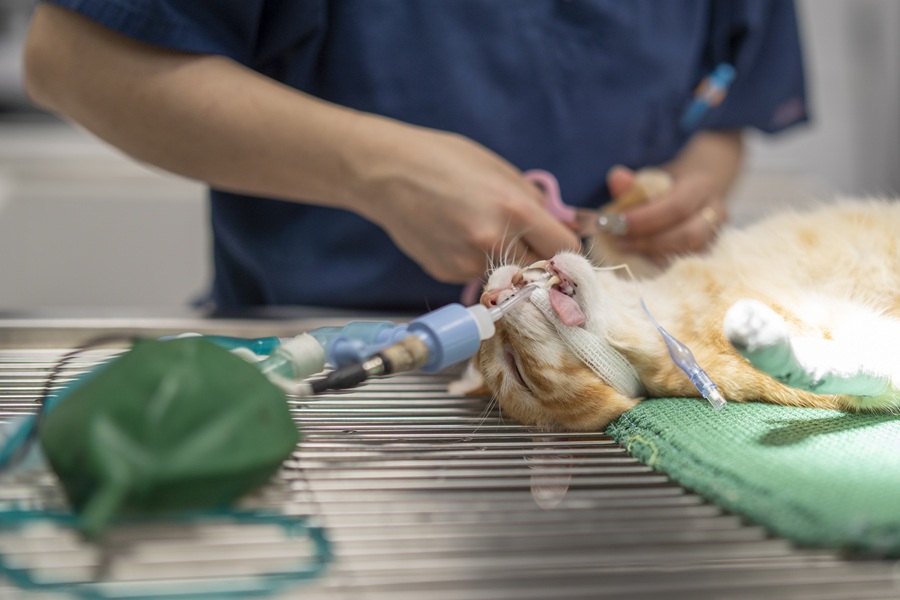
Dental care is just as important for pets as it is for humans, but our furry friends don’t understand what’s happening during a procedure. Anesthesia ensures your pet remains comfortable, still, and pain-free while the veterinarian cleans or treats their teeth. Without anesthesia, it would be impossible to safely remove tartar, polish teeth, or address dental disease.
In pet dentistry, veterinary teams use anesthesia to create a calm, controlled environment, minimizing stress for both pets and owners.
Why Pet Parents Worry About Anesthesia
It’s completely natural for pet parents to worry when anesthesia is mentioned. Concerns about safety often arise from fear of complications or outdated information. However, veterinary medicine has advanced significantly. Today’s anesthetic drugs, monitoring equipment, and trained professionals make the process much safer than most people realize.
When you understand the steps veterinarians take to protect your pet, much of that worry fades away.
Pre-Anesthetic Exams: The Safety Foundation
Before any anesthesia is given, veterinarians perform a thorough exam. This often includes bloodwork to evaluate organ function, ensuring your pet can safely process anesthesia. The vet may also review your pet’s medical history and current medications.
This pre-anesthetic checkup allows the veterinary team to create a tailored anesthesia plan. By identifying potential risks beforehand, the chances of complications are greatly reduced.
Monitoring During the Procedure: Eyes on Every Detail
Once your pet is under anesthesia, the veterinary team closely monitors vital signs such as heart rate, breathing, blood pressure, and oxygen levels. Specialized equipment provides real-time updates, while trained staff keep a constant watch on your pet’s condition.
This level of monitoring is similar to what humans experience in hospitals. In fact, many pet owners are surprised to learn that their pets often receive more personalized monitoring than people do during routine surgeries.
Recovery and Post-Procedure Care
Anesthesia safety doesn’t end when the dental procedure is complete. Afterward, pets are carefully monitored as they wake up. The veterinary team ensures your pet recovers smoothly, checking for any signs of discomfort or delayed reactions.
Most pets bounce back within a few hours, often acting like their usual playful selves by the next day. Your veterinarian will provide at-home care instructions, which may include diet changes or medications to ensure a stress-free recovery.
Why Avoiding Anesthesia-Free Dentistry Matters
Some pet owners are tempted by “anesthesia-free dental cleanings,” believing they are safer. However, these procedures only remove visible tartar above the gumline and ignore disease hidden beneath the surface. Worse, they can be stressful and painful for pets since they remain awake.
Professional dental cleanings under anesthesia are the gold standard in pet dentistry Tequesta because they allow thorough cleaning both above and below the gums while keeping pets safe and pain-free.
Balancing Benefits and Risks
No medical procedure is entirely risk-free, but the benefits of anesthesia for dental care far outweigh the risks when performed by skilled professionals. Untreated dental disease can lead to severe pain, tooth loss, and even infections that spread to the heart, liver, or kidneys.
By trusting experienced veterinarians and modern safety practices, you give your pet the gift of better health and a brighter smile.
FAQs
1. Is anesthesia safe for older pets?
Yes, with proper pre-anesthetic exams and monitoring, older pets can safely undergo anesthesia. Age alone isn’t a reason to avoid dental care.
2. How do veterinarians reduce anesthesia risks?
They perform bloodwork, tailor drug choices, monitor vital signs throughout the procedure, and provide supportive care.
3. How long does it take for pets to recover from anesthesia?
Most pets recover within a few hours, though some may feel sleepy for the rest of the day. By the next morning, most are back to normal.
4. Is anesthesia-free dental cleaning a safe alternative?
No. These procedures don’t address hidden dental disease and may cause stress or pain. Anesthesia ensures a thorough and humane cleaning.
5. Can anesthesia harm my pet’s organs?
Modern drugs and monitoring greatly reduce this risk. Pre-procedure bloodwork helps ensure organs are healthy enough for anesthesia.
6. Why is anesthesia necessary for dental procedures?
It keeps pets still, prevents pain, and allows veterinarians to thoroughly clean teeth both above and below the gumline.
Peace of Mind Through Professional Care
Pet anesthesia may sound intimidating, but when handled by experienced professionals, it’s both safe and essential for effective dental care. From pre-anesthetic exams to attentive monitoring and recovery, every step is designed with your pet’s well-being in mind.
By trusting pet dentistry Tequesta, you ensure your furry friend receives the care they need without unnecessary fear or discomfort. Safe anesthesia means healthier teeth, happier pets, and peace of mind for loving owners.