
Many cats suffer from dental disease in cats without their owners realizing it. Because cats naturally hide pain, serious dental issues can progress quietly until they become severe.
In this guide, we’ll cover 7 silent signs your cat may have dental disease, what causes these problems, and how proper cat dental care can protect your pet’s health and comfort. Recognizing the early cat dental disease symptoms can help you get treatment before the condition worsens.
What Is Dental Disease in Cats?
Dental disease in cats refers to infections and inflammation affecting the teeth, gums, and surrounding tissues. The most common form is periodontal disease, which begins when plaque and bacteria accumulate along the gum line.
Over time, this buildup hardens into tartar and causes:
- Gum inflammation (gingivitis)
- Tooth decay
- Painful infections
- Tooth loss
According to veterinary research, most cats over the age of three show some form of dental disease, making it one of the most common feline health issues.
Because cats rarely show obvious discomfort, pet owners often miss the early signs of cat dental problems.
1. Bad Breath That Doesn’t Go Away
A persistent foul odor from your cat’s mouth is often one of the earliest signs of cat dental disease.
While mild breath odor can be normal, strong or rotten-smelling breath may indicate:
- Bacterial infections in the gums
- Tooth decay
- Food trapped between teeth
- Advanced periodontal disease
Many owners overlook this symptom because cats typically don’t have minty fresh breath. However, severe bad breath almost always signals a dental problem.
2. Difficulty Eating or Dropping Food
Cats with painful teeth often change the way they eat.
You might notice your cat:
- Chewing only on one side of the mouth
- Dropping food from their mouth
- Eating more slowly than usual
- Walking away from food after trying to eat
These subtle behaviors are common cat dental disease symptoms because chewing becomes painful when gums or teeth are inflamed.
Some cats may even stop eating dry food entirely and prefer softer meals.
3. Excessive Drooling
Cats normally produce very little drool. When you notice increased saliva, it may indicate oral discomfort.
Signs include:
- Wet fur around the mouth
- Drool spots on bedding
- Stringy saliva
In severe cases, drool may even contain small traces of blood, which signals gum infection or advanced dental disease in cats.
4. Pawing at the Mouth or Face
When cats experience dental pain, they sometimes try to relieve it by touching the painful area.
Common behaviors include:
- Pawing at the mouth
- Rubbing the face against furniture
- Scratching near the cheeks or jaw
These actions may seem harmless, but they are often overlooked as signs of cat dental problems that indicate irritation or pain inside the mouth.
5. Red, Swollen, or Bleeding Gums
Healthy cat gums should appear light pink and firm. Any changes in color or swelling may indicate gum disease.
Watch for:
- Bright red gum lines
- Swelling around teeth
- Bleeding during eating
- Sensitivity when the mouth is touched
These symptoms are classic indicators of gingivitis, the early stage of dental disease.
If left untreated, gingivitis can progress into periodontitis, which damages the tissues supporting the teeth.
6. Weight Loss or Reduced Appetite
Dental pain can make eating uncomfortable, which may gradually lead to reduced food intake.
Cats with severe dental disease may:
- Eat smaller portions
- Skip meals
- Lose weight over time
Because these changes often happen slowly, they can go unnoticed for weeks or months.
If your cat’s appetite suddenly changes, it is important to rule out dental disease in cats as a potential cause.
7. Behavioral Changes or Irritability
Cats experiencing chronic pain may show subtle personality changes.
You might notice your cat becoming:
- Less playful
- More withdrawn
- Irritable when touched near the head
- Unwilling to be picked up
Painful oral infections can affect your cat’s overall mood and activity level. These behavioral shifts are sometimes among the most overlooked cat dental disease symptoms.
What Causes Dental Disease in Cats?
Several factors contribute to dental disease in cats, including:
Plaque and Tartar Buildup
Food particles and bacteria accumulate on the teeth, forming plaque that hardens into tartar.
Poor Dental Hygiene
Cats that never receive dental care are more likely to develop gum disease.
Diet
Certain diets may contribute to plaque accumulation if they do not help clean the teeth.
Age
Older cats are more prone to periodontal disease due to long-term plaque buildup.
Genetics
Some cats naturally have weaker enamel or crowded teeth that trap bacteria.
Understanding these causes helps pet owners prevent many cat dental problems signs before they start.
Why Dental Disease Should Never Be Ignored
Dental disease is not just a mouth problem. Bacteria from infected gums can enter the bloodstream and affect other organs.
Untreated dental disease in cats may lead to:
- Heart disease
- Kidney problems
- Chronic pain
- Severe infections
- Tooth loss
Early diagnosis and treatment are essential to protect your cat’s overall health.
How to Protect Your Cat with Proper Dental Care
Preventive cat dental care is the best way to avoid painful oral disease.
Veterinarians recommend several simple strategies.
Regular Dental Checkups
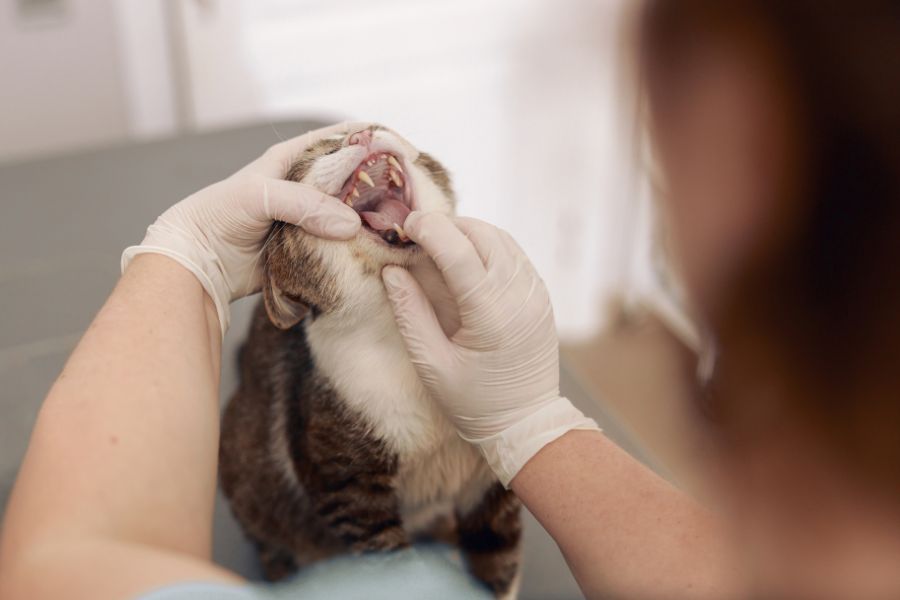
Professional oral exams help detect cat dental disease symptoms early.
Professional Dental Cleanings
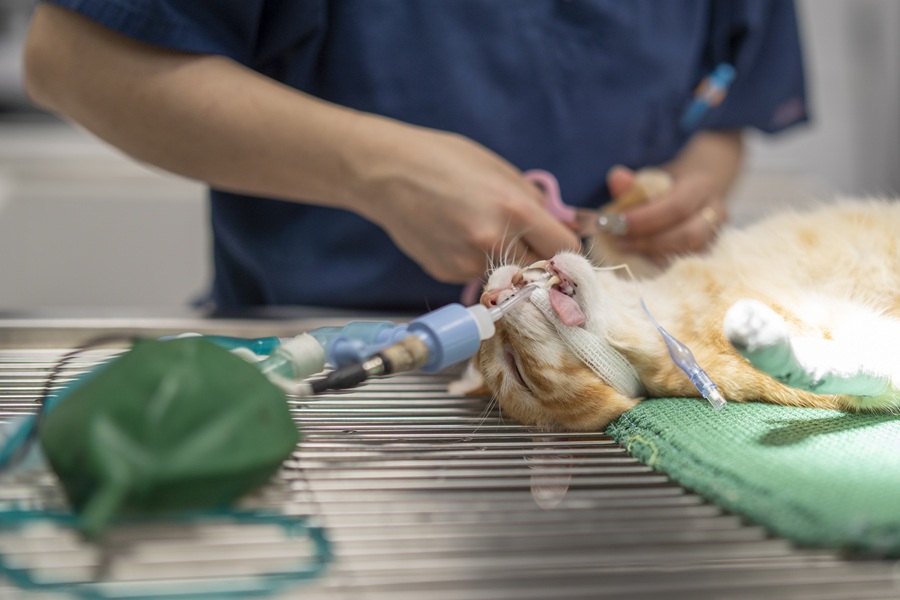
Veterinary dental cleanings remove plaque and tartar safely under anesthesia.
At-Home Dental Care
Simple habits can help protect your cat’s teeth:
- Brushing your cat’s teeth with pet-safe toothpaste
- Using dental treats approved by veterinarians
- Offering dental-friendly diets
- Monitoring your cat’s mouth regularly
Even small efforts can significantly reduce the risk of signs of cat dental disease.
When to Visit the Vet
You should schedule a veterinary appointment if your cat shows:
- Persistent bad breath
- Difficulty eating
- Drooling or bleeding gums
- Facial swelling
- Changes in appetite or behavior
Early treatment can prevent serious complications and relieve pain quickly.
Conclusion
Dental disease is extremely common in cats, yet many symptoms remain hidden until the condition becomes severe. Watching for subtle cat dental problems signs like bad breath, drooling, appetite changes, and gum inflammation can help you detect problems early.
Routine exams and preventive cat dental care play a crucial role in protecting your cat’s health and comfort. If you suspect your cat may have dental issues, schedule a professional dental exam at Tequesta Veterinary Clinic to ensure your pet receives the care they need.
FAQs
Q1: What are the first signs of dental disease in cats?
Ans: Early cat dental disease symptoms often include bad breath, red gums, and difficulty chewing food.
Q2: How common is dental disease in cats?
Ans: Dental disease in cats is very common. Most cats over the age of three develop some form of gum disease.
Q3: Can dental disease in cats cause serious health problems?
Ans: Yes. Untreated dental infections can spread bacteria through the bloodstream and affect organs such as the heart and kidneys.
Q4: How can I prevent dental disease in my cat?
Ans: Regular vet checkups, professional dental cleanings, tooth brushing, and dental treats are effective ways to support proper cat dental care.
Q5: When should a cat get its first dental exam?
Ans: Veterinarians typically recommend dental exams during annual wellness visits, starting when cats are young, to prevent early signs of cat dental disease.