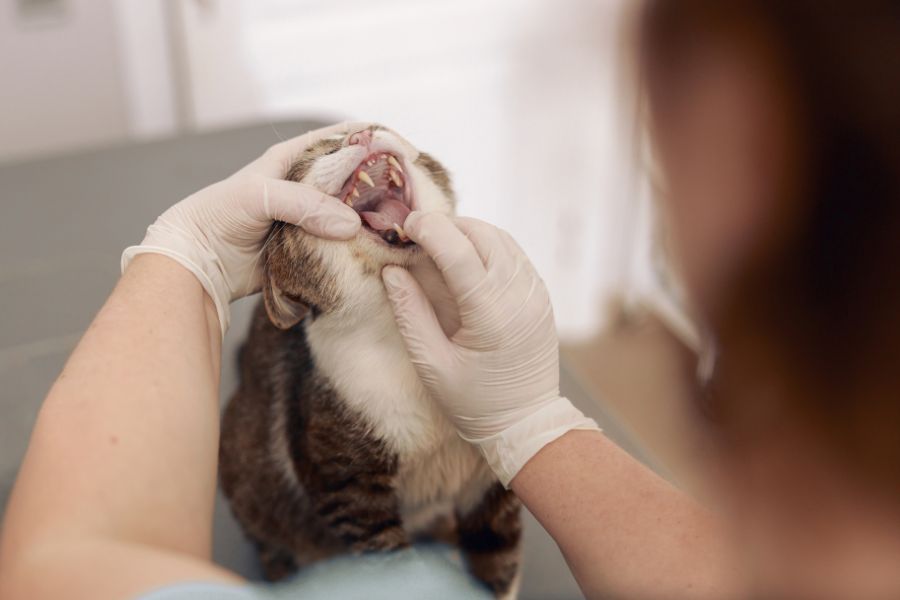

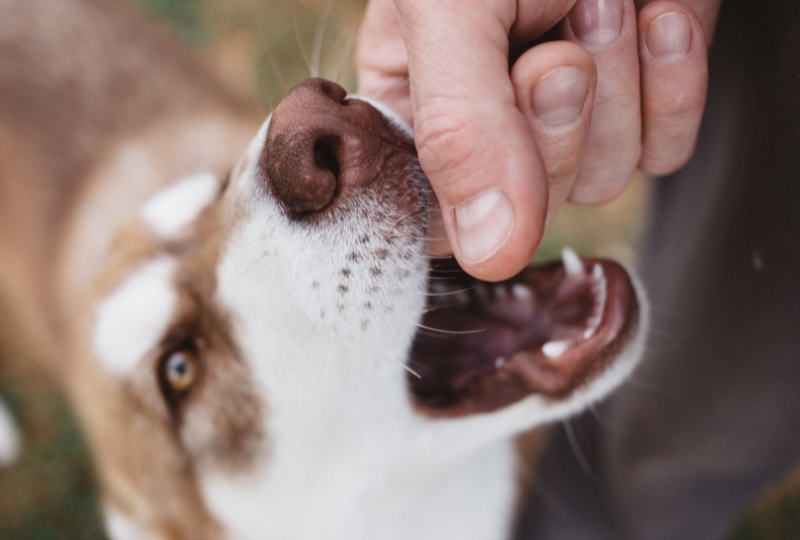
Everyone knows that pets sometimes have a bit of “doggy breath,” but persistent bad breath, also called halitosis, should never be brushed off. In fact, it can be a sign of deeper health issues brewing beneath your pet’s adorable face. More than just an unpleasant nuisance, bad breath often signals oral infections, systemic diseases, or organ dysfunction. Whether you have a playful pup or a curious kitty, understanding the reasons for bad breath can help you catch problems early and protect your furry friend’s health.
Fortunately, trusted providers like pet dentistry offer specialized care that can uncover hidden dangers and set your pet on the path to fresh breath and wellness.
Beyond the Smell: The Hidden Health Problems Behind Bad Breath
While it’s easy to think bad breath simply stems from forgotten brushing or a questionable treat, in pets it often points to one or more serious health concerns:
- Dental Disease: By far the leading cause of halitosis, dental disease affects up to 80% of dogs and cats by age three. Plaque and tartar buildup cause gum inflammation, infection, and pain, fueling that foul odor.
- Oral Infections and Abscesses: Harmful bacteria trapped under the gumline and in tooth roots can cause deep infections that threaten your pet’s comfort and health.
- Kidney and Liver Disease: Impaired filtration functions of kidneys or the liver allow toxins to build up in the blood. This leads to distinct bad odors and can accompany other signs like vomiting or lethargy.
- Diabetes: Uncontrolled diabetes may produce sweet or fruity-smelling breath due to ketones accumulating in the body.
- Digestive Disorders: Problems with digestion can cause unpleasant breath, linked to gut health.
When bad breath appears, it’s more than a minor issue—it’s a signal to act.
How Pet Dentistry in Tequesta Helps Detect and Fight Bad Breath Causes
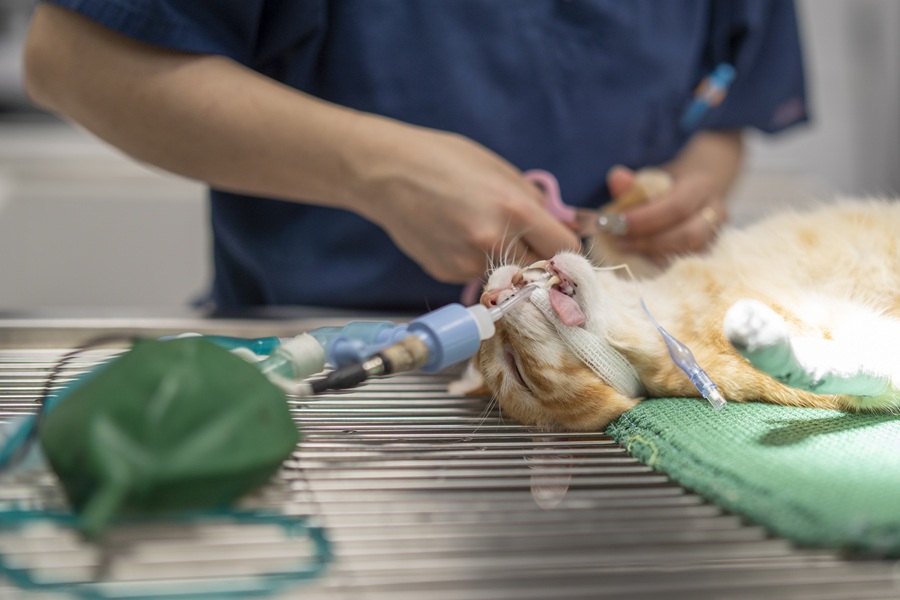
Professional dental care is the frontline defense against bad breath and systemic disease. At pet dentistry veterinary dentists perform thorough oral exams under anesthesia, including digital X-rays, to:
- Spot plaque, tartar, and early gum disease
- Identify loose or fractured teeth
- Detect infections invisible to the naked eye
- Assess overall oral health linked to general vitality
They safely remove tartar and infected tissue, which immediately reduces bacteria responsible for bad breath. Furthermore, they create customized plans including home care recommendations—to keep your pet’s mouth healthy long term.
Starting Your Pet’s Journey to Fresh Breath: Simple Steps You Can Take
You don’t have to wait until the smell is overpowering to start dental care. Here’s how you can help your pet today:
- Book a dental exam with a specialized pet dentistry clinic. Early evaluation helps catch issues before they worsen.
- Brush your pet’s teeth regularly using pet-safe toothpaste and tools. Start slow, rewarding progress to build positive habits.
- Use dental chews and treats approved for oral health. They can reduce plaque and freshen breath.
- Feed a balanced diet that supports dental hygiene.
- Watch for signs like drooling, difficulty eating, or swelling around the mouth.
- Schedule follow-up cleanings and exams based on your vet’s advice.
Starting these practices reduces health risks and strengthens your bond.
Why Ignoring Bad Breath Can Lead to Serious Complications
When left untreated, oral bacteria don’t just stay in the mouth—they can enter the bloodstream, causing damage throughout the body. This can lead to:
- Heart Disease: Bacteria from infected gums can inflame heart valves.
- Kidney and Liver Damage: Chronic infections burden these organs.
- Reduced Quality of Life: Painful teeth cause eating difficulties and behavioral changes.
Ignoring those telltale signs of bad breath puts your pet at risk. Timely intervention from experts in pet dentistry Tequesta is the key to prevention and healing.
FAQs: Everything You Want to Know About Bad Breath and Your Pet’s Health
Q1. Can bad breath really mean my pet has kidney or liver problems?
Ans. Yes, toxins from malfunctioning kidneys or liver often cause distinctive bad breath and other symptoms. Always consult your vet if you notice sudden breath changes.
Q2. How often should my pet get dental checkups?
Ans. Annual dental exams are recommended, although some pets may need more frequent visits depending on their risk factors.
Q3. Is professional dental cleaning safe for my pet?
Ans. Modern veterinary dental procedures include anesthesia safety measures and monitoring to minimize risks.
Q4. What home care can I do to improve my pet’s breath?
Ans. Regular brushing with pet toothpaste, dental chews, and a healthy diet help maintain oral hygiene.
Q5. My pet resists tooth brushing. What should I do?
Ans. Start slowly by letting your pet get used to the taste of toothpaste and use rewards. Ask your vet for recommended techniques.
Q6. Can bad breath signal diabetes in pets?
Ans. Yes. Sweet or fruity breath in pets can be a sign of uncontrolled diabetes and needs veterinary evaluation immediately.