
Senior pet wellness care focuses on maintaining your aging pet’s mobility, cognition, and overall health through early detection and regular exams. As pets grow older, conditions like arthritis, cognitive decline, and weight gain can affect their quality of life. Twice-yearly checkups for senior pets are essential for monitoring these changes, preventing disease, and adjusting care plans. At Tequesta Veterinary Clinic, we provide compassionate, personalized senior wellness programs that help your furry companion stay comfortable and active in their golden years.
Understanding Senior Pet Wellness Care
As pets age, their bodies and minds undergo significant changes. Senior pet wellness care ensures they receive ongoing medical attention to maintain their health and comfort.
Most veterinarians classify dogs and cats as “senior” when they reach around 7 years old. However, larger breeds may age faster, while smaller pets often live longer.
Regular wellness exams help detect early signs of disease — such as kidney problems, arthritis, or cognitive decline — before they cause major issues.
Why Senior Pets Need Specialized Care
Just like humans, pets’ metabolism, energy levels, and immune systems change with age. This means:
- They’re more prone to chronic conditions.
- Healing takes longer.
- Nutritional and exercise needs shift.
- Early intervention becomes crucial.
A proactive pet wellness care plan focuses on prevention, detection, and comfort.
The Importance of Twice-Yearly Checkups for Senior Pets
Senior pets age faster than younger animals — roughly equivalent to several human years each year. That’s why twice-yearly checkups for senior pets are recommended.
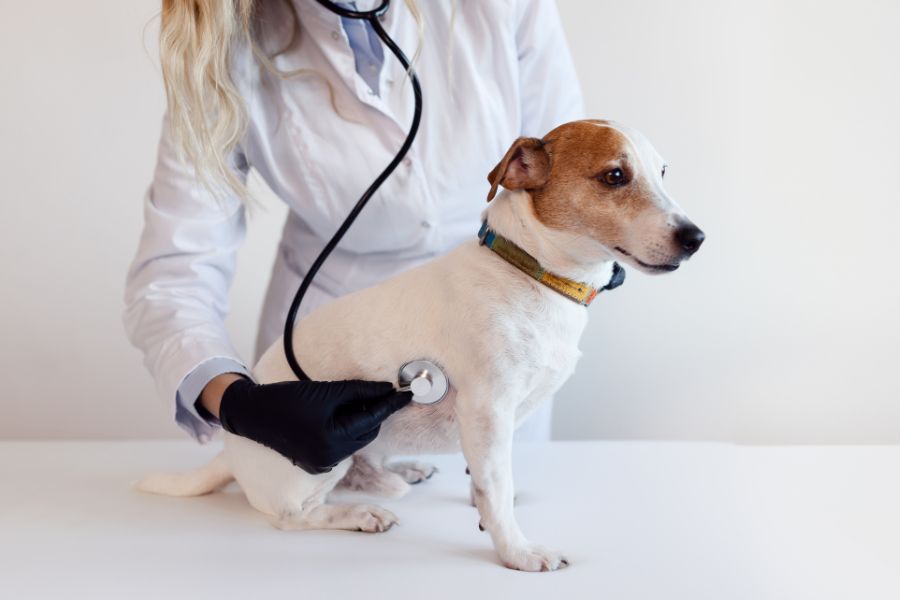
What Happens During a Senior Wellness Checkup
A comprehensive wellness visit typically includes:
- Physical Examination: Checking eyes, teeth, coat, joints, heart, and lungs.
- Bloodwork & Urinalysis: Detecting early kidney, liver, or thyroid issues.
- Weight & Nutrition Review: Adjusting diet for optimal health.
- Mobility Assessment: Identifying arthritis or pain.
- Cognitive Evaluation: Monitoring behavior, memory, and awareness.
Early diagnosis helps vets customize treatment plans to prevent serious complications and extend lifespan.
Mobility: Keeping Senior Pets Active and Pain-Free
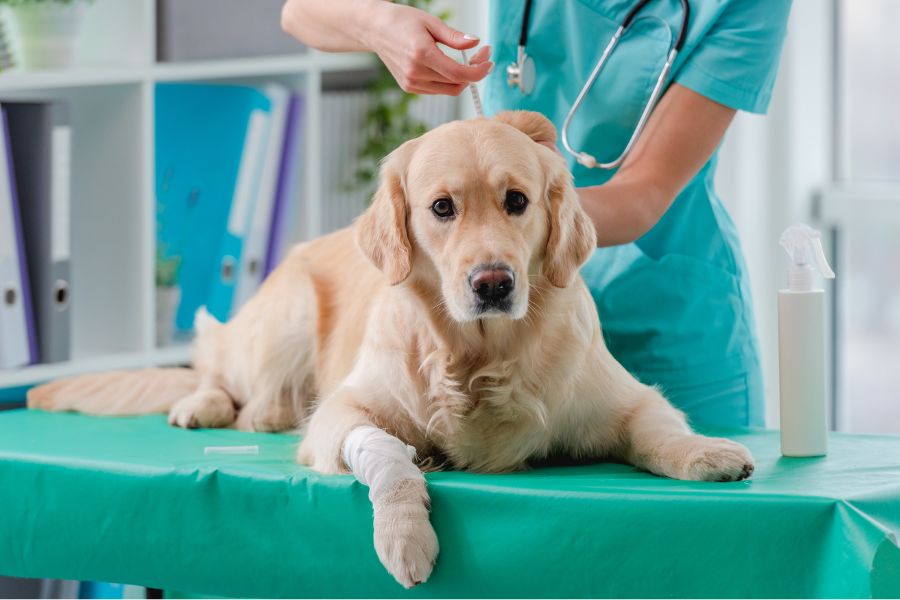
Mobility problems are common in aging pets. Joint stiffness, arthritis, and muscle loss can make movement difficult and painful.
Common Signs of Mobility Decline
- Hesitating to jump or climb stairs
- Limping or stiffness after rest
- Difficulty standing
- Less enthusiasm for walks or play
How to Support Mobility at Home
- Regular, gentle exercise: Short walks or swimming maintain flexibility.
- Joint supplements: Omega-3s and glucosamine promote cartilage health.
- Comfortable bedding: Orthopedic beds reduce joint pressure.
- Physical therapy: Laser therapy and massage can relieve pain.
Cognition: Maintaining Mental Sharpness in Senior Pets
Cognitive decline in pets, known as Cognitive Dysfunction Syndrome (CDS), is similar to dementia in humans. It affects memory, learning, and awareness.
Symptoms of Cognitive Changes
- Disorientation or confusion
- Changes in sleep cycles
- Forgetting house training
- Reduced interaction
- Anxiety or pacing
How to Help
- Keep routines consistent.
- Use mental stimulation — puzzles, training, and play.
- Provide a calm environment.
- Ask your vet about supplements that support brain health.
During checkups for senior pets, vets evaluate cognitive health and recommend lifestyle or dietary adjustments that keep the mind active.
Nutrition and Weight Management
Metabolism slows with age, meaning older pets burn fewer calories. Obesity increases the risk of heart disease, arthritis, and diabetes.
Nutritional Tips
- Feed senior-specific diets with balanced nutrients.
- Monitor portion sizes carefully.
- Ensure adequate hydration.
- Add fiber to support digestion.
Regular wellness visits allow your vet to adjust your pet’s diet to maintain a healthy weight and energy level.
Dental Health in Senior Pets
Dental issues are one of the most overlooked aspects of senior pet wellness care. Untreated gum disease can lead to pain, infection, and even heart or kidney problems.
Warning Signs
- Bad breath
- Drooling
- Difficulty eating
- Loose or missing teeth
Routine dental exams and cleanings during senior checkups prevent oral diseases and maintain overall health.
Preventive Screenings: Catching Problems Early
Preventive screenings can identify diseases long before visible symptoms appear.
Common Senior Pet Tests Include:
- Blood chemistry panels for organ health
- Urinalysis to detect infection or kidney issues
- X-rays for arthritis or tumors
- Thyroid testing for metabolism issues
- Blood pressure monitoring to detect hypertension
The Emotional Side of Senior Pet Care
Caring for a senior pet can be emotional. They’ve been part of your family for years, and seeing them slow down can be difficult.
It’s important to focus on quality of life — ensuring comfort, connection, and dignity.
Creating a Senior Wellness Plan
An effective senior pet wellness care plan should include:
- Biannual checkups
- Custom diet and exercise plan
- Mobility support
- Mental stimulation
- Preventive screenings
- Pain management when needed
By working closely with your veterinarian, you can adapt your pet’s routine to meet changing needs.
Senior wellness care is about more than treating illness — it’s about preserving vitality, comfort, and companionship. With regular checkups for senior pets, attention to mobility and cognition, and preventive screenings, your pet can thrive in their later years.
If you are conveniently located in Tequesta and searching for the best pet wellness care near me, Tequesta Veterinary Clinic is the right choice for compassionate, advanced, and reliable care.
FAQs
Q1: How often should senior pets visit the vet?
Ans: Senior pets should have wellness checkups twice a year to detect early signs of illness and adjust care plans for optimal health and comfort.
Q2: What are the most common health issues in senior pets?
Ans: Arthritis, dental disease, kidney problems, and cognitive decline are common. Regular exams help manage these conditions effectively.
Q3: How can I improve my senior pet’s mobility?
Ans: Gentle exercise, joint supplements, comfortable bedding, and physical therapy can improve mobility and reduce pain in older pets.
Q4: What are signs my pet may have cognitive decline?
Ans: Disorientation, sleep changes, and decreased interaction are signs. Vets can recommend therapies and nutrition to support mental health.
Q5: Why is dental care important for senior pets?
Ans: Dental disease can lead to infections and systemic illness. Regular cleanings and exams are key to maintaining oral and overall health.