
Many pet owners believe vet visits are only necessary when a pet is clearly sick, but routine checkups often uncover hidden health problems long before symptoms appear. These early findings can make a major difference in your pet’s quality of life and long-term health. In this article, we’ll explore 7 hidden health problems vets commonly find during routine checkups and why regular wellness exams are especially important for pets.
Why Routine Vet Checkups Matter More Than You Think
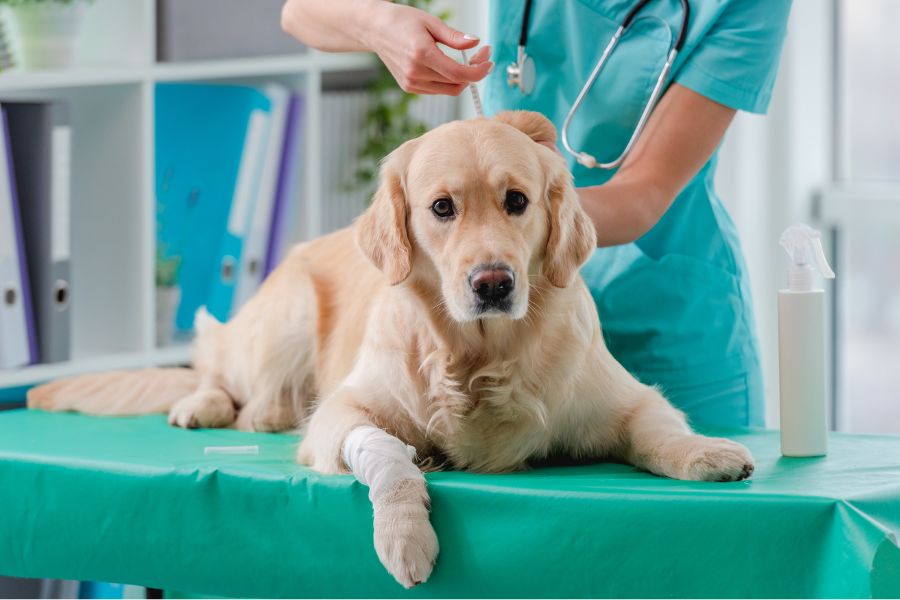
Routine veterinary checkups are preventive by design. Pets are experts at hiding pain and discomfort, which means many health issues progress silently until they become serious and costly.
During a standard wellness exam, veterinarians evaluate:
- Weight and body condition
- Teeth and gums
- Heart and lungs
- Skin, ears, and eyes
- Joints and mobility
- Internal health through bloodwork and lab tests
These exams often reveal problems that owners never notice at home, especially in early stages.
1. Dental Disease
Dental problems are one of the most common hidden health issues vets find during routine checkups. Many pets continue eating normally even with painful dental conditions.
What vets often find:
- Tartar buildup below the gumline
- Gum inflammation or infection
- Loose or fractured teeth
Why it matters:
Untreated dental disease can lead to tooth loss, chronic pain, and bacteria entering the bloodstream, affecting the heart, liver, and kidneys.
Early signs owners often miss:
- Mild bad breath
- Red gums
- Subtle changes in chewing habits
2. Early Kidney or Liver Disease
Blood and urine tests performed during routine checkups frequently uncover early kidney or liver changes before outward symptoms appear.
Why are these conditions often hidden:
- Pets compensate well until significant damage occurs
- Symptoms like increased thirst or lethargy may seem minor at first
Benefits of early detection:
- Dietary changes can slow disease progression
- Medications may prevent further organ damage
- Better long-term prognosis
For senior pets, especially, routine lab work can be lifesaving.
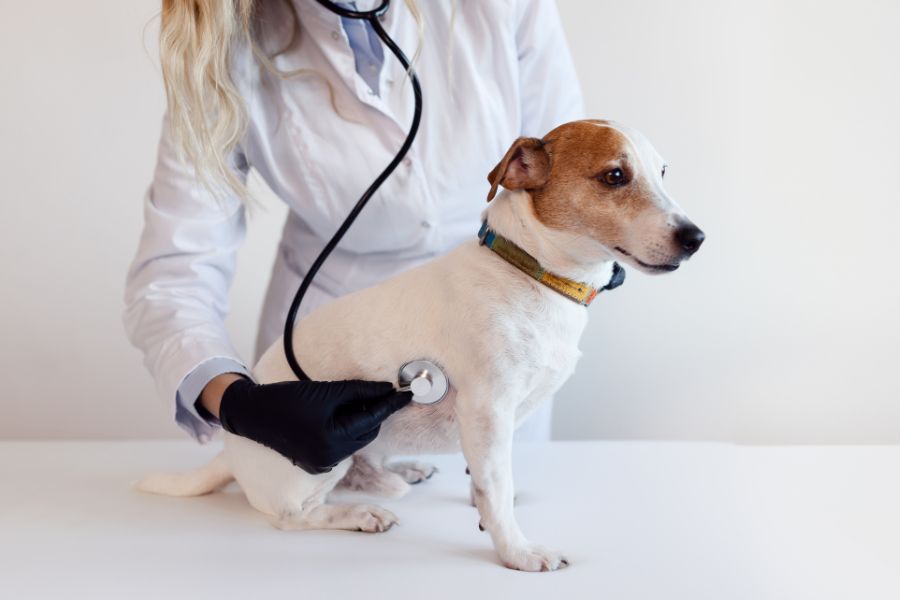
3. Heart Murmurs and Early Heart Disease
A simple stethoscope exam can reveal subtle heart murmurs or irregular rhythms.
What vets listen for:
- Abnormal heart sounds
- Changes in heart rate or rhythm
Why early detection matters:
Heart disease often progresses silently. When caught early, vets can:
- Monitor changes over time
- Recommend lifestyle adjustments
- Start medications if needed
Without routine checkups, heart disease may only be discovered during an emergency.
4. Arthritis and Joint Problems
Many pet owners assume slowing down is a normal part of aging, but vets often find early arthritis during routine exams, even in younger pets.
Common findings include:
- Joint stiffness
- Reduced range of motion
- Subtle pain responses
Signs owners may overlook:
- Hesitation to jump or climb stairs
- Sleeping more than usual
- Changes in posture
Early intervention with weight management, supplements, and pain control can significantly improve mobility and comfort.
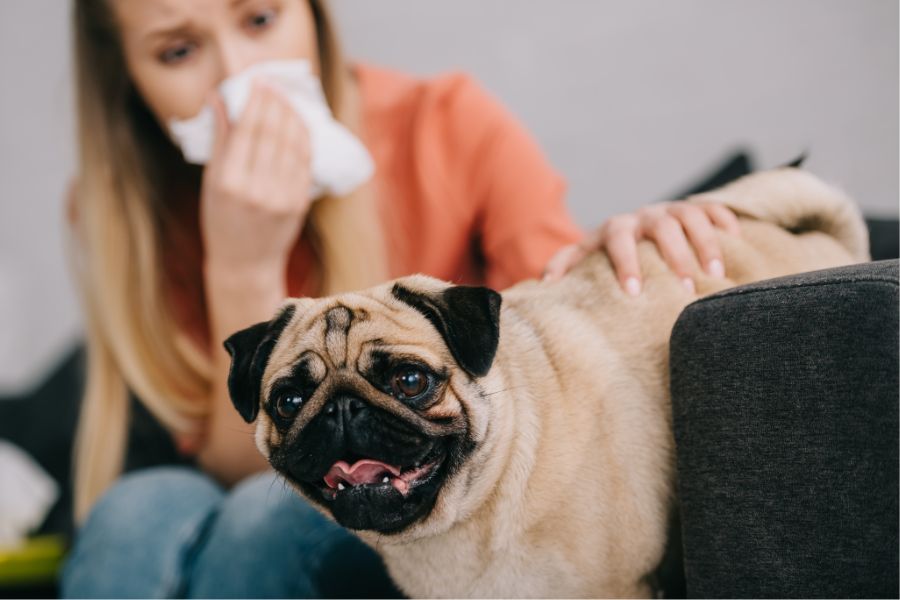
5. Hidden Skin Conditions and Allergies
Skin problems aren’t always obvious. During routine checkups, vets may detect issues beneath the fur or in areas owners rarely examine.
Hidden problems include:
- Early infections
- Parasites like fleas or mites
- Environmental or food allergies
In warm, humid areas, pets are more prone to skin infections and allergies due to year-round heat and moisture.
Why early treatment helps:
- Prevents chronic itching and discomfort
- Reduces the risk of secondary infections
- Improves overall skin and coat health
6. Weight-Related Health Risks
Gradual weight gain often goes unnoticed at home, but vets track body condition carefully during routine checkups.
Why extra weight is a hidden danger:
- Increases risk of diabetes
- Worsens arthritis and joint pain
- Strains the heart and lungs
Even a few extra pounds can significantly impact a pet’s health. Early conversations about nutrition and activity can prevent serious complications later.
7. Early Signs of Cancer or Abnormal Growths
Routine physical exams often uncover small lumps, bumps, or changes that owners haven’t noticed.
What vets check:
- Lymph nodes
- Skin masses
- Internal abnormalities through diagnostics
Why early detection is critical:
- Many growths are benign but need monitoring
- Some cancers are highly treatable when caught early
- Early removal often means less invasive treatment
Finding abnormalities early gives pet owners more options and better outcomes.
How Often Should Pets Have Routine Checkups?
General guidelines include:
- Puppies and kittens: Every 3–4 weeks initially
- Adult pets: At least once per year
- Senior pets: Every 6 months
What Happens During a Routine Veterinary Checkup?
A routine visit typically includes:
- Full nose-to-tail physical exam
- Weight and body condition assessment
- Dental and oral evaluation
- Heart and lung auscultation
- Skin and coat check
- Discussion of diet, behavior, and lifestyle
- Preventive care recommendations
These appointments provide a complete snapshot of your pet’s health, and help identify concerns before they become emergencies.
Conclusion
Routine veterinary checkups are one of the most effective ways to protect your pet’s long-term health. From dental disease and heart issues to hidden organ problems, vets often uncover serious conditions before symptoms ever appear. Regular wellness exams help ensure your pet stays healthy, active, and comfortable throughout every life stage.
If you’re a pet owner in Tequesta, FL, scheduling routine wellness visits with Tequesta Veterinary Clinic can help catch hidden health problems early and give your pet the best chance at a long, healthy life. Book an appointment and stay proactive about your pet’s care.
FAQs
Q1: What hidden health problems are most commonly found during routine vet checkups?
Dental disease, early kidney or liver issues, heart murmurs, arthritis, and weight-related conditions are among the most common findings.
Q2: Can routine checkups really detect problems before symptoms show?
Yes. Many conditions progress silently, and routine exams plus lab tests often reveal issues months or years early.
Q3: How often should senior pets see the vet?
Most senior pets benefit from checkups every six months to monitor age-related changes more closely.
Q4: Are routine vet visits necessary if my pet seems healthy?
Absolutely. Pets often hide pain, and many serious health problems show no obvious signs at first.
Q5: Does Florida’s climate affect my pet’s health risks?
Yes. Warm, humid conditions increase the risk of skin infections, parasites, and allergies, making routine checkups even more important.