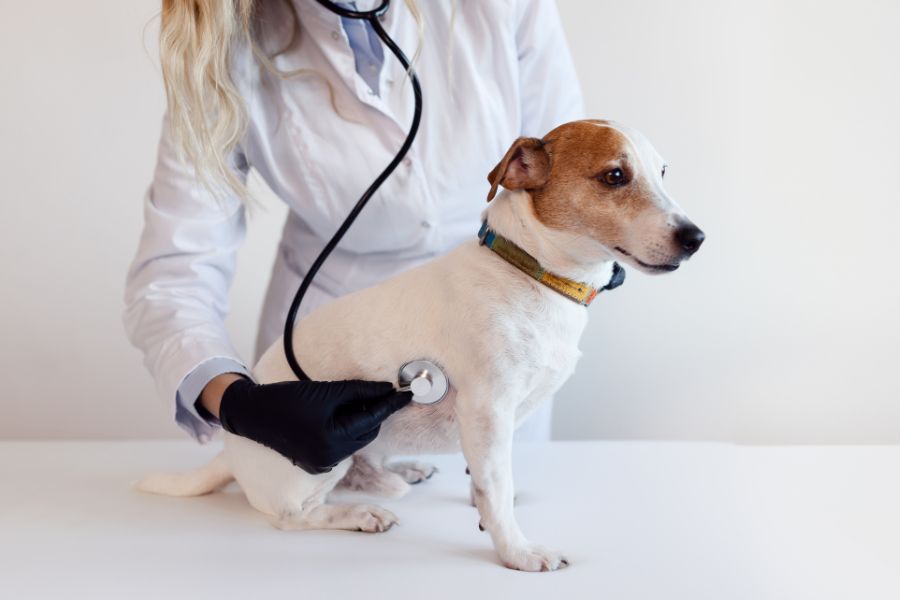

Staying proactive about your dog’s health isn’t just good practice—it’s essential for their long, happy life. Dogs can’t tell us when something’s wrong, which is why wellness exams play such a vital role. These regular checkups offer a chance to detect early signs of illness, track your dog’s development, and keep vaccinations up to date. But how often should your dog actually visit the vet for a wellness exam? Let’s dig in.
The Puppy Phase: Health Checks for a Strong Start
Puppies grow quickly, and their early months are packed with change. Because of this, they require more frequent wellness visits.
Most vets recommend bringing your puppy in every 3 to 4 weeks until they’re about 16 weeks old. These visits include essential vaccinations, parasite screenings, and guidance on diet and training. Consistent exams help your veterinarian monitor your puppy’s development and establish a strong health foundation for the future.
In addition, these visits offer valuable face-time for your pup with the vet, helping to reduce fear and anxiety during future appointments.
Adult Dogs: Routine Checkups for Ongoing Health
Once your dog enters adulthood—typically around 1 to 7 years of age depending on the breed—annual wellness exams are typically sufficient if your pet is healthy.
During this stage, your vet will:
- Perform a nose-to-tail physical exam
- Check weight and nutrition status
- Run bloodwork and other diagnostics if needed
- Review behavioral changes and preventive care
Even if your dog seems perfectly healthy, subtle issues can go unnoticed. That’s why sticking to a regular annual schedule can make a big difference.
Want to learn more about the importance of consistent vet visits and diagnostics?
👉 Why Regular Checkups with Diagnostics Save Pet’s Life
Senior Dogs: The Twice-a-Year Rule
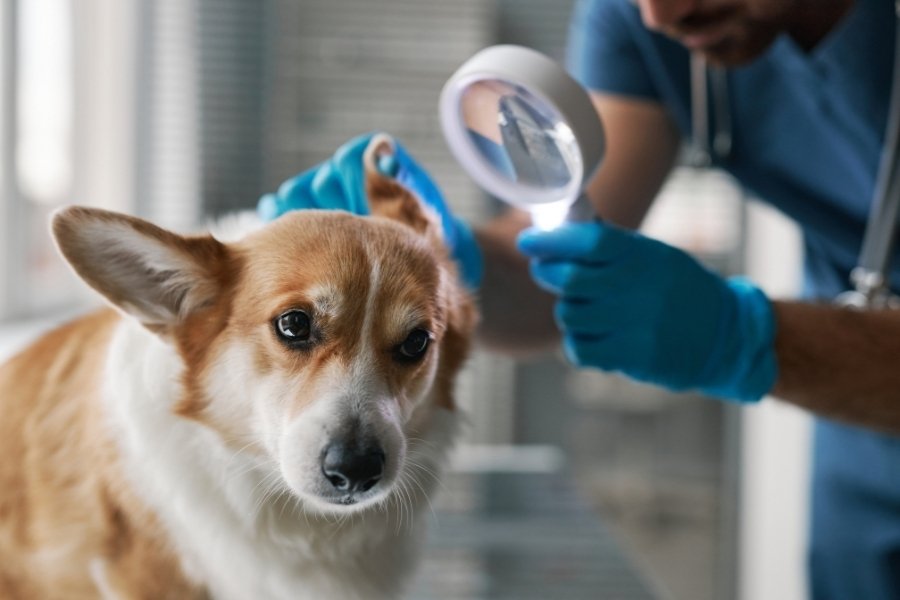
As dogs age, their health can change rapidly. Breeds like Great Danes and Mastiffs age faster, while smaller dogs may not show signs of aging until later. Generally, a dog is considered a senior around age 7.
Veterinarians often recommend wellness exams every 6 months for senior dogs. These visits help:
- Monitor chronic conditions such as arthritis or diabetes
- Adjust medications as needed
- Perform senior-specific diagnostic tests
- Track mobility, cognition, and heart health
Early detection is key when it comes to managing age-related conditions, and more frequent exams improve your dog’s quality of life as they grow older.
What Happens During a Wellness Exam?
You might wonder what makes a wellness visit different from an emergency appointment. Here’s what’s usually included in a wellness exam:
- Physical exam of the ears, eyes, mouth, heart, lungs, and joints
- Weight check and dietary recommendations
- Vaccination updates
- Parasite control (fleas, ticks, heartworms)
- Blood tests to check organ function
- Dental health evaluation
The goal is prevention. By catching problems before symptoms develop, you can avoid costly treatments later—and extend your pet’s lifespan.
Why Frequency Matters: Prevention is Protection
Waiting until your dog shows signs of illness can lead to complicated treatment plans and emotional stress. But regular checkups give you an upper hand.
For example, early signs of kidney or liver disease are often invisible but detectable through routine lab work. Likewise, issues like weight gain, anxiety, or allergies are much easier to manage when caught early.
Pet Wellness Services in Tequesta, FL, make it easier for pet parents to stay on track with tailored wellness programs, timely diagnostics, and lifestyle-based care recommendations.
Tailored Wellness Plans for Every Life Stage
There’s no one-size-fits-all rule, especially if your dog has pre-existing health conditions or a unique breed profile. In such cases, your vet may recommend custom wellness schedules and advanced screenings.
Veterinarians offering Pet Wellness Services in Tequesta, FL understand the nuances of breed-specific health risks, climate-related parasites, and local lifestyle influences, ensuring your dog gets the best care at every life stage.
Frequently Asked Questions
1. Can I skip a wellness exam if my dog is acting fine?
Not recommended. Dogs often hide signs of discomfort or illness. Wellness exams detect silent issues before they escalate.
2. Are vaccinations part of every wellness exam?
Vaccines are usually updated during wellness visits based on your dog’s age, lifestyle, and medical history.
3. Is bloodwork necessary at every visit?
For senior dogs, yes. For younger dogs, routine bloodwork may be done annually or as needed, depending on findings during the physical exam.
4. How long does a wellness exam take?
Most exams take between 30 minutes to an hour, depending on the tests performed and questions you may have.
5. What if my dog hates going to the vet?
Many clinics now offer fear-free handling techniques and stress-minimizing strategies. Talk to your vet about anxiety solutions.
6. How much does a dog wellness exam cost?
Prices vary, but preventive care usually costs less than treating illnesses that could have been avoided with early detection.
In Summary: Regular Vet Visits Are an Act of Love
A consistent wellness schedule is one of the most powerful things you can do for your dog’s health. Whether it’s catching disease early, maintaining a healthy weight, or updating vaccines—every visit matters.
If you’re local, consider scheduling your next appointment with trusted Pet Wellness Services. These tailored checkups ensure your dog receives age-appropriate care all year round.