

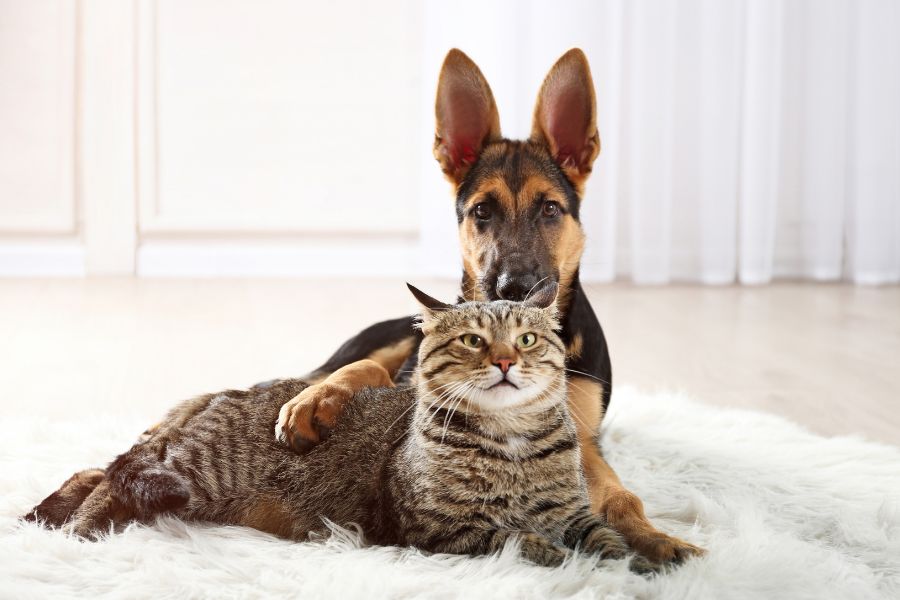
Your dog has been limping for weeks. Your cat stopped jumping onto the couch. You’ve tried medications, but something feels incomplete. Many pet owners are turning to a therapy that has been used in human medicine for thousands of years: veterinary acupuncture for pets. It may sound unconventional, but this treatment is now a well-recognized option backed by veterinary science. It is used to manage pain, support recovery, and improve quality of life in animals of all sizes. This article explains what acupuncture is, how it works in animals, what conditions it can help treat, and what to expect during your pet’s first session. If you have ever wondered whether acupuncture could help your pet, this guide gives you the answers you need.
What Is Veterinary Acupuncture and Which Animals Can Benefit?
Veterinary acupuncture involves inserting very thin, sterile needles into specific points on the body. These points, called acupoints, correspond to areas where nerves, blood vessels, and connective tissue converge. Stimulating these points triggers a physiological response that can reduce pain, improve circulation, and support the body’s own healing process.
This therapy is not limited to dogs and cats. It is used in horses, rabbits, birds, and even exotic animals in some cases. That said, dogs and cats make up the majority of acupuncture patients in companion animal practice.
Acupuncture is most commonly used as part of an integrative treatment plan. It is not a replacement for conventional veterinary care. It works alongside diagnostics, medications, and surgery to give pets a more complete path to comfort and recovery.
How Does Acupuncture Work in Animals?
Veterinary acupuncture works by activating the nervous system at targeted acupoints, triggering the release of natural pain-relieving compounds, including endorphins, serotonin, and anti-inflammatory substances.
When a needle is inserted at an acupoint, the body responds by increasing local blood flow and reducing inflammatory signaling. This response can quiet overactive pain pathways, relax tight muscles, and stimulate tissue repair. The effects are measurable and are the reason veterinary acupuncture has earned growing recognition in evidence-based medicine.
In dogs, research has shown that acupuncture can reduce pain associated with osteoarthritis, intervertebral disc disease, and post-surgical recovery. In cats, it has been used successfully to manage chronic pain and improve mobility in older animals. Pet owners often tell us they notice changes in their pet’s movement and energy within one to three sessions.
Conditions That Respond Well to Pet Acupuncture Benefits
Pet acupuncture benefits are most clearly documented in musculoskeletal and neurological conditions, though the range of applications continues to grow.
Conditions commonly treated with acupuncture in pets:
- Osteoarthritis and joint pain: Especially common in older dogs. Needle stimulation reduces joint inflammation and improves range of motion.
- Intervertebral disc disease (IVDD): Dogs with spinal disc problems often experience reduced pain and improved nerve function with regular sessions.
- Hip dysplasia: Acupuncture is used to manage chronic discomfort in breeds prone to this condition.
- Muscle soreness and spasms: Sporting dogs, working dogs, and highly active pets benefit from targeted muscle release.
- Neurological conditions: Acupuncture supports nerve regeneration after injury or surgery, helping pets regain coordination and strength.
- Chronic gastrointestinal issues: Nausea, poor appetite, and motility problems respond in some patients.
- Cancer-related discomfort: Used as palliative care to improve comfort and quality of life alongside oncology treatment.
If your pet has been diagnosed with any of these conditions, ask your veterinarian whether acupuncture is an appropriate addition to the treatment plan.
How Does Acupuncture for Cat Pain and Dog Pain Actually Feel?
One of the most common questions we get from pet owners is whether acupuncture hurts. The short answer is no, not for most animals.
The needles used in veterinary acupuncture are much thinner than hypodermic needles. Many pets do not react at all during insertion. Some animals become visibly relaxed during the session and may even fall asleep. This is actually a well-recognized response called “needle sensation,” which reflects the nervous system engaging with the treatment.
How acupuncture for cat pain differs from dogs mostly comes down to temperament. Cats can be more reactive to handling in general, so experienced veterinary acupuncturists take extra care to ensure the cat is calm before and during the session. Cats that are severely stressed may not be good candidates for acupuncture, and your vet will make that assessment.
In our experience, the animals that are most anxious before the first session tend to become the most relaxed by session two or three. The body learns to associate the needles with relief.
What to Expect During an Animal Acupuncture Treatment Session
Understanding the process helps reduce any anxiety you or your pet might feel before that first appointment.
A typical animal acupuncture treatment session looks like this:
- Intake and assessment: The veterinarian reviews your pet’s history, current symptoms, and any imaging or diagnostic results. This guides needle placement.
- Positioning: Your pet is gently positioned in a comfortable way, usually lying down or sitting. An assistant may help keep them calm.
- Needle placement: Sterile, single-use needles are placed at specific acupoints. The number of needles varies by condition, typically 8 to 20 points per session.
- Rest period: The needles remain in place for 10 to 30 minutes. Most animals settle during this time.
- Needle removal: Needles are carefully removed. Your vet will note the pet’s response for use in planning the next session.
- Aftercare instructions: Your vet may recommend rest for 24 hours after treatment. Mild fatigue is normal and often a sign the body is responding.
Most treatment plans begin with weekly sessions for 4 to 6 weeks, followed by monthly maintenance once improvement is established. Results vary, but many pets show noticeable improvement within the first three to four sessions. In Tequesta, FL and across South Florida, the warm climate means older pets with arthritis are often candidates for this therapy year-round, since cold-weather flare-ups are less of a trigger but humidity and activity levels still affect joint health.
Is Your Pet a Good Candidate for Acupuncture?
Not every pet will benefit from acupuncture, and not every condition is a match for this therapy. A thorough veterinary exam is the starting point for any integrative treatment discussion.
Good candidates tend to be pets with chronic pain conditions that have not responded fully to medications alone, older animals who cannot tolerate high doses of NSAIDs, pets recovering from orthopedic surgery, or animals with neurological deficits following disc injury. Acupuncture is also worth exploring for pets whose owners prefer to minimize long-term pharmaceutical use.
Pets that are not suitable candidates include animals with active infections at needle sites, certain bleeding disorders, or very aggressive animals that cannot be handled safely without sedation. Your veterinarian will advise honestly on whether the therapy is appropriate.
Tequesta Veterinary Clinic integrates acupuncture as part of a broader commitment to whole-patient care, combining conventional diagnostics and treatments with evidence-supported complementary therapies to give pets the best possible outcomes.
Conclusion
Veterinary acupuncture for pets is a scientifically grounded therapy that can make a real difference in the comfort and mobility of animals dealing with pain, inflammation, and neurological challenges. It is safe, well-tolerated by most animals, and works best as part of a complete treatment plan developed by a licensed veterinarian. Whether your pet is managing arthritis, recovering from surgery, or dealing with a chronic condition, acupuncture may be the missing piece in their care. Talk to your vet about whether it is right for your animal. At Tequesta Veterinary Clinic, our team is ready to help you explore every option for your pet’s health and quality of life. Book an appointment today.
Frequently Asked Questions
Q: What is veterinary acupuncture used for in pets?
Ans: Veterinary acupuncture is used to manage pain, reduce inflammation, and support recovery in pets with conditions such as arthritis, intervertebral disc disease, hip dysplasia, muscle soreness, and neurological problems. It is also used as supportive care for pets undergoing cancer treatment.
Q: Does acupuncture hurt dogs or cats?
Ans: Most dogs and cats tolerate acupuncture very well. The needles are extremely thin and most animals show little to no reaction during insertion. Many pets actually relax or fall asleep during the session, which is a normal response to the treatment.
Q: How many acupuncture sessions does a pet need?
Ans: Most treatment plans start with weekly sessions for 4 to 6 weeks. Once improvement is established, pets typically move to monthly maintenance sessions. The total number of sessions depends on the condition being treated and how the individual pet responds.
Q: Can acupuncture replace my pet’s medications?
Ans: Acupuncture is a complementary therapy, not a replacement for veterinary medications or diagnostics. It works alongside conventional treatment to improve outcomes. Your veterinarian will help you determine the right combination of treatments for your pet’s specific needs.
Q: Is veterinary acupuncture safe for older pets?
Ans: Yes, acupuncture is generally very safe for older pets and is often recommended for senior animals who cannot tolerate high doses of pain medications. It is a low-risk option for managing chronic age-related conditions like arthritis and joint stiffness.