
Bringing home a new kitten is exciting, but litter box training is often one of the first concerns for new pet parents. The good news is that most kittens naturally learn to use a litter box with the right setup and gentle guidance. In this guide, we’ll walk you through how to train your kitten to use a litter box, common mistakes to avoid, and when to seek help so your kitten develops healthy habits from day one.
Why Litter Box Training Is Important for Kittens
Litter box training isn’t just about keeping your home clean; it’s essential for your kitten’s comfort, hygiene, and long-term behavior. When kittens learn proper litter habits early, they are far less likely to develop inappropriate elimination issues as adults.
Proper training also helps you:
- Monitor your kitten’s health through urine and stool habits
- Reduce stress for both you and your pet
- Create a predictable routine your kitten can rely on
Most kittens have an instinct to dig and bury waste, which makes litter training easier than many new owners expect.
When Should You Start Litter Box Training a Kitten?
You can begin litter box training as early as 3–4 weeks of age. By this time, kittens start moving around independently and can learn simple routines. If you’re adopting a kitten from a shelter or breeder, they may already have some litter experience, but consistency at home is still key. The faster you start, the faster your kitten will adapt.
Choosing the Right Litter Box for Your Kitten
Selecting the right litter box plays a major role in successful training.
Size and Design Matter
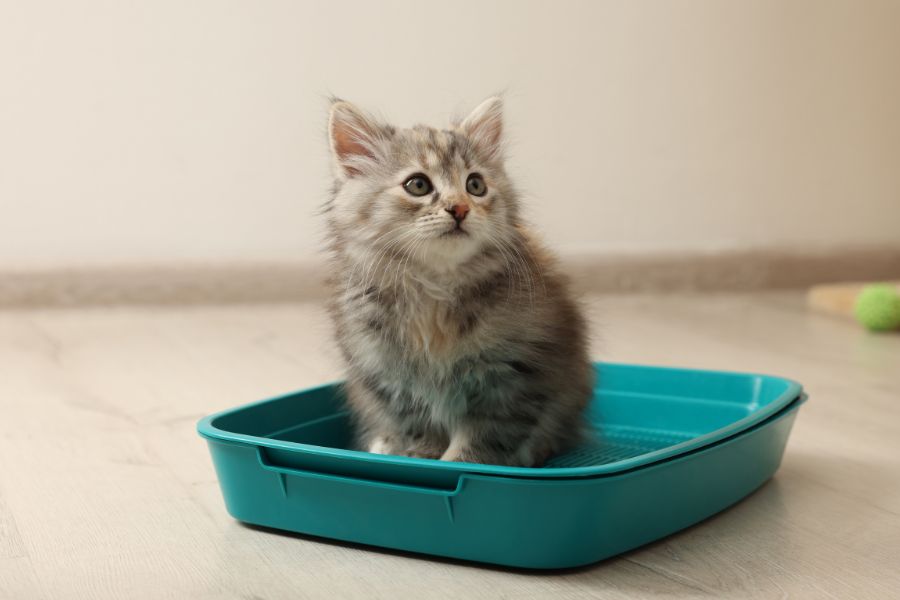
- Choose a box with low sides so your kitten can easily climb in and out
- Avoid covered litter boxes at first; they can feel scary or restrictive
- Ensure the box is large enough for the kitten to turn around comfortably
As your kitten grows, you may need to upgrade to a larger box.
Best Type of Litter for Kittens
Not all litter is kitten-friendly. Some types can irritate sensitive paws or even be dangerous if ingested.
Recommended options include:
- Unscented, fine-grain clumping litter
- Paper-based or natural litter designed for kittens
Avoid strongly scented litter, crystal litter, or anything labeled as not safe for kittens. A soft texture feels more natural and encourages regular use.
Where to Place the Litter Box
Location is just as important as the box itself.
Place the litter box:
- In a quiet, low-traffic area
- Away from food and water bowls
- In a spot your kitten can access easily at all times
Some homes with open layouts or patios ensure the box isn’t near loud appliances or outdoor noise that could startle your kitten.
Step-by-Step Guide to Litter Box Training Your Kitten
Step 1 – Introduce the Litter Box
As soon as your kitten arrives home, gently place them in the litter box. Let them sniff and explore. Do not force them to stay inside—this can create fear.
Step 2 – Use Timing to Your Advantage
Place your kitten in the litter box:
- After meals
- After naps
- After playtime
These are the most common times kittens need to go.
Step 3 – Encourage, Don’t Punish
If your kitten uses the litter box correctly, offer calm praise or gentle petting. Avoid punishment for accidents—this can lead to fear and avoidance.
Step 4 – Keep the Box Clean
Scoop waste at least once daily. Kittens are very sensitive to smell and may avoid a dirty box. Replace litter regularly and wash the box with mild soap weekly.
Common Litter Box Training Mistakes to Avoid
Even well-meaning owners can slow progress by making these common mistakes:
- Changing litter types too often
- Using scented litter
- Moving the box frequently
- Yelling or scolding after accidents
- Not having enough boxes
Consistency builds confidence and speeds up training.
What to Do If Your Kitten Has Accidents
Accidents are normal, especially during the first few weeks.
If your kitten eliminates outside the box:
- Clean the area thoroughly with an enzyme cleaner
- Place the kitten gently in the litter box afterward
- Observe if accidents happen in the same location
Repeated accidents may indicate stress, location issues, or an underlying health concern.
Health Issues That Can Affect Litter Box Training
If your kitten suddenly stops using the litter box or never seems comfortable using it, health problems could be involved.
Watch for:
- Frequent urination
- Straining or crying in the box
- Diarrhea or loose stools
- Blood in urine or stool
How Long Does It Take to Litter Train a Kitten?
Most kittens learn within a few days to two weeks. Some may pick it up immediately, while others need more repetition and reassurance.
Factors that influence training time include:
- Age at adoption
- Previous exposure to litter
- Stress levels in the home
- Cleanliness and setup of the litter box
Patience and routine are your best tools.
Litter Box Tips for Multi-Pet Homes
If you have other pets:
- Keep the kitten’s litter box separate at first
- Prevent dogs from accessing the box
- Monitor interactions to reduce stress
Gradual introductions help kittens feel secure and more likely to maintain good litter habits.
Long-Term Litter Box Success Tips
To maintain healthy habits as your kitten grows:
- Adjust box size as needed
- Keep litter type consistent
- Scoop daily
- Schedule regular wellness exams
Cats thrive on routine, and a well-maintained litter box supports lifelong good behavior.
Conclusion
Training your kitten to use a litter box is usually a smooth process when you focus on consistency, cleanliness, and patience. By choosing the right litter, placing the box in a quiet spot, and gently guiding your kitten after meals and naps, you can build healthy habits that last a lifetime. If accidents continue or you notice signs of discomfort, early veterinary guidance can help prevent long-term issues. Pet owners in Tequesta, FL, can book an appointment with Tequesta Veterinary Clinic to get personalized kitten care and expert support for a healthy start.
FAQs
Q1: How do I litter train a kitten fast?
Ans: Most kittens learn quickly when placed in the litter box after meals and naps and given a clean, quiet setup.
Q2: At what age should a kitten be litter-trained?
Ans: Kittens can start litter box training around 3–4 weeks old.
Q3: Why is my kitten not using the litter box?
Ans: Common reasons include dirty boxes, wrong litter type, stress, or underlying health issues.
Q4: Can kittens use clumping litter?
Ans: Yes, but only fine-grain, unscented clumping litter labeled safe for kittens.
Q5: When should I call a vet about litter box problems?
Ans: If accidents persist or your kitten shows signs like straining or frequent urination, consult a veterinarian promptly.