
Neutering your dog is a responsible decision that benefits their health and behavior. However, the days following surgery are critical for healing. Proper care during this recovery phase not only helps prevent complications like infections or swelling but also ensures your furry friend returns to their lively self as quickly as possible. When you choose trusted services like spay and neuter, you’re taking the first step toward a safe, comfortable recovery.
Gentle Beginnings: The First 24 Hours After Surgery
Your dog will likely feel groggy and sleepy right after surgery due to anesthesia. During this period, it’s essential to provide a quiet, warm space where they can rest undisturbed. Offer small amounts of water initially, and when they are ready, provide light meals to avoid upset stomachs. Keep them calm and avoid any sudden movements or play. This slow start aids in reducing nausea and gives their body a chance to initiate healing.
Protecting the Incision: The Key to Smooth Healing
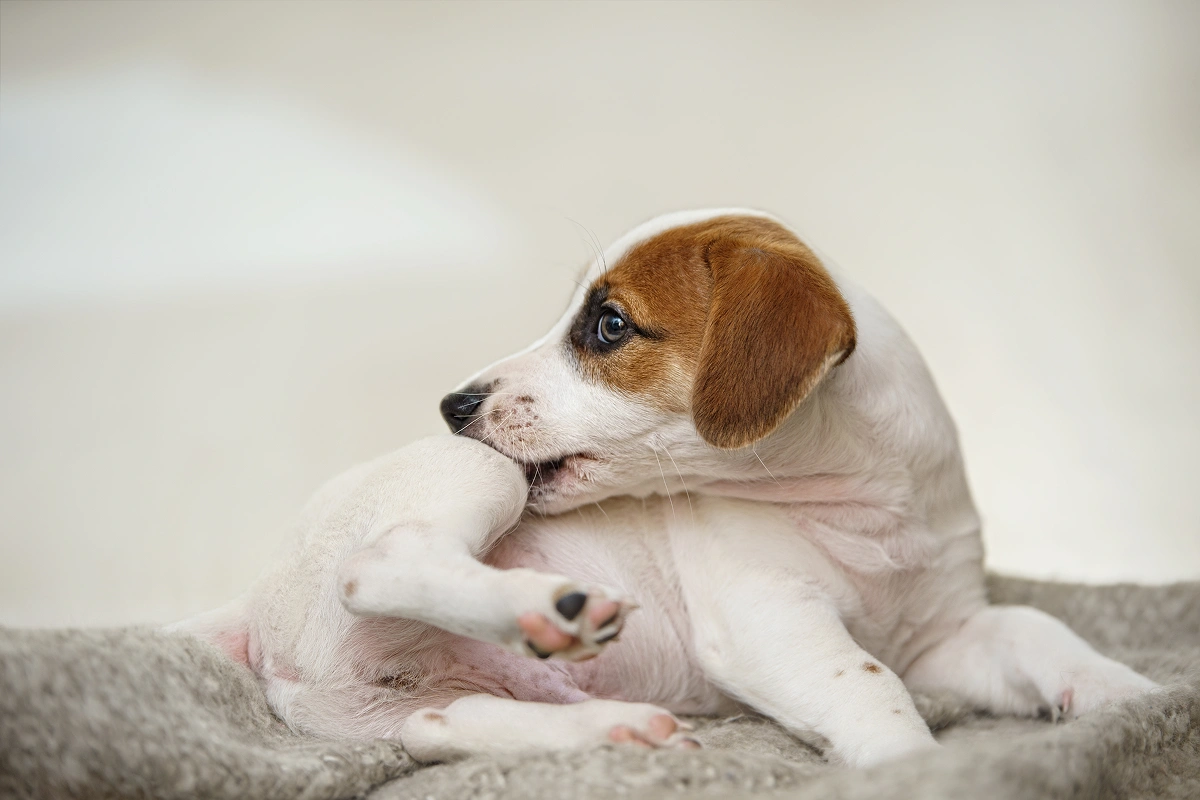
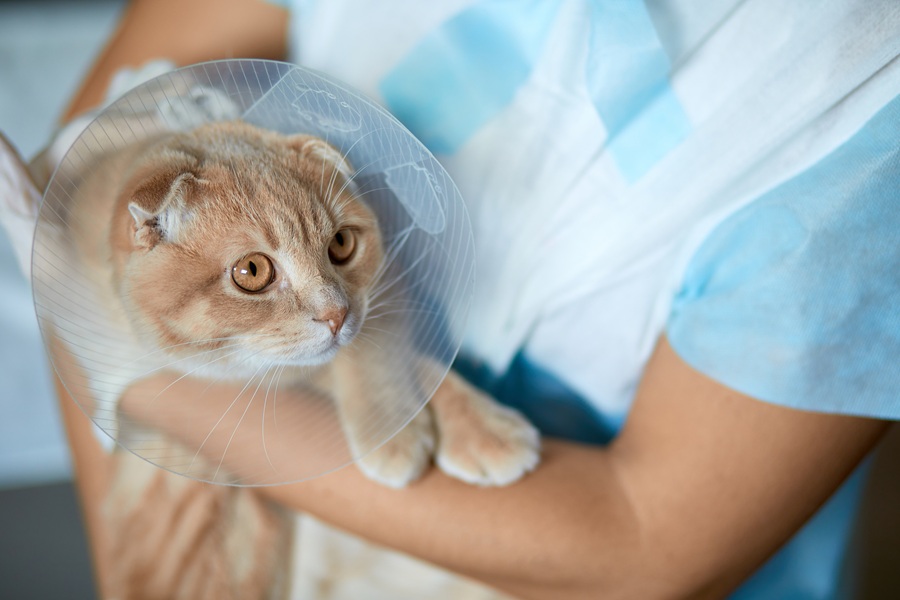
The surgical site will be delicate for around 10 to 14 days, requiring vigilant care. Prevent your dog from licking or scratching the incision, as this can introduce bacteria or reopen the wound. Using an Elizabethan collar (cone) or alternative protective devices is highly recommended. Furthermore, limit physical activity – no running, jumping, or roughhousing – to avoid strain on sutures.
Checking the incision twice daily for redness, swelling, discharge, or unusual odor helps you catch potential problems early. If you notice anything concerning, contact your veterinarian immediately.
Gradual Activity: When and How to Reintroduce Movement
Although your pup may seem energetic just days after surgery, resist the urge to resume full activity too soon. Typically, vets advise restricting exercise for about two weeks post-neutering. Instead, focus on short leash walks and calm interactions that prevent excitement or injury.
Reintroduction of play and normal activities should be gradual and guided by your vet’s approval. This approach helps ensure that healing is complete and complications are avoided.
Comfort and Care: Supporting Your Dog’s Well-being
Pain management is crucial for your dog’s comfort and recovery. Follow your vet’s medication instructions carefully, never giving human pain medicines unless prescribed. Providing soft bedding, a cozy space, and familiar toys can ease stress.
Additionally, maintain a balanced diet and fresh water availability to support healing. If your dog shows loss of appetite, vomiting, or unusual lethargy beyond the first couple of days, seek veterinary advice promptly.
Why Choose Spay and Neuter in Tequesta?
Opting for spay and neuter in Tequesta means access to experienced veterinary teams that prioritize your pet’s safety and comfort before, during, and after surgery. These professionals offer tailored post-op instructions and are ready to assist with any concerns during recovery. Their goal is to make this life stage smooth and healthy for your dog.
FAQs: Your Top Questions About Dog Neuter Recovery
Q1. How long does it take for a dog to recover from neutering?
Ans. Most dogs heal externally within 10 to 14 days, though behavioral changes can take a few weeks.
Q2. Can my dog eat normally after surgery?
Ans. Offer small, light meals the first day. Return to normal feeding gradually as your dog’s appetite returns.
Q3. Should I let my dog lick the incision?
Ans. No. Licking can cause infections or reopen wounds. Use an Elizabethan collar if needed.
Q4. When can my dog resume running and playing?
Ans. Generally, wait until the vet confirms that the incision is fully healed, usually around two weeks.
Q5. What signs indicate a problem during recovery?
Ans. Look for excessive swelling, discharge, bleeding, unpleasant odor, vomiting, or lethargy and contact your vet promptly.
Q6. Is pain medication necessary after neutering?
Ans. Yes, pain management enhances comfort and healing but always use only vet-prescribed medications.