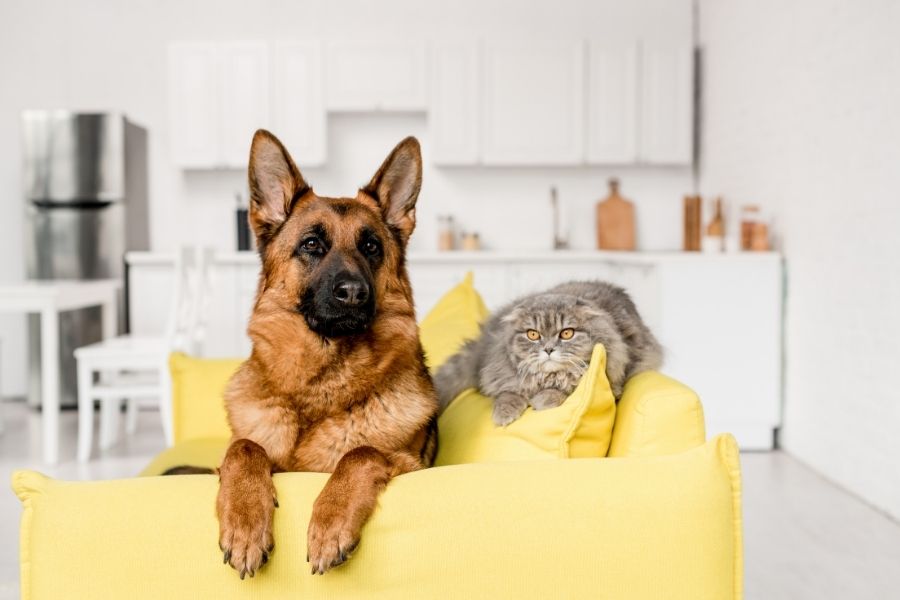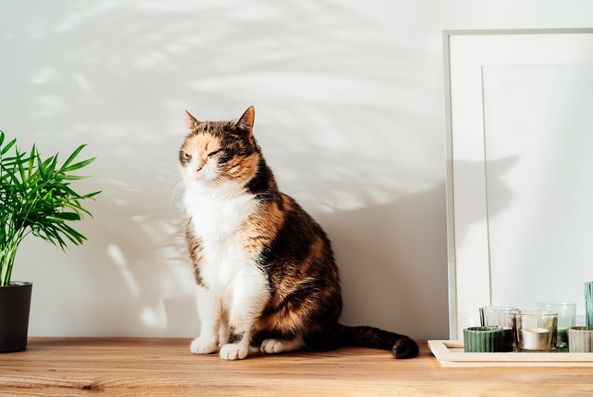


A restless dog pacing the hallway or a shy cat hiding under the couch often shows signs of stress quietly building in our homes. Pets can experience stress similarly to humans, which may manifest through whining, scratching, digestive issues, or abrupt behavioral changes. Providing calm support and gentle routines can help them feel more secure and comfortable.
Why Stress Management Matters
Pet anxiety can affect behavior, sleep, and overall well-being. When pets get stressed, it may result in destructive chewing, household accidents, increased vocalization, or a decreased appetite. Recognizing these signs early for pet stress relief allows you to respond quickly before they get more intense. The goal is to create a caring environment that helps build calmness, confidence, and emotional balance, with early steps that prevent worsening behaviors and build trust between pets and owners.
Recognizing Stress Cues in Pets
Dogs and cats communicate discomfort through posture, sounds, eating behavior, and daily routines. Not every sign looks dramatic, so knowing subtle cues is valuable, like:
• Hiding or avoiding interaction
• Tucked tail, pinned ears, pacing
• Excessive licking or grooming
• Sudden changes in appetite or sleep patterns
• Whining, barking, growling, or hissing
• Using the litter box or potty areas irregularly
Focusing on patterns instead of individual episodes provides a more precise understanding. Repeated signs indicate that gentle interventions are necessary to lessen emotional stress.
Creating a Peaceful Home Environment
Reasons to create a peaceful environment for your pet include:
- Stable environments help prevent triggers that can overwhelm pets.
- Small changes can affect a home’s energy use.
- Using soft background sounds, slowly introducing stimuli, and assigning specific resting areas offer comfort.
- Ensuring smooth transitions during feeding, play, and bedtime helps set clear expectations.
Ways to build a calm environment:
• Provide a quiet room or cozy corner with familiar scents
• Keep a steady feeding and walking schedule
• Reduce loud noises during fireworks or storms
• Allow pets time to watch new visitors from a distance
Comfort starts with safety, which improves pets’ decision-making and social behavior when they feel secure.
Natural Calming Techniques for Dogs
Dogs respond well to routines that include regular exercise and mental activities. Exercise helps reduce nervous energy, while engaging the mind through puzzle toys, interactive feeders, daily walks, and training sessions keeps them focused on positive activities and prevents boredom.
Consider these natural strategies:
• Slow sniff walks instead of fast-paced outings
• Chew-safe toys for tension release
• Gentle body massage to relax tense muscles
• Soft verbal reassurance with a calm tone
• Exposure training for noise sensitivity at low volume
Never force your dog to interact when it is scared. Allow your dog to approach contact at its own pace. A calm owner’s presence helps create a positive environment for recovery.
Natural Calming Techniques for Cats
Cats tend to handle stress quietly by moving to higher places or hiding under beds, rather than displaying obvious signs like pacing or vocalizing. Providing them with appropriate outlets for movement can help them release tension safely and comfortably.
Techniques helpful for felines include:
• Climbing vertical spaces like shelves or trees
• Scratching posts for emotional release
• Wand play for hunting stimulation
• Window perches that offer visual engagement
• Soothing pheromone diffusers
Enrichment and Sensory Support
Engaging your pet mentally helps prevent anxiety from developing.
- Providing sensory enrichment offers a positive distraction and gives pets something rewarding to focus on.
- Rotating toys weekly keeps their interest lively, and placing food puzzles or snuffle mats challenges their thinking skills and keeps their minds active.
- Outdoors, when it is safe, encourages instincts such as tracking scents and watching the scenery, which can be very stimulating.
- Sunbathing near windows can promote relaxation by helping pets feel calm.
- Playing soft music or white noise during times when they are separated can help reduce emotional tension.
- Essential oils should never be applied directly to pets, and always consult professionals before diffusing oils around animals.
Building Daily Pet Stress Relief Routines
Pets thrive with structure, knowing when meals, play, and rest occur. Short training sessions strengthen communication and reinforce good behavior.
A balanced mix of activity and rest creates a stable emotional environment, such as using calm greetings, avoiding overly excited reunions, and establishing bedtime routines that include gentle touch or brushing, which can help develop peace. Small, consistent changes can develop into healthy habits over time. Strategies for reducing pet stress are most effective when applied daily rather than only during stressful situations.
Addressing Triggers and Fears Naturally
Fear responses stem from past experiences, genetics, or noisy surroundings. Gradual desensitization involves gradually exposing animals to feared stimuli while offering rewards, such as treats or affection. Items like thunder jackets, dim lighting, blankets, or cozy dens help animals find comfort during storms. Avoid punishment during anxiety episodes, as scolding cannot fix fear. Instead, focus on reassurance, patience, and nurturing to help them overcome their fears.
When Stress Requires Help
Natural techniques are effective for everyday management, but severe cases might need professional intervention. Signs like chronic fear, aggression, loss of appetite, or constant pacing suggest a more serious issue that shouldn’t be overlooked. Plans for pet stress relief can be tailored to their age, lifestyle, and sensitivities. Early professional help supports long-term emotional and physical health.
A Calm Home Starts With Understanding
Pets rely on humans for comfort. Recognizing behavior changes and maintaining routines helps create a safe, nurturing environment, influencing their well-being, behavior, and bond with families. Supporting pet stress relief is a gradual, patient process that requires consistency and gentle guidance.
Calming pets starts with awareness and small steps to build confidence. Routine, enrichment, environment control, and reassurance lower tension and promote comfort. When needed, veterinary guidance aids decision-making and wellness. For families in Tequesta, FL, contacting us and scheduling a wellness consultation at Tequesta Veterinary Clinic can help you and your pets find comfort.
FAQs
1. What natural methods calm anxious dogs quickly?
Ans: Start with gentle walks, puzzle feeding, and structured play. Create a quiet zone with comforting scents and low noise. Calm energy from owners strongly influences pets, so maintain slow movements and a soft voice for reassurance during stressful events.
2. Do cats show stress differently from dogs?
Ans: Yes. Cats often withdraw, hide, groom excessively, or avoid eye contact. They may also reduce play or eating. Unlike dogs, felines express tension quietly, so subtle observation helps families respond before problems escalate into long-term anxiety.
3. What role does routine play in stress control?
Ans: Predictable schedules increase confidence. Pets know what to expect, which reduces fear during mealtimes, bedtime, or daily activities. Consistent feeding, play, and quiet hours create emotional balance, especially for separation-sensitive animals.
4. Can play therapy reduce anxiety?
Ans: Yes. Interactive play releases tension and stimulates the brain. For dogs, fetch or sniff walks help. For cats, wand toys and climbing posts work well. Play improves mood by redirecting energy into positive tasks.
5. Is music helpful for stressed pets?
Ans: Calm music or white noise masks triggers like traffic or thunder. Soft audio builds a relaxing environment, especially during the owner’s absence. Many pets settle faster when gentle sounds replace sudden noises.