

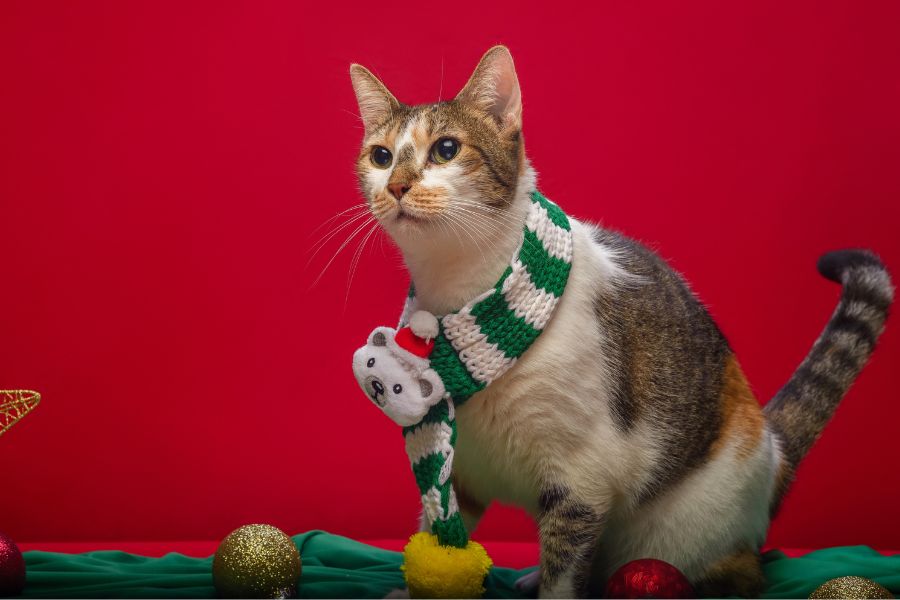
The holidays are a joyful time, but they can also introduce hidden risks for pets if safety is overlooked. From festive decorations to travel and visitors, holiday pet collar safety becomes especially important during Christmas and other seasonal celebrations. This guide covers practical, veterinarian-approved collar and tag safety tips to help keep dogs and cats protected, comfortable, and easy to identify during the holiday season.
Why Holiday Pet Collar Safety Matters More Than You Think
During holiday seasons, pets face more distractions and changes to their routine. Guests come and go, doors open frequently, and travel increases the risk of pets getting lost. A secure, well-fitted collar with proper identification is often the first line of defense.
Key holiday-related risks include:
- Increased foot traffic and open doors
- Loud noises from gatherings or fireworks
- Travel to unfamiliar places
- Exposure to decorations that can snag or choke
Focusing on safe collars for pets helps reduce the chance of injury or escape during these busy times.
Choosing Safe Collars for Pets During the Holidays
Not all collars are created equal, especially when pets are wearing them for long hours during holiday activities.
Best Collar Features for Dogs
- Adjustable fit that allows two fingers between the collar and neck
- Durable breakaway or quick-release buckle
- Lightweight material to prevent irritation
- Reflective stitching for visibility during evening walks
Avoid collars that are too tight or overly decorative, as heavy charms can strain the neck or snag on furniture.
Best Collar Features for Cats
Cats should always wear breakaway collars. These collars are designed to release under pressure, preventing choking if the collar gets caught on holiday décor or furniture.
Recommended features include:
- Elastic or breakaway clasp
- Lightweight design
- No dangling accessories beyond ID tags
Proper ID Tags Are Essential for Holiday Travel
Holiday travel increases the chances of pets slipping away in unfamiliar environments. ID tags should be updated and easy to read.
Make sure your pet’s tag includes:
- Pet name
- Current phone number
- City and state
- Optional microchip information
Laser-engraved tags last longer than printed ones and remain readable even with wear.
Christmas Pet Softy Tips for Comfort and Safety
Many pet owners love festive collars, sweaters, and accessories during Christmas. While adorable, comfort and safety must come first.
Do This
- Choose soft, breathable fabrics
- Remove outfits when pets are unattended
- Check for skin irritation daily
Avoid This
- Tight collars with bells or ornaments
- Costumes with strings, beads, or loose parts
- Leaving holiday accessories on overnight
These Christmas pet softy tips help ensure that holiday fun does not turn into an emergency visit.
Checking Collar Fit as Weather Changes
Winter weight fluctuations are common, especially in pets that are less active during colder months or indulge in extra treats.
A good rule of thumb:
- Check collar fit weekly
- Adjust for seasonal weight changes
- Watch for fur matting under collars
Signs a collar is too tight include hair loss, redness, or constant scratching around the neck.
Microchipping and Collars Work Best Together
While collars and tags are important, microchips add an extra layer of security. Collars can break or slip off, but a microchip remains permanent.
Best practice during holidays:
- Keep collar and tag on at all times
- Ensure microchip registration is up to date
- Verify contact details before travel
Combining these methods greatly improves the chances of a lost pet being returned quickly.
When to Remove Collars for Safety
Even the safest collars should be removed at certain times.
Consider removing collars:
- At bedtime
- When creating your pet
- During unsupervised play with other pets
For cats that stay indoors, collars may be removed overnight if microchipped, but always replace them during gatherings or travel.
Signs Your Pet’s Collar Is Unsafe
Holiday excitement can mask early signs of discomfort. Check your pet regularly for:
- Excessive scratching or pawing at the collar
- Red or raw skin around the neck
- Changes in behavior or appetite
- Collar odor or stiffness
If any of these signs appear, replace the collar immediately and consult a veterinarian.
Extra Holiday Safety Tips from Veterinarians
Veterinarians often see collar-related injuries spike during holidays. A few preventive steps go a long way:
- Inspect collars weekly for wear or damage
- Replace frayed or cracked materials
- Avoid retractable leashes attached to neck collars
- Use harnesses for dogs during busy outings
Keeping pets safe during the holidays requires attention to small details that make a big difference. Choosing the right collar, maintaining proper fit, updating ID tags, and following Christmas safety best practices can significantly reduce risks for both dogs and cats. If you are located in Tequesta, FL and looking for trusted veterinary care during the holiday season, Tequesta Veterinary Clinic offers compassionate care and practical advice to help your pets stay safe and comfortable year-round.
FAQs
Q1: What is the safest collar type for cats during the holidays?
Breakaway collars are the safest option for cats, especially around holiday decorations and furniture.
Q2: How often should I check my pet’s collar fit?
Check the fit weekly and after any noticeable weight change, especially during holiday seasons.
Q3: Are festive collars safe for pets to wear all day?
Festive collars can be worn under supervision, but they should be lightweight, soft, and removed when pets are unattended.
Q4: Should pets wear collars indoors during holiday gatherings?
Yes, indoor collar use during gatherings helps ensure quick identification if a pet escapes through an open door.
Q5: Do microchips replace the need for collars?
No, microchips and collars work best together. Collars provide immediate identification, while microchips offer permanent backup.