

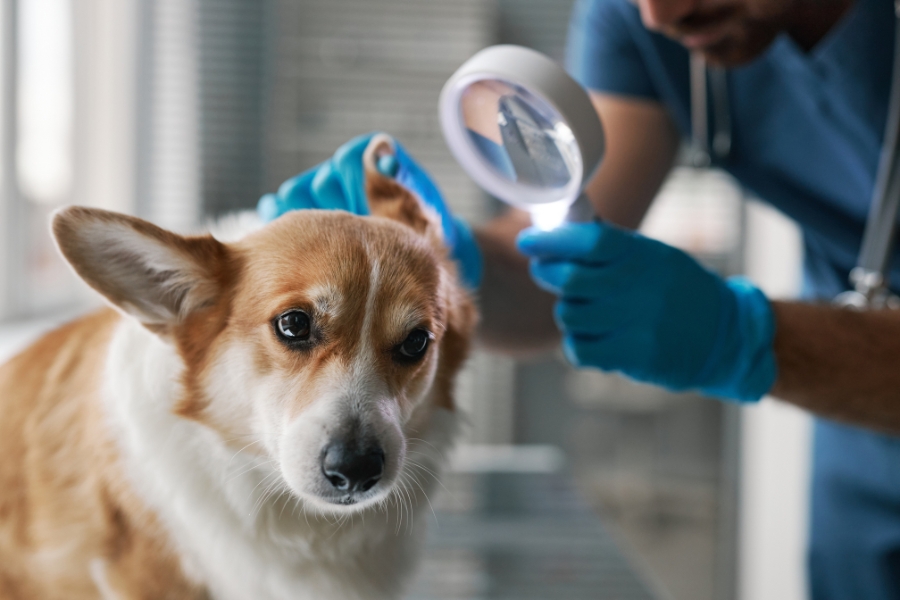
When it comes to your pet’s health, the sooner you spot a problem, the better. Whether it’s an invisible infection or an early-stage disease, catching health issues before they become serious can save your pet from pain—and you from expensive emergency treatments. That’s where pet diagnostic care steps in as a true game-changer in modern veterinary medicine.
From routine bloodwork to advanced imaging, diagnostic testing empowers veterinarians to make informed decisions about your pet’s health, often before any visible symptoms appear. Let’s explore why diagnostic care is a vital tool for early intervention and long-term wellness.
Why Pet Diagnostic Care Is More Than Just Testing
Diagnostics in veterinary medicine go far beyond identifying a current illness. They serve as an early warning system that helps detect potential problems before your pet shows signs of being sick. This proactive approach ensures that your dog or cat receives timely treatment, leading to faster recovery and better outcomes.
Whether your pet is young, senior, or somewhere in between, regular diagnostic screenings help establish a baseline for their normal health parameters. Any deviation from this baseline in future tests can act as a red flag, guiding your vet toward early intervention.
Common Types of Diagnostic Pet Care
Veterinary diagnostic services include a wide range of tools that offer critical insights into your pet’s internal health. Some of the most common tests include:
1. Blood Tests
Blood tests help assess organ function, detect infections, monitor chronic conditions like diabetes, and evaluate immune responses. They’re often part of annual wellness exams or used when unexplained symptoms arise.
2. Urinalysis
Urine testing can uncover urinary tract infections, kidney issues, and even diabetes. It’s especially important in senior pets who are more prone to kidney disease.
3. X-rays and Ultrasounds
These imaging tests are essential for spotting bone fractures, tumors, fluid build-up, and internal organ abnormalities. Ultrasounds provide a clearer picture of soft tissues, which X-rays can’t fully capture.
4. Fecal Exams
These tests detect parasites, bacteria, and other gastrointestinal issues. Left untreated, these problems can lead to weight loss, dehydration, or more serious complications.
5. Allergy and Skin Testing
If your pet scratches constantly or shows signs of skin irritation, diagnostic testing can help identify allergens or skin conditions that need targeted treatment.
How Early Detection Can Save Lives
Many life-threatening conditions in pets—such as kidney failure, heart disease, or cancer—develop silently. By the time noticeable symptoms appear, the disease may already be in an advanced stage. Routine pet diagnostic care allows veterinarians to catch these illnesses early when they are most treatable.
For example:
- Kidney disease detected early through bloodwork can often be managed with diet and medication.
- Heart murmurs found via diagnostic imaging can be monitored and treated before leading to heart failure.
- Cancerous growths found through X-rays or ultrasounds can be surgically removed before spreading.
Who Needs Diagnostic Pet Care and When?
Every pet benefits from diagnostic testing, but some pets require it more frequently:
1. Puppies and Kittens
These young pets need a full diagnostic workup during their first few months to ensure they’re developing properly and free of congenital issues.
2. Adult Pets
For healthy adults, annual diagnostic tests are often enough to detect early signs of illness, especially in active or working breeds.
3. Senior Pets
Older pets (usually over 7 years) are more prone to age-related diseases. Semi-annual diagnostics are recommended to keep tabs on organ function, joint health, and metabolic issues.
What to Ask Your Vet
To make the most of your pet’s diagnostic care, ask your vet:
- What tests are recommended for my pet’s age and breed?
- How often should these tests be repeated?
- Are there any early signs of health changes we should watch for?
- Can baseline testing help monitor my pet’s health over time?
Being proactive with your vet helps ensure your pet stays happy and healthy for years to come.
Preventative care is often more affordable—and far less stressful—than emergency treatment. While the upfront cost of diagnostic testing may seem unnecessary when your pet appears healthy, it’s an investment in their long-term wellness. The insights gained from a single blood test or imaging session could be the key to avoiding more serious, costly problems down the road. Ultimately, pet diagnostic care in Tequesta is about giving your pet the best chance at a longer, healthier life. Don’t wait for symptoms to show before taking action. Early detection through routine diagnostic testing gives your pet the best defense against illness. When you prioritize diagnostics, you’re not just responding to problems—you’re actively protecting your pet’s future.