

If your pet is living with pain, stiffness, or a slow-healing wound, companion laser therapy for pets may be one of the most effective tools your vet has available. This non-invasive, drug-free treatment has grown steadily in veterinary medicine over the past decade, and for good reason. It helps pets feel better faster, with no needles and no sedation required. Here in Tequesta, more and more pet owners are asking about laser therapy as a complement to traditional care. Whether your dog is recovering from surgery, your cat has chronic arthritis, or your senior pet is slowing down with age, this therapy may offer real relief. In this article, we explain exactly how laser therapy works, which conditions respond best, and what to expect when you bring your pet in for a session.
What Is Companion Laser Therapy and How Does It Work?
Companion laser therapy uses concentrated beams of light to stimulate healing at the cellular level. The laser energy penetrates the skin and reaches damaged or inflamed tissue beneath the surface. Once absorbed, it triggers a process called photobiomodulation. This process reduces inflammation, increases circulation, and accelerates the body’s natural healing response.
The treatment is completely painless. Most pets actually relax during the session, and some even fall asleep on the table. There are no incisions, no medications involved in the procedure itself, and no recovery time needed afterward.
Pet laser therapy benefits are broad, which is why this treatment has become a standard offering at many veterinary practices. According to the American Veterinary Medical Association (AVMA), photobiomodulation therapy is recognized as a legitimate and growing area of veterinary care. In our experience, pets that receive regular laser sessions often show visible improvements in comfort and mobility within just a few visits.
Which Conditions Respond Best to Laser Therapy?
Laser therapy is not a one-size-fits-all treatment, but it is effective across a wide range of conditions. Here are the situations where we most commonly recommend it:
- Osteoarthritis. Chronic joint inflammation is one of the top reasons pets receive laser therapy. It reduces swelling and helps aging joints move more freely.
- Post-surgical recovery. Laser treatment for dog pain after procedures like ACL repair or spay/neuter speeds tissue healing and reduces the need for heavy pain medications.
- Skin infections and hot spots. The therapy promotes faster tissue repair and reduces bacterial activity at wound sites.
- Intervertebral disc disease (IVDD). Dogs with spinal issues often show significant improvement in nerve function and comfort levels.
- Hip dysplasia. Young and senior dogs alike benefit from reduced hip pain and improved range of motion.
- Ear infections. Laser therapy reduces inflammation inside the ear canal and supports faster recovery alongside standard treatment.
One of the most common questions we get from pet owners is whether laser therapy can fully replace pain medications. The honest answer is that it works best as part of a comprehensive plan. For many pets, however, it significantly reduces the dosage or frequency of medications needed, which is a meaningful benefit.
What to Expect During a Laser Therapy Session
If you are considering laser therapy for your pet, here is what a typical visit looks like at our pet clinic in Tequesta:
- Intake and assessment. Your vet reviews your pet’s condition and confirms laser therapy is appropriate.
- Positioning your pet. Your pet lies comfortably on a padded table. No restraints are needed for most animals.
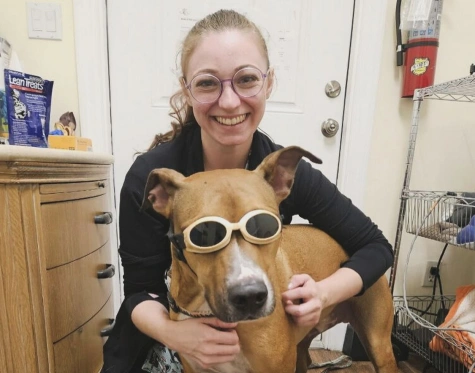
- Protective eyewear. Both your pet and anyone in the room wears protective goggles to shield their eyes from the laser light.
- The laser session begins. The handheld device moves slowly over the treatment area. Sessions typically last between 5 and 20 minutes, depending on the condition being treated.
- Immediate post-session. Your pet can walk out and resume normal activity right away. No downtime required.
- Follow-up plan. Most pets start with a series of sessions close together, then move to a maintenance schedule once improvement is established.
Vet laser therapy sessions are gentle enough that even anxious pets tend to tolerate them well. Many owners are surprised at how calm their animals become once they realize the process is completely painless.
Pet Laser Therapy Benefits for Specific Animals and Ages
Laser therapy is effective across species and life stages, but some groups see especially strong results. Senior dogs and cats with chronic pain are among the biggest beneficiaries. As pets age, their ability to process pain medications safely often decreases. Laser therapy offers a way to manage discomfort without straining the kidneys or liver.
In Florida’s warm, humid climate, we see a higher rate of skin issues, hot spots, and ear infections than in drier regions. These conditions respond quickly to laser therapy when it is introduced early in the treatment plan. Pet owners often tell us they wish they had started laser sessions sooner, especially for pets dealing with long-term skin inflammation.
Pet laser therapy benefits also extend to younger animals recovering from trauma or orthopedic surgery. Healing times are often noticeably shorter, and pets return to normal activity faster than with rest alone.
One misconception we frequently hear is that laser therapy is only useful for older pets. In reality, it is just as effective for young animals recovering from injury or managing a chronic condition diagnosed early in life. The AAHA (American Animal Hospital Association) supports multimodal pain management approaches, and laser therapy fits squarely within those guidelines.
How to Know If Your Pet Is a Good Candidate
Not every pet needs laser therapy, but many would benefit more than their owners realize. Watch for these signs that your pet may be a good candidate:
- Slowing down on walks or reluctance to climb stairs
- Licking or chewing at a specific area of the body
- Stiffness after rest that improves with movement
- Slower healing from a wound or incision
- Behavioral changes like irritability or reduced activity
If you notice any of these signs, talk to your veterinarian about whether laser therapy makes sense. Pet recovery with laser treatment tends to be gradual but steady. Most pets show measurable improvement after three to five sessions, though the timeline varies by condition and severity.
We frequently remind our clients that early intervention matters. The sooner laser therapy is added to a pain or recovery plan, the better the outcome tends to be. Pet recovery with laser treatment is most effective when it begins before chronic compensatory patterns, such as muscle tension or gait changes, have time to develop.
Conclusion
Companion laser therapy for pets is one of the most effective and gentle tools available in modern veterinary care. It works across a wide range of conditions, from arthritis and surgical recovery to skin problems and nerve pain. It is drug-free, painless, and requires no recovery time after each session. Pet owners in Tequesta consistently tell us they are glad they tried it, especially when they see their pet moving more comfortably and enjoying life again. If you have been wondering whether your dog or cat could benefit, the best next step is a conversation with your vet. At Tequesta Veterinary Clinic, we are happy to evaluate your pet and discuss whether laser therapy is the right fit. Book an appointment today.
Frequently Asked Questions
Is companion laser therapy safe for all pets?
Ans: Laser therapy is safe for most dogs and cats. There are a few exceptions, such as pets with certain types of cancer in the treatment area or those with light-sensitive conditions. Your vet will review your pet’s health history before recommending it.
How many laser therapy sessions does my pet need?
Ans: Most pets start with a series of three to six sessions scheduled close together. After the initial phase, many animals move to weekly or monthly maintenance sessions depending on their condition and response to treatment.
Does laser therapy hurt my pet?
Ans: No. Laser therapy is completely painless. Most pets relax during the session, and many become drowsy from the gentle warmth of the laser. There is no discomfort during or after treatment.
Can laser therapy be combined with other treatments?
Ans: Yes. Laser therapy works well alongside medications, physical rehabilitation, acupuncture, and other veterinary treatments. It is commonly used as part of a multimodal pain management plan for best results.
How soon will I see results in my pet?
Ans: Many pet owners notice improvement after two to three sessions. For chronic conditions like arthritis, results build gradually over time. Your vet will monitor your pet’s progress and adjust the treatment schedule as needed.