
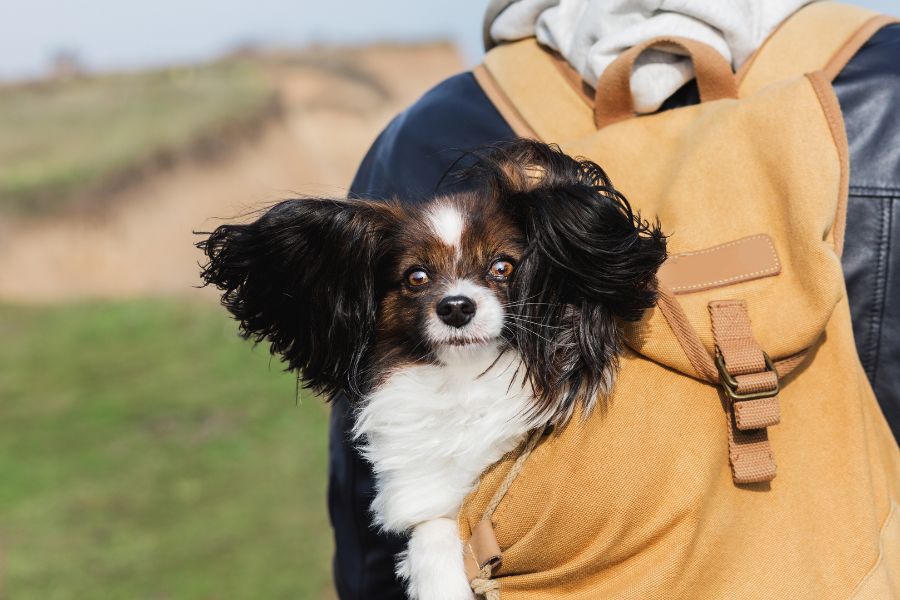
Traveling with a small dog can be fun and stress-free when you have the right gear. Choosing the perfect backpack carrier for your small dog helps keep them safe, comfortable, and close to you during walks, trips, and outdoor adventures. In this guide, we’ll break down what to look for, common mistakes to avoid, and how to find the best carrier for your dog’s size, personality, and lifestyle.
Why a Backpack Carrier Is a Great Choice for Small Dogs
Backpack carriers have become increasingly popular among small dog owners and for good reason. Unlike traditional carriers, backpack styles allow hands-free movement while keeping your dog secure.
Some key benefits include:
- Better mobility for hiking, biking, or traveling
- Reduced strain on your arms compared to handheld carriers
- Closer bonding, as your dog stays near your body
- Less stress for dogs who feel safer when close to their owner
In walkable, outdoor-friendly areas, backpack carriers are especially helpful for beach walks, local trails, or busy downtown areas where small dogs may tire easily.
Understanding Your Dog’s Size and Weight
Before buying any carrier, you need an accurate understanding of your dog’s size.
Measure Before You Buy
Always check:
- Your dog’s weight
- Body length (neck to tail base)
- Chest width and height while sitting
Most backpack carriers list a maximum weight limit, often between 8 – 20 pounds. Avoid sizing up “just in case” a carrier that’s too large can be unsafe and uncomfortable.
Fit Matters More Than Breed
While breeds like Chihuahuas, Yorkies, and Toy Poodles often use backpack carriers, individual body shape matters more than breed alone. A snug but not tight fit is ideal.
Comfort Features Your Dog Needs
Your dog’s comfort should be a top priority when choosing a backpack carrier.
Proper Ventilation
Look for carriers with:
- Breathable mesh panels
- Side and front airflow openings
This is especially important in warm, humid climates like South Florida, where overheating can happen quickly.
Padded Interior
A soft, cushioned base helps prevent pressure on joints and makes longer trips more enjoyable. Some carriers even include removable, washable padding.
Head and Leg Openings
Many dogs feel calmer when they can see their surroundings. Adjustable openings for the head or legs allow:
- Natural sitting positions
- Reduced anxiety
- Better balance
Safety Features You Shouldn’t Skip
Safety is non-negotiable when selecting a backpack carrier.
Internal Safety Clip
A built-in leash clip prevents your dog from jumping out unexpectedly. Always attach it to a harness, not a collar.
Secure Zippers and Buckles
Choose carriers with:
- Locking or double zippers
- Reinforced seams
- Strong buckles
These features prevent accidental escapes, especially with wiggly or curious dogs.
Sturdy Structure
A well-structured backpack helps keep your dog upright and prevents sagging that can strain their spine.
Your Comfort Matters Too
A carrier that’s uncomfortable for you won’t get used to, no matter how much your dog likes it.
Ergonomic Design
Look for:
- Padded shoulder straps
- Adjustable chest and waist straps
- Even weight distribution
These features reduce back and shoulder strain during longer outings.
Lightweight but Durable Materials
Choose materials that are:
- Lightweight
- Easy to clean
- Strong enough to support your dog safely
This is especially helpful if you’re walking around town, visiting outdoor cafés, or exploring local parks.
Different Types of Backpack Carriers
Not all backpack carriers are the same. Understanding the options can help you make a better choice.
Front-Facing Backpack Carriers
- Dog rides on your chest
- Great for anxious or senior dogs
- Easier to monitor your pet
Traditional Back Backpack Carriers
- Dog rides on your back
- Better for longer walks and hikes
- Frees up your front completely
Expandable Backpack Carriers
- Offer extra room when stationary
- Ideal for travel or waiting areas
Choose the style that best fits your lifestyle and your dog’s comfort level.
Matching the Carrier to Your Lifestyle
Think about how and where you’ll use the carrier most.
For Daily Walks and Errands
- Lightweight design
- Easy on/off access
- Minimal bulk
For Travel and Adventures
- Airline-approved sizing (if needed)
- Extra storage pockets
- Water-resistant materials
For Outdoor Activities
- Reinforced base
- Extra ventilation
- Strong straps and structure
Common Mistakes to Avoid
Even well-meaning pet owners can make mistakes when choosing a backpack carrier.
Avoid:
- Buying based on looks alone
- Ignoring weight limits
- Skipping safety features
- Choosing poor ventilation in warm climates
- Forcing a dog who’s not ready
Take time to introduce the carrier gradually and make it a positive experience with treats and short practice sessions.
Getting Your Dog Comfortable with the Carrier
Some dogs need time to adjust and that’s normal.
Tips for a Smooth Transition
- Let your dog explore the carrier at home
- Use treats and praise
- Start with short trips
- Increase duration gradually
Patience goes a long way in building confidence and comfort.
Conclusion
Choosing the perfect backpack carrier for your small dog comes down to comfort, safety, and fit—for both you and your pet. By focusing on proper sizing, breathable materials, strong safety features, and ergonomic design, you can confidently bring your dog along for everyday outings or weekend adventures. If you’re in Tequesta and looking for a veterinary clinic near me, contact Tequesta Veterinary Clinic to get personalized guidance and keep your furry companion happy and secure on the go.
FAQs
Q1: What size backpack carrier is best for a small dog?
Ans: The best size depends on your dog’s weight and body measurements, not just breed. Always follow the manufacturer’s size chart for a secure fit.
Q2: Are backpack carriers safe for puppies?
Ans: Yes, backpack carriers can be safe for puppies if they fit properly and include safety straps, but short trips are best until your puppy grows.
Q3: Can dogs breathe well in backpack carriers?
Ans: High-quality backpack carriers have mesh panels and ventilation openings that allow proper airflow when used correctly.
Q4: How long can my dog stay in a backpack carrier?
Ans: Most small dogs can stay comfortably for 30–90 minutes, depending on their age, health, and comfort level.
Q5: Is a backpack carrier better than a stroller for small dogs?
Ans: Backpack carriers offer more mobility and bonding, while strollers are better for dogs with mobility issues. Each has its place depending on your dog’s needs.