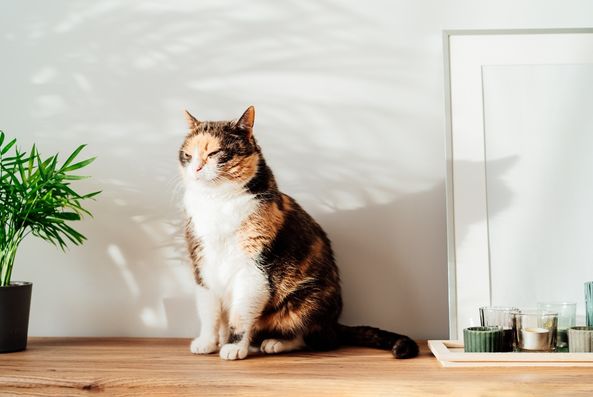


Cats have a reputation for being low-maintenance. They groom themselves, use a litter box without prompting, and seem content to nap the day away. But that independent exterior hides something important: cats are deeply routine-driven animals. Disruptions to their daily environment can trigger stress, anxiety, and even physical illness. The daily cat care habits you build around your cat are not optional extras. They are the foundation of a healthy, happy life. Whether you have had cats for years or you recently brought home your first kitten, these ten habits make a bigger difference than most pet owners realize. Consistent care is the single most powerful thing you can do for your cat’s long-term well-being.
What Are the Most Important Daily Cat Care Habits?
Daily cat care habits are the routine actions you take every day to support your cat’s physical health and emotional stability. They include feeding, hydration, play, grooming, litter box maintenance, and quiet observation of your cat’s behavior.
Cats are creatures of habit. Research suggests that cats with predictable daily routines show fewer signs of stress-related illness and are less likely to develop behavioral problems. A consistent schedule helps your cat feel safe, which directly supports their immune function and overall health.
Fresh Water and Consistent Feeding Times
Cats are not natural grazers. Their digestive systems respond best to structured mealtimes, not all-day food access. Free-feeding is one of the leading contributors to feline obesity, and an estimated 60% of cats in the United States are currently overweight or obese.
Set two mealtimes per day at consistent hours. Stick to them. Your cat’s metabolism and hunger signals will adjust, and you will have a much better way to notice early if appetite drops.
Hydration matters just as much. Many cats we see with urinary tract issues have one thing in common: they are not drinking enough water. Cats have a low thirst drive by nature. They are designed to get most of their moisture from prey. A dry-food-only diet can leave them chronically underhydrated.
A cat water fountain is one of the simplest upgrades a cat owner can make. Cats are attracted to moving water. Many cats who ignore a still bowl will drink consistently from a fountain. In South Florida’s heat and humidity, keeping Tequesta cats well-hydrated is especially important year-round.
Daily Playtime and Mental Enrichment
Cats need to hunt. Not literally, but mentally and physically. Without daily opportunities to stalk, chase, and pounce, indoor cats can become bored, anxious, or destructive. Indoor cat wellness tips almost always start here, and for good reason.
Aim for two 10 to 15 minute play sessions per day. Use wand toys, feather teasers, or laser pointers to mimic prey movement. Keep sessions varied so your cat stays engaged. Rotate toys rather than leaving the same ones out every day.
Mental stimulation counts too. Puzzle feeders, window perches with a bird feeder view, and cardboard box mazes all give your cat’s brain something to work with. Pet owners often tell us their cats are calmer and sleep better when they get consistent daily play. It is not just fun. It is essential.
Litter Box Checks: Twice a Day, Every Day
The litter box is one of the most important health monitoring tools you have. Scoop it at least once a day, and ideally twice. This is not just about cleanliness. It is about observation.
Changes in litter box habits are often the first sign that something is wrong. Straining, skipping the box, blood in urine, loose stools, or unusually small amounts of output can all signal a health issue that needs prompt veterinary attention. Catching these changes early makes a significant difference in treatment outcomes.
Keep one litter box per cat, plus one extra. Place boxes in quiet, low-traffic areas. Cats will avoid a dirty box, and if they do, they will find somewhere else to go. Consistent scooping also tells you what your cat’s normal looks like, which makes abnormalities easier to spot.
Grooming and Skin Checks
Even short-haired cats benefit from daily or near-daily brushing. It reduces shedding, prevents mats, distributes natural oils, and gives you a chance to check your cat’s skin and coat up close. Healthy habits for cats include this kind of hands-on contact every day.
Run your hands along your cat’s body while you brush. Feel for lumps, tender spots, hair loss, or any areas your cat reacts to. Check inside the ears for redness or odor. Look at the eyes for any discharge. These brief daily checks take less than two minutes, but they often catch problems before they become serious.
In our experience, cat owners who handle their cats daily are far more likely to notice subtle changes in body condition, coat quality, or skin health. Early detection consistently leads to faster, less complicated treatment.
Quiet Daily Interaction and Observation
Cats communicate in subtle ways. A slight change in posture, a shift in vocalization, and a new preference for hiding, these are not random. They are signals. Daily quiet interaction gives you the baseline you need to read those signals accurately.
Spend a few minutes each day simply sitting with your cat. Let them approach you. Talk to them. Observe how they move, where they rest, and how they respond to you. Cat behavior and routine are closely linked. When routine changes without explanation, health or stress is often the cause.
Many cat owners assume that a quiet cat is a healthy cat. In reality, hiding and reduced interaction are among the most common early signs of illness in cats. The better you know your cat’s normal behavior, the faster you will recognize when something is off.
Parasite Prevention as a Non-Negotiable Habit
Year-round parasite prevention is not optional, especially in Florida. Even cats who never go outdoors can be exposed to fleas through open windows, screen enclosures, or other pets in the household. Fleas, ticks, ear mites, and intestinal parasites are active in Tequesta every month of the year.
Make applying your cat’s prescribed preventatives part of your monthly routine. Set a calendar reminder if needed. Regular veterinary care for cats always includes parasite prevention review, because the right product depends on your cat’s age, weight, indoor access level, and health history. Never use dog flea products on cats. Some ingredients that are safe for dogs are toxic to cats.
Annual Vet Visits and Preventive Screenings
One annual visit is the minimum. Many adult cats benefit from twice-yearly checkups, and senior cats (age seven and older) should be seen at least every six months. Cats age faster than humans, and a lot can change in a year.
Routine exams allow your vet to catch dental disease, weight changes, early kidney disease, thyroid imbalances, and other conditions before symptoms appear. Veterinary care for cats is most effective when it is consistent and proactive rather than reactive.
Bringing your cat in when they seem fine is just as important as bringing them in when something is wrong. Preventive care is always less costly and less stressful than treating a problem that has been progressing undetected.
A Safe, Stimulating Environment Every Day
Your cat’s environment affects their health as much as their diet does. Healthy habits for cats extend beyond food and play to include where they rest, climb, and feel secure.
Provide vertical space. Cat trees, shelves, or window perches give cats the elevated vantage point they instinctively prefer. Make sure there are quiet spots where your cat can retreat from household activity. Multiple resting areas help multi-cat households reduce tension.
Avoid strong chemical cleaners, plug-in air fresheners, and essential oil diffusers near your cat’s spaces. Cats are extremely sensitive to airborne chemicals. Many common household scents are irritating or toxic to them. A safe environment is a daily habit, not a one-time setup.
Dental Care: The Habit Most Cat Owners Skip
Dental disease is one of the most common health problems in adult cats, and one of the most preventable. Bacteria from infected gums can enter the bloodstream and affect the heart, kidneys, and liver. Cat behavior and routine should include tooth brushing, or at minimum, daily dental treats or water additives.
Getting your cat used to tooth brushing takes patience. Start with a finger brush and a small amount of cat-safe toothpaste. Work up to a daily two-minute routine over several weeks. If brushing is not realistic for your cat, ask your vet about alternatives that are actually effective.
Never use human toothpaste on cats. It contains fluoride and other ingredients that are harmful when swallowed.
Consistent Love, Routine, and Professional Support
Building daily cat care habits does not require hours of effort. It requires consistency. Cats do not need grand gestures. They need the same good things repeated every day: fresh food, clean water, play, grooming, observation, and safety.
Pet owners often tell us their cats seem more relaxed and affectionate once a real daily routine is in place. That is not a coincidence. Indoor cat wellness tips all point toward the same foundation: routine produces calm, and calm produces health. For professional guidance on your cat’s specific needs, the team at Tequesta Veterinary Clinic is here to help. Book an appointment today.
Frequently Asked Questions
Q: How many times a day should I feed my cat?
Ans: Most adult cats do well with two meals per day at consistent times. Kittens and senior cats may have different needs, so check with your veterinarian for a feeding schedule tailored to your cat’s age and health.
Q: How do I know if my cat is drinking enough water?
Ans: Signs of dehydration in cats include dry or tacky gums, lethargy, and reduced skin elasticity. A cat water fountain can encourage better hydration. If you are concerned about your cat’s water intake, schedule a vet visit to rule out underlying issues.
Q: How often should a cat visit the vet?
Ans: Adult cats should see a veterinarian at least once a year. Senior cats aged seven and older benefit from visits every six months, since age-related health changes can develop quickly and early detection significantly improves outcomes.
Q: Is it normal for my cat to hide more than usual?
Ans: No. Increased hiding is one of the most common early signs of illness or stress in cats. If your cat is hiding more than usual for more than a day or two, contact your veterinarian for an evaluation.
Q: Do indoor cats need parasite prevention?
Ans: Yes. Indoor cats are still at risk for fleas, ear mites, and intestinal parasites, particularly in warm climates where these parasites are active year-round. Your vet can recommend the safest and most effective prevention products for your cat’s lifestyle.