
Thunder booms, lightning splits the sky, and your dog is shaking so hard the whole couch vibrates. Or your cat has been wedged behind the dryer since the first distant rumble. Storm anxiety in pets is real; it is physical, and for many animals it causes genuine suffering that goes far beyond a little nervous energy. Left unaddressed, it often intensifies over time. And in some cases, it crosses a line where a worried pet owner can no longer manage the situation at home. This guide helps you understand what drives storm fear in pets, what warning signs to take seriously, and when it is time to get veterinary support.
Why Storms Trigger Such Intense Fear Responses in Pets
Pets do not simply hear a storm they experience it with every sense at once. Drops in barometric pressure signal incoming weather. Static electricity builds in the air and in their coats. The sound of thunder arrives at frequencies and volumes far more intense for animals than for humans. Add flashing light and a smell of rain, and you have a multi-sensory assault that can overwhelm even a generally calm animal.
Storm anxiety in pets tends to escalate over time rather than fade with familiarity. Each frightening storm experience reinforces the fear response, making the next one worse. Research indicates that between 15 and 30 percent of dogs experience meaningful noise phobia, with thunderstorms consistently ranking as a top trigger.
In our experience, pets often begin reacting before a storm is visible to their owners. They respond to pressure changes that arrive well ahead of the storm itself, pacing, panting, or seeking contact sometimes an hour before the first thunderclap.
What Does Storm Anxiety Look Like in Pets?
Storm anxiety does not always announce itself the same way. Some pets become loud and frantic. Others go completely silent and disappear. Both responses signal real distress.
- Panting and restlessness with no physical cause: A dog pacing and panting while the temperature is comfortable is responding to internal stress, not heat.
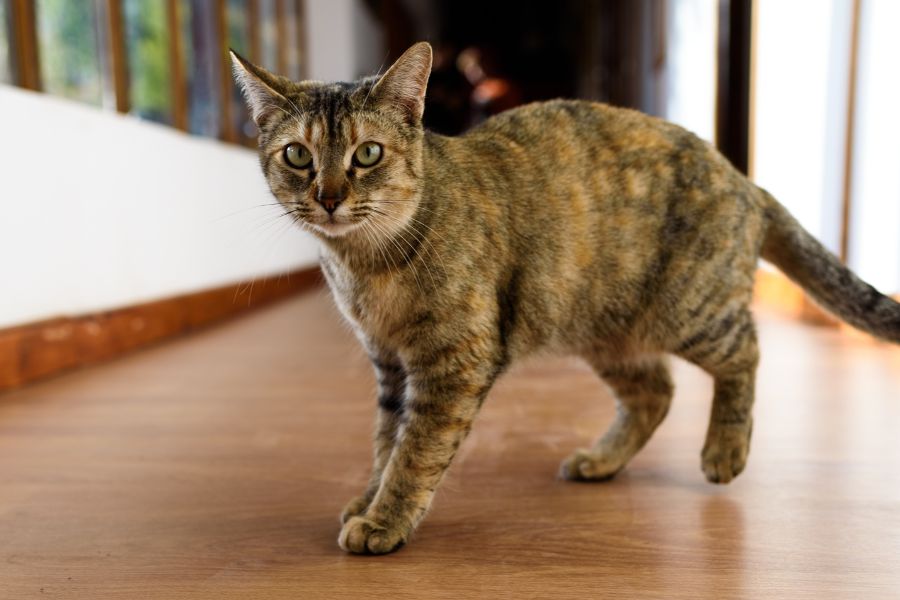
- Hiding or fleeing behavior: Cats hiding during thunderstorms often wedge themselves into tight, dark spaces and refuse to emerge for hours.
- Destructive scratching or chewing: Attempts to escape through walls, doors, or windows signal panic, not misbehavior.
- Trembling that does not stop between thunder claps: Continuous shaking, even during quiet moments in a storm, indicates sustained high anxiety.
- Clinging or seeking contact: Some pets become velcro-like, following their owner from room to room and refusing to be left alone even briefly.
- House soiling: A reliably house-trained pet having accidents during a storm is expressing a level of fear that warrants professional attention.
If you notice any of these signs, contact your nearest veterinarian promptly. These behaviors are not phases your pet will grow out of on their own.
What Drives Storm Anxiety and Which Pets Are Affected Most?
Any pet can develop storm anxiety, but certain animals are more vulnerable. Herding breeds and sporting dogs tend to carry higher baseline sensitivity to sound and movement, making thunderstorm fear particularly intense for them. Rescue animals with unknown histories, especially those who experienced outdoor life or trauma, are also commonly affected.
In Tequesta and throughout South Florida, storm season is long and active. Afternoon thunderstorms roll in regularly from spring through fall, giving anxious pets frequent exposures that compound their fear rather than reducing it. Anxious pet during lightning situations in this region are especially common during summer months, when storms can build quickly and peak without much warning.
A common belief among pet owners is that reassuring a frightened pet too much will reinforce the fear. Current understanding in veterinary behavioral medicine does not support this. Comfort and calm handling during a storm does not make anxiety worse. What worsens anxiety is lack of any management plan at all.
How Veterinarians Assess and Treat Pet Storm Anxiety
Treatment starts with a behavioral history. Your vet will ask how long anxiety has been present, what triggers it, how severe the reactions are, and whether anything currently helps. A physical exam rules out pain, thyroid issues, or other health factors that amplify anxiety responses.
From there, treatment is built around your pet’s individual profile.
- Anxiety severity rating mild, moderate, or severe
- Safe space guidance for home setup during storms
- Desensitization and counterconditioning plan if appropriate
- Calming product recommendations wraps, pheromone diffusers, or sound tools
- Prescription medication options for moderate to severe cases
- Thunderstorm-specific medication protocol for fast-acting situational relief
- Follow-up check to adjust the plan based on response
Vet help for pet storm fear has expanded significantly. Most pets with a proper plan improve meaningfully over time, and many are able to tolerate storms with far less distress than before treatment began.
When Storm Anxiety Crosses Into a Veterinary Situation
Most storm anxiety cases are manageable once a plan is in place. But some situations require prompt care beyond what a calm room and a reassuring voice can provide. A pet that injures itself trying to escape breaking a nail down to the quick, cutting a paw on a window screen, or spraining a leg jumping from furniture needs same-day evaluation. A pet who goes into a prolonged state of physical collapse, hyperventilation, or unresponsiveness during a storm needs to be seen right away.
Thunderstorm fear in dogs that is untreated for years can also contribute to chronic stress, digestive problems, and reduced immune function. These long-term effects are another reason early intervention matters.
Tequesta Veterinary Clinic is here to help pet owners in Tequesta build a real plan before storm season peaks. The clinic team understands the Florida weather cycle and the impact it has on anxious pets throughout the region. Whether you need a first-time consultation or urgent help after a weather-related injury, call pet urgent care support at (561) 972-0016. You do not have to manage your pet’s storm fear alone.
Conclusion
Storm anxiety is not just fear; it is a treatable medical issue that improves with the right support. Recognizing storm anxiety in pets early, understanding when it becomes urgent, and reaching out to a veterinarian rather than hoping it passes are the three most important things you can do for an anxious pet. Tequesta Veterinary Clinic is ready to help you create a personalized plan and provide prompt care when your pet needs it most. Book an appointment today.
Frequently Asked Questions
Q: Is storm anxiety in pets a medical condition or just behavior?
Ans: It is both. Storm anxiety involves a genuine physiological fear response that affects the nervous system and can cause physical symptoms. It is a medical condition that responds to treatment, not simply a behavior problem.
Q: Can puppies develop storm anxiety?
Ans: Yes. Noise sensitivity often develops between one and three years of age, but younger pets can show early signs. Addressing anxiety early leads to better long-term outcomes.
Q: My cat just hides during storms. Is that serious?
Ans: Hiding is a natural coping response and may be your cat’s way of self-soothing. It becomes a concern if your cat is not eating, drinking, or using the litter box for extended periods after a storm.
Q: Do calming supplements actually work for storm-anxious pets?
Ans: Some pets respond well to certain supplements and calming products. Effectiveness varies significantly by individual. Your veterinarian can help you choose an option appropriate for your pet’s anxiety level.
Q: Should I comfort my dog when it is scared of thunder?
Ans: Yes. Offering calm reassurance does not reinforce fear. Focus on creating a safe, quiet space rather than excessive fussing. Avoid forced interaction if your pet is trying to retreat to a safe spot.