
Some dogs were born to run. Others were born to curl up beside you and stay there all evening. If you have been searching for a dog that genuinely loves to be close, the good news is that certain breeds are wired for exactly that kind of bond. These cuddle companion dog breeds are not just tolerant of affection; they actively seek it out. They follow you from room to room, press themselves against your leg on the couch, and treat every nap as an opportunity to be near you. This guide covers eight breeds known for their deep attachment to their people, what makes each one tick, and what you should know before bringing one home. Whether you live alone or have a bustling household, one of these dogs is likely your perfect match.
What Makes a Dog a True Cuddle Companion?
Not every friendly dog is a cuddler. True cuddle-oriented breeds share a specific set of traits. They have been selectively bred for close human contact, either as lap dogs, companion animals, or bonding-focused working dogs. They tend to have lower prey drive, higher social sensitivity, and a strong need for physical closeness with their people.
Research suggests that close human-dog bonds measurably reduce stress hormones in owners. Dogs that seek physical contact are not just being needy. They are fulfilling a deeply ingrained social role.
Breed history matters here. Dogs developed alongside specific human roles for centuries. The eight breeds below all share one thing: they were meant to be with you.
Which Dog Breeds Are the Most Affectionate?
The most affectionate dog breeds consistently include the Golden Retriever, Cavalier King Charles Spaniel, Bichon Frise, Pug, Labrador Retriever, Shih Tzu, Bernese Mountain Dog, and Maltese. These breeds seek physical closeness, initiate contact with their owners, and show measurable distress when separated for long periods.
They bond deeply and express that bond through proximity, leaning, pawing for attention, and resting against their humans. Each breed below earns its place on this affectionate dog breeds list for documented reasons, not just reputation.
The 8 Breeds and What Makes Them Stand Out
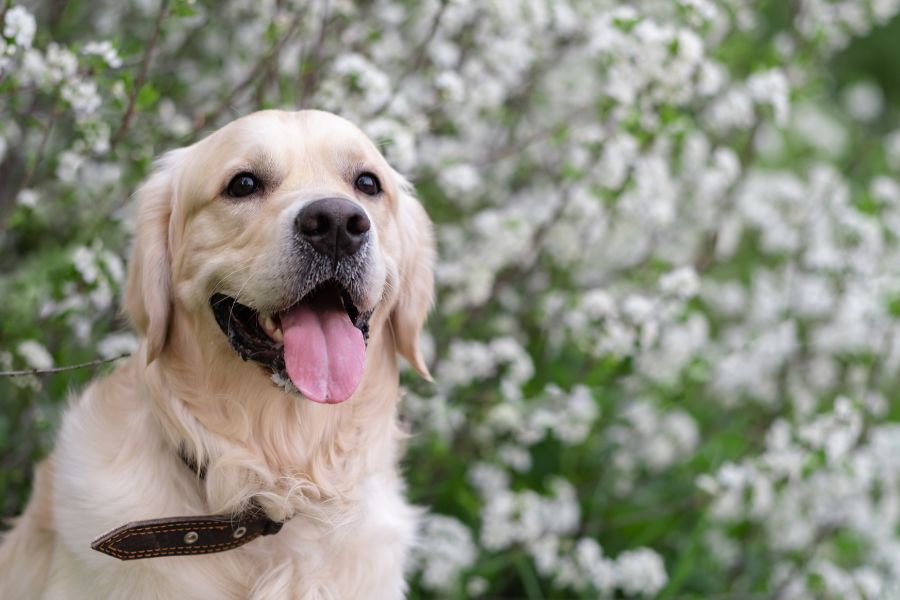
1. Golden Retriever
Golden Retrievers are consistently ranked among the most affectionate dog breeds list year after year. They are warm, emotionally intuitive, and deeply bonded to family members of all ages. They are also one of the best dogs for snuggling after a long day because they match your energy, calm when you are calm and playful when you are ready.
Pet owners often tell us that their Goldens follow them into every room without being asked. That is not a coincidence. It is breed instinct. One thing to watch: Goldens bond so deeply that separation anxiety is common. Crate training early and building independence skills in puppyhood matters.
2. Cavalier King Charles Spaniel
The Cavalier was literally bred to warm the laps of British royalty. Nothing about that job description has changed. They are small, silky, and almost magnetized to whoever is sitting still long enough to be sat upon.
In our experience, Cavaliers are among the most emotionally sensitive dogs we see. They pick up on owner stress and respond by pressing closer. This breed is ideal for quieter homes or individuals who spend significant time at home. One important note for Cavalier owners: this breed has a higher-than-average predisposition to cardiac issues. Annual heart screenings are strongly recommended, especially after age five.
3. Bichon Frise
The Bichon Frise is a cheerful, affectionate little dog that adapts well to nearly any living situation. They are hypoallergenic, low-shedding, and remarkably people-focused. Bichons do not do well with long stretches of alone time and will let you know about it.
They are a genuine lapdog for families because they tolerate children well and love the chaos of an active household, as long as they are included in it. Their small size makes them easy travel companions, which suits owners who like to bring their dog along.
4. Pug
Pugs are committed companions. They follow their people relentlessly, prefer to sleep touching you, and have a gift for positioning themselves at the center of whatever you are doing. They are not a high-energy breed, which makes them excellent couch partners.
They do have some health considerations that owners should understand before committing. Their flat faces make them prone to breathing issues, especially in heat and humidity. In Florida’s climate, Pugs need air-conditioned environments and limited outdoor exertion during peak heat hours. Routine veterinary care for dogs of this breed often includes respiratory monitoring and weight management.
5. Labrador Retriever
Labs are the most registered dog breed in the United States for good reason. They combine a high drive to please with a naturally gentle, sociable temperament. They are enthusiastic cuddlers in puppyhood and tend to carry that warmth into adulthood, though they are big enough to make their presence known on the couch.
Labs are one of the best dogs for snuggling in families with kids because they are patient and sturdy. They do need daily exercise to stay balanced. A tired Lab is a calm, affectionate housemate. An under-exercised lab is a different story.
6. Shih Tzu
Shih Tzus were bred exclusively as palace companion dogs in ancient China. Their entire purpose was human closeness. That purpose shows. They are calm, attentive, and content to sit with you for hours without wanting anything more than your company.
They are well-suited for apartment living and older owners because their exercise needs are modest. Their long coats require consistent grooming, but their temperament rewards the effort. We frequently remind our clients that Shih Tzus thrive on routine and gentle handling.
7. Bernese Mountain Dog
The Berner is proof that big dogs can be the softest cuddlers. These gentle giants are calm, loyal, and deeply attached to their families. They are not clingy in an anxious way they simply prefer to be in the same room as you, preferably with their large head resting somewhere on your body.
Many pet owners are surprised to learn that Berners, despite their working dog background, are remarkably laid-back indoors. They do well in homes with yards but adapt to calmer home environments. Their lifespan is shorter than smaller breeds, so early bonding and proactive health screenings matter.
8. Maltese
The Maltese has been a lapdog for more than two thousand years. Ancient Greeks, Romans, and Egyptians all kept them as companion animals. That long history of close human contact has produced a dog that is almost physically incapable of being indifferent to its owner.
They are small, elegant, and intensely people-focused. They are an excellent lapdog for families in smaller homes or apartments. Their white coats need daily brushing, and they can be prone to dental issues routine dental checkups are an important part of their care.
What to Consider Before Choosing a Cuddle-Prone Breed
Affectionate breeds come with specific needs. Before choosing based on cuddle factor alone, consider these points:
- Separation tolerance: Most Velcro breeds struggle when left alone for long workdays. If your schedule keeps you out of the house for eight or more hours, plan for dog walkers, doggy daycare, or a second dog.
- Grooming commitment: Many of the breeds above, including the Maltese, Shih Tzu, and Bichon, have high-maintenance coats. Factor in grooming time and cost.
- Health predispositions: Each breed above has documented health tendencies. Cavaliers and cardiac health, pugs and respiratory function, and Berners and joint issues. Know what you are signing up for.
- Energy match: Goldens and Labs need daily exercise. Pugs and Maltese do not. Match the dog’s energy level to your lifestyle, not just their snuggle reputation.
- Size and space: A Bernese Mountain Dog in a studio apartment is not impossible, but it requires planning. Smaller breeds are more naturally suited to compact living.
Tequesta Veterinary Clinic recommends scheduling a meet-and-greet with the breed before committing. Temperament within a breed still varies by individual dog, upbringing, and socialization history.
Keeping Your Cuddle Companion Healthy for the Long Haul
Choosing an affectionate breed is the beginning, not the end. These dogs bond deeply, which means they are also sensitive to changes in routine, stress in the household, and lapses in their own health. Keeping your dog well means regular wellness exams, staying current on preventive care, and addressing any behavioral changes early.
Many of these breeds are prone to anxiety when their health declines, simply because they are so attuned to feeling good and being close to their people. Catching problems early through annual checkups makes a real difference in their quality of life.
The cuddle companion dog breeds in this guide all share one trait that goes beyond softness or size. They need connection. When that connection is supported by good health, the bond between you and your dog deepens every year. At Tequesta Veterinary Clinic, we are here to help you give your companion the care they deserve at every stage of life. Book an appointment today.
Frequently Asked Questions
Q: What dog breed is the best cuddler?
Ans: The Cavalier King Charles Spaniel, Golden Retriever, and Maltese are consistently ranked among the top cuddling breeds. Each was bred specifically for close human companionship and actively seeks physical contact with their owners.
Q: Are small dogs more affectionate than large dogs?
Ans: Not necessarily. Temperament varies more by breed history and individual personality than by size. Bernese Mountain Dogs and Labrador Retrievers are large breeds that are just as affectionate as any small lap dog.
Q: Do cuddly dog breeds have separation anxiety?
Ans: Many do. Breeds that bond deeply, including Goldens, Cavaliers, and Bichons, are more prone to separation anxiety when left alone for extended periods. Early training and gradual alone-time conditioning can help manage this.
Q: Are affectionate dog breeds good with kids?
Ans: Most of the breeds in this list do well with children, particularly Labrador Retrievers, Golden Retrievers, and Bernese Mountain Dogs. Smaller breeds like the Maltese and Shih Tzu can be fragile around very young children and do better with gentle, older kids.
Q: How often should affectionate dog breeds see a vet?
Ans: Annual wellness exams are the baseline for healthy adult dogs. Breeds with known health predispositions, such as Cavaliers (cardiac) or Pugs (respiratory), may benefit from more frequent screenings. Your veterinarian can build a schedule based on your dog’s breed, age, and health history.