

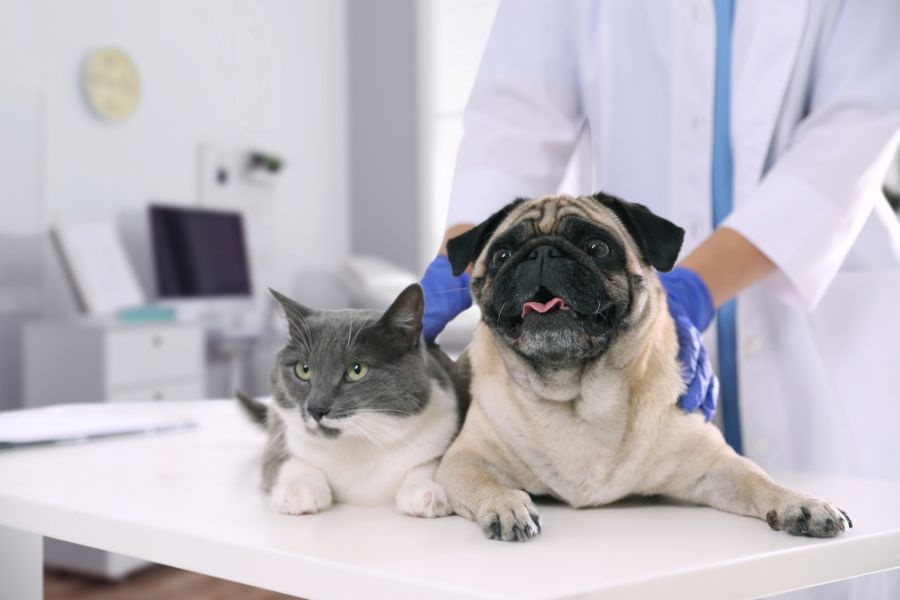
Most pet owners know their dog or cat needs an annual vet visit. Far fewer know exactly what happens during that appointment or why skipping even one year can matter. A pet wellness exam that pet owners schedule every year is not a formality. It is a structured, head-to-tail evaluation designed to catch disease early, update preventive care, and give your veterinarian the running health history needed to spot changes before they become crises. Every exam builds on the last. Patterns in weight, bloodwork, heart sounds, and dental condition only become visible over time. This guide walks through what your veterinarian actually evaluates during a wellness visit, why each component matters, and how Florida’s unique climate makes consistent annual care especially important for pets living in Palm Beach County and the surrounding area.
What Is a Pet Wellness Exam and What Does It Cover?
A pet wellness exam that Tequesta veterinarians perform is a comprehensive physical evaluation of every major body system. It is not a sick visit. It is a proactive health assessment conducted while your pet appears healthy, specifically to find what is not yet visible to you at home.
Your veterinarian works through a systematic evaluation that includes body weight and condition score, eyes, ears, nose, mouth and teeth, throat, lymph nodes, heart, lungs, abdomen, skin and coat, limbs and joints, and neurological reflexes. Each area tells a different piece of the health story. A heart murmur detected at grade two sounds very different from one that has progressed to grade four. The only way to know the difference is to listen every year.
In our experience, the conditions most frequently caught during routine wellness exams are ones the pet owner had no suspicion of: early-stage kidney disease, dental infections below the gumline, heart murmurs, thyroid imbalances in cats, and lumps that warrant prompt biopsy. None of these announced themselves with obvious symptoms.
What Happens Step by Step During a Yearly Pet Exam
Knowing what happens during pet checkup appointments helps owners arrive prepared and leave with a clear understanding of their pet’s health status. Here is how a standard annual wellness visit flows:
- Weigh-in and vitals: A veterinary technician records your pet’s weight, temperature, pulse, and respiration rate. These baseline numbers are compared to prior visits to identify trends.
- Health history intake: The technician asks about changes in appetite, water consumption, elimination habits, energy level, and any behavioral shifts you have noticed since the last visit.
- Physical examination: The veterinarian performs the full nose-to-tail assessment, narrating findings as they go so you understand what is being evaluated and what has been found.
- Dental evaluation: Teeth, gums, and the oral cavity are assessed for tartar buildup, gum recession, tooth fractures, and signs of infection. This is often where significant findings are made.
- Parasite screening: A fecal sample tests for intestinal parasites. Heartworm testing is typically included for dogs, and your vet will assess current preventive coverage.
- Vaccine review: Your veterinarian reviews vaccination history and administers or schedules any boosters appropriate for your pet’s age, lifestyle, and health status.
- Bloodwork discussion: For adult and senior pets, your vet will discuss whether a blood panel and urinalysis are recommended based on age and findings from the physical exam.
- Care plan and questions: The visit closes with a summary of findings, any recommended follow-up, and dedicated time for every question you brought with you.
Why Annual Vet Exams Matter for Pets
Veterinary wellness visit schedules carry added importance because of the state’s climate. Year-round heat and humidity create conditions that accelerate several common health risks for dogs and cats living in Tequesta and Palm Beach County.
Heartworm disease is transmitted by mosquitoes, and Florida has no true off-season for mosquito activity. The American Heartworm Society recommends year-round heartworm prevention for all dogs and consistent annual testing to confirm the prevention is working. A single missed dose in a region with year-round mosquito exposure is a meaningful risk, not a minor gap.
Fleas and ticks are similarly active twelve months a year in our area. Tick-borne diseases, including Lyme disease, ehrlichiosis, and anaplasmosis, are documented in Florida pets, and a wellness exam is the right time to evaluate current prevention and test for prior exposure if indicated.
Fungal and bacterial skin infections spike in humid months. Many dogs we see in the summer and early fall are dealing with recurrent skin conditions that respond well to management once the underlying pattern is identified at a wellness visit.
One of the most common misconceptions we encounter is that an indoor cat does not need annual exams because it is not exposed to the outdoors. In reality, indoor cats are still at risk for hyperthyroidism, kidney disease, dental disease, obesity, and diabetes, all of which are best caught during routine annual evaluation rather than after symptoms appear.
What a Yearly Pet Exam Reveals That You Cannot See at Home
The yearly pet exam’s importance becomes clearest when you understand what a trained veterinarian detects that an observant owner at home simply cannot. Early heart murmurs are inaudible without a stethoscope. Dental root infections are invisible without probing and radiography. A palpable abdominal mass can be confirmed by hand before it causes any behavioral change in your pet.
Blood panels reveal organ function trends that only become meaningful when compared across multiple visits. A creatinine value that is technically within the normal reference range but has risen steadily over three consecutive annual exams is an early warning of progressive kidney disease. That finding is only possible because the prior values exist in the patient record.
The American Animal Hospital Association (AAHA) recommends annual wellness exams for healthy adult pets and twice-yearly exams for senior animals. Those recommendations exist because the biology of companion animals changes faster than human biology at equivalent life stages. One calendar year for a dog or cat can represent multiple years of physiological change.
Research consistently supports that pets receiving annual wellness care live longer on average than those seen only during illness. Early intervention is less invasive, less expensive, and more effective than treatment of advanced disease. The annual exam is how early intervention becomes possible.
Choosing Where to Schedule Your Pet Wellness Exam Near You
Annual vet exam pet owners schedule should be at your nearest veterinary clinic, where the team takes time to listen, explain findings clearly, and build a relationship with both you and your pet over the years of consistent care. That continuity matters. A veterinarian who has examined your dog or cat every year for five years notices subtle changes that a new provider seeing your pet for the first time cannot.
Look for a clinic that offers in-house diagnostics, thorough dental evaluation, and a veterinarian who welcomes your questions at every visit. Transparency about what was found, what it means, and what the options are is the mark of a practice focused on your pet rather than on moving through appointments quickly.
Tequesta Veterinary Clinic provides comprehensive annual wellness care for dogs and cats in Tequesta and the surrounding Palm Beach County communities, with a team committed to building the kind of long-term patient relationships that make early detection possible.
Conclusion
A thorough pet wellness exam, scheduled every year for Tequesta pet owners, is the single most effective tool available for keeping your dog or cat healthy long-term. Each visit builds a medical history, catches problems early, updates preventive care, and gives you a trusted partner who knows your pet across every life stage. Florida’s climate makes consistent annual care even more critical for heartworm prevention, parasite protection, and skin health. Do not wait for something to seem wrong before making that appointment. Tequesta Veterinary Clinic is here to provide the attentive, complete wellness care your pet deserves every year. Book an appointment today.
Frequently Asked Questions
What does a pet wellness exam include?
Ans: A pet wellness exam includes a full nose-to-tail physical evaluation covering weight, eyes, ears, teeth, heart, lungs, abdomen, skin, and joints. It also includes parasite screening, vaccine review, heartworm testing for dogs, and a discussion of whether bloodwork is recommended based on your pet’s age and findings.
How often should my pet have a wellness exam?
Ans: The American Animal Hospital Association Ans: recommends annual wellness exams for healthy adult dogs and cats, and twice-yearly exams for senior pets. Florida’s year-round parasite season makes consistent annual heartworm testing and prevention review especially important, regardless of how healthy your pet appears.
Does my indoor cat really need an annual vet visit?
Ans: Yes. Indoor cats are still at significant risk for hyperthyroidism, kidney disease, dental disease, obesity, and diabetes. These conditions develop silently and are best caught during routine annual exams rather than after symptoms appear. Regular wellness visits are as important for indoor cats as they are for dogs with outdoor exposure.
What should I bring to my pet’s annual wellness exam?
Ans: Bring a fresh fecal sample in a sealed bag, a list of any behavioral or physical changes you have noticed, your pet’s current food brand and daily amount, and any prior records if you are visiting a new clinic. A written question list ensures you get answers to everything on your mind before leaving.
What is the difference between a wellness exam and a sick visit?
Ans: A wellness exam is a scheduled proactive evaluation performed when your pet appears healthy, focused on early detection and preventive care. A sick visit addresses a specific symptom or concern. Both are important, but wellness exams are what make early detection possible before symptoms develop.