

When a cat swallows something it shouldn’t, the situation can quickly become life-threatening. From small toys to string or bones, foreign objects can cause serious intestinal blockages that require urgent medical care. In this guide, we’ll explain the symptoms of cat intestinal blockage, when cat foreign body surgery is needed, and what to expect during cat blockage surgery recovery so you can act fast and protect your cat’s health.
What Is Foreign Body Surgery in Cats?
Cat foreign body surgery is a procedure performed to remove objects that your cat has swallowed but cannot digest or pass naturally. These objects can get stuck in the stomach or intestines, causing a blockage.
Common items cats swallow include:
- String, yarn, or thread
- Hair ties and rubber bands
- Small toys or plastic pieces
- Bones or food packaging
In coastal areas, vets often see cases where cats ingest fishing lines or small marine debris, especially in outdoor cats.
When these items block the digestive tract, they prevent food and fluids from moving properly, leading to a serious medical emergency.
Why Intestinal Blockages Are Dangerous
A blockage in your cat’s digestive system is not just uncomfortable; it can be fatal if untreated.
Here’s why:
- Restricted blood flow to intestines can cause tissue death
- Toxin buildup in the body leads to severe illness
- Risk of intestinal rupture, causing life-threatening infection
Without prompt cat foreign body surgery, your cat’s condition can deteriorate within 24–72 hours.
How to Tell If Your Cat Swallowed Something
Recognizing early signs of a cat’s intestinal blockage can save your cat’s life.
Key Symptoms to Watch For:
- Frequent vomiting (sometimes with no food)
- Loss of appetite
- Lethargy or hiding behavior
- Abdominal pain (hunched posture, sensitivity when touched)
- Constipation or inability to pass stool
- Drooling or gagging
Some cats may also show subtle signs like reduced grooming or avoiding interaction.
If you suspect your cat swallowed something, don’t wait. Immediate veterinary evaluation is critical.
Diagnosis: How Vets Confirm a Blockage
Diagnosing a blockage involves a combination of physical exams and imaging.
Common Diagnostic Tools:
- X-rays: Help detect solid objects
- Ultrasound: Identifies soft materials like string
- Blood tests: Check for dehydration and infection
In some cases, exploratory surgery is needed if imaging is inconclusive, but symptoms strongly suggest a blockage.
When Is Cat Foreign Body Surgery Necessary?
Not all swallowed objects require surgery. Some may pass naturally or be removed via endoscopy.
However, a cat foreign body surgery is required when:
- The object is stuck and not moving
- There is a complete blockage
- The cat shows worsening symptoms
- There’s a risk of intestinal damage or tearing
Linear objects (like a string) are especially dangerous because they can bunch up the intestines and cause severe internal injury.
The Surgical Procedure: What Happens During Surgery
Understanding the procedure can ease your concerns.
Steps Involved:
- Anesthesia: Your cat is safely sedated
- Incision: A small cut is made in the abdomen
- Object removal: The vet locates and removes the blockage
- Repair: Damaged tissue is treated if necessary
- Closure: The incision is stitched and bandaged
Surgery typically lasts 1–2 hours, depending on the complexity.
Cat Blockage Surgery Recovery: What to Expect
Cat blockage surgery recovery is a crucial phase that requires attentive care at home.
Immediate Post-Surgery Care:
- Hospital monitoring for 24–72 hours
- IV fluids to maintain hydration
- Pain management and antibiotics
At-Home Recovery Tips:
- Restrict movement (no jumping or running)
- Feed small, easily digestible meals
- Monitor the incision site for swelling or discharge
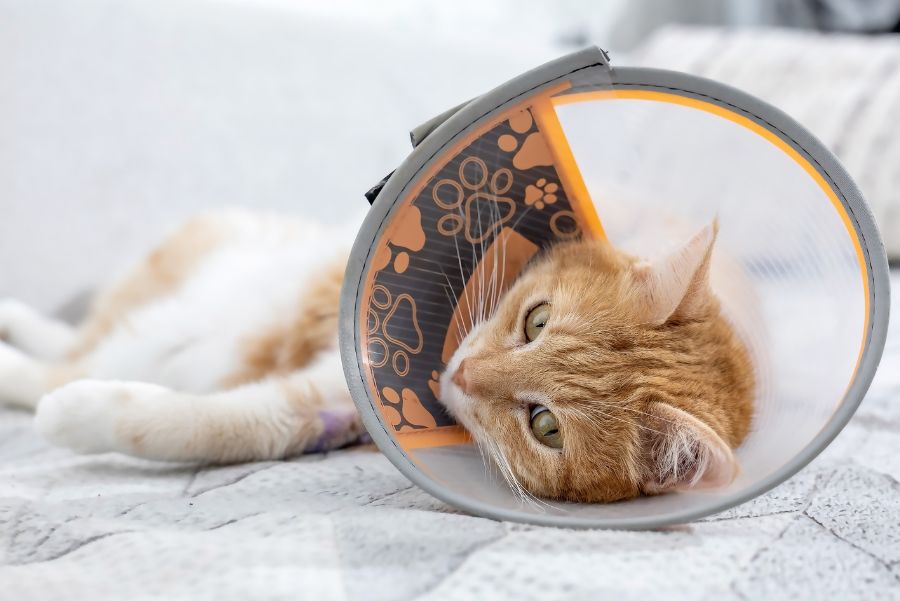
- Prevent licking using an e-collar
Recovery Timeline:
- First 3 days: Low energy, gradual improvement
- 1–2 weeks: Appetite and activity return
- 10–14 days: Sutures removed, near full recovery
Most cats recover well if treated early and properly.
Potential Complications to Watch For
While most surgeries are successful, complications can occur.
Warning Signs After Surgery:
- Persistent vomiting
- Swelling or discharge at the incision
- Loss of appetite beyond 48 hours
- Fever or lethargy
If you notice any of these, contact your nearest vet immediately.
How to Prevent Future Incidents
Prevention is always better than surgery.
Simple Steps to Protect Your Cat:
- Keep small objects out of reach
- Avoid leaving a string or thread unattended
- Supervise playtime with toys
- Store trash securely
- Choose safe, durable cat toys
For pet owners, it’s also important to be mindful of outdoor hazards like fishing gear or beach debris.
When to Call the Vet Immediately
Seek emergency care if:
- Your cat is vomiting repeatedly
- There’s a sudden loss of appetite
- You witnessed your cat swallow a foreign object
- Your cat shows signs of pain or distress
Early intervention can often reduce the need for invasive surgery.
Conclusion:
Foreign object ingestion is one of the most urgent conditions veterinarians treat in cats. Recognizing the signs early and acting quickly can make all the difference. Whether it’s diagnosing cat intestinal blockage symptoms or guiding you through cat blockage surgery recovery, timely care is critical for your pet’s survival.
At Tequesta Veterinary Clinic, we’re committed to providing expert, compassionate pet surgical care in Tequesta for your feline companions. If you suspect your cat swallowed something or is showing unusual symptoms, don’t wait. Schedule an appointment with us today and ensure your cat gets the life-saving care they need.
FAQs:
Q1: How do I know if my cat swallowed something dangerous?
Ans: Look for vomiting, loss of appetite, lethargy, and abdominal pain. These are common signs of blockage and require immediate veterinary attention.
Q2: Can a cat pass a foreign object without surgery?
Ans: Yes, small objects may pass naturally, but larger or sharp items usually require your cat’s foreign body surgery to prevent complications.
Q3: How long does cat blockage surgery recovery take?
Ans: Most cats recover within 10–14 days, though full recovery depends on the severity of the blockage and overall health.
Q4: Is foreign body surgery risky for cats?
Ans: While all surgeries carry some risk, early intervention significantly improves outcomes and reduces complications.
Q5: What should I feed my cat after blockage surgery?
Ans: Vets usually recommend soft, easily digestible food in small portions to support healing and prevent digestive strain.