
Ear infections in dogs and cats are more common than you might think — and they can cause serious discomfort if left untreated. From head shaking to constant ear scratching, your pet’s behavior often reveals their pain. In this guide, you’ll learn how to recognize pet ear infection symptoms, find safe pet ear infection treatments, and get expert advice on preventing ear infections in pets from the expert Veterinarian in Tequesta, FL.
Understanding Ear Infections in Pets
A dog or cat ear infection occurs when bacteria, yeast, or parasites invade the ear canal, leading to inflammation, itching, and discharge. These infections can affect the outer ear (otitis externa), middle ear (otitis media), or inner ear (otitis interna).
Common causes include:
- Moisture trapped in the ear after swimming or bathing
- Allergies (food or environmental)
- Ear mites or parasites
- Excess wax buildup
- Foreign objects in the ear canal
- Underlying skin conditions
Some breeds — especially dogs with floppy ears like Cocker Spaniels or Basset Hounds — are more prone to ear infections due to limited air circulation.
Signs of a Pet Ear Infection You Shouldn’t Ignore
Recognizing early signs helps prevent your pet’s discomfort from worsening. Whether it’s a dog or a cat ear infection, watch for these symptoms:
Common symptoms include:
- Frequent head shaking (dog shaking head ear infection)
- Scratching or pawing at the ear (cat constantly scratching ear)
- Redness, swelling, or foul odor from the ear
- Discharge (brown, yellow, or bloody)
- Sensitivity or pain when touching the ear
- Hearing loss or balance issues in severe cases
If you notice these signs, schedule a vet appointment immediately to prevent chronic infections or deeper ear damage.
Diagnosing Pet Ear Infections at the Vet
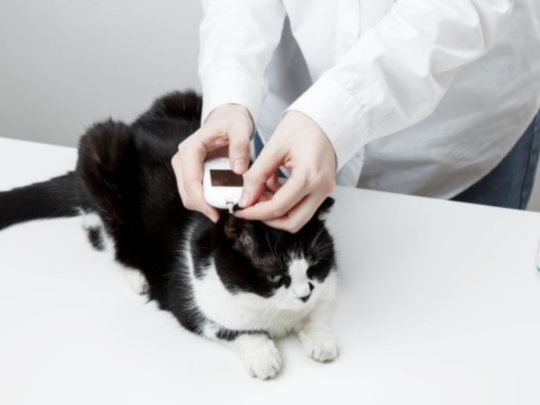
Your veterinarian will perform a thorough ear exam using an otoscope to look inside your pet’s ear canal. They may also:
- Take a swab sample to check for bacteria, yeast, or mites.
- Recommend allergy or blood tests for recurring infections.
- Evaluate the eardrum and rule out foreign bodies.
Early diagnosis ensures that your pet receives the right pet ear infection treatment before it spreads or becomes painful.
Effective Treatment Options for Pet Ear Infections
Treatment depends on the cause and severity of the infection. Common pet ear infection treatments include:
- Prescription ear drops or antibiotics: To fight bacterial or yeast infections.
- Anti-inflammatory medications: To relieve pain and swelling.
- Ear mite treatments: If parasites are to blame.
- Allergy management: To prevent recurrent ear irritation.
For chronic or severe cases, professional ear cleaning or minor surgery may be required to clear the infection fully. Never use over-the-counter medications or home remedies without veterinary guidance — they can worsen the condition.
How to Clean Dog and Cat Ears Safely
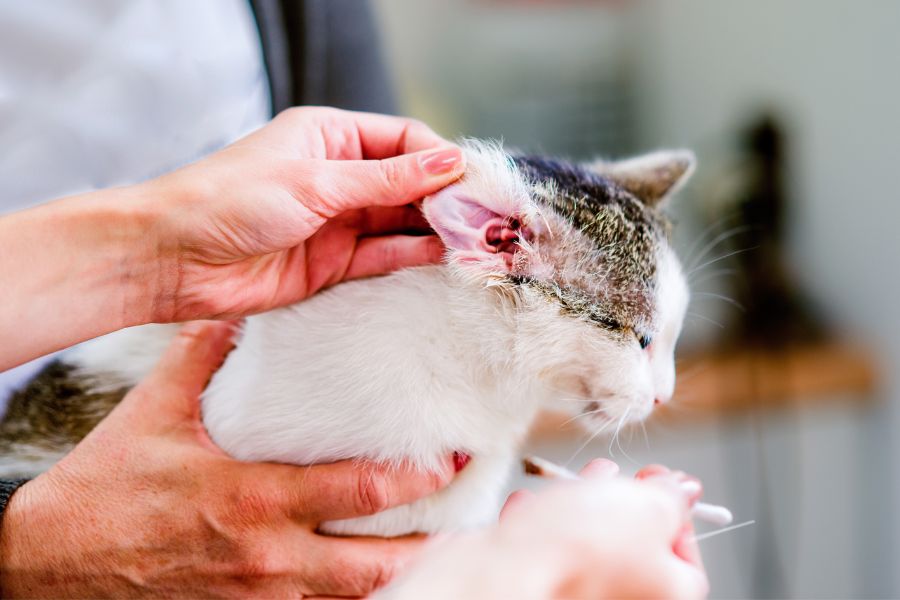
Routine cleaning can prevent infection, but it’s important to clean dog ears safely and avoid damaging delicate ear tissue.
Steps to clean your pet’s ears:
- Use a vet-approved ear cleaning solution.
- Gently lift the ear flap and pour a few drops of cleaner inside.
- Massage the base of the ear for 20–30 seconds to loosen debris.
- Let your pet shake their head, then wipe the outer ear with a soft cotton pad.
- Never insert cotton swabs deep into the ear canal.
Cleaning once every 2–4 weeks — or more often for breeds prone to infections — helps maintain healthy ears.
Preventing Ear Infections in Pets
Prevention is key to long-term ear health. Here are ways to prevent ear infections in pets:
- Keep ears dry after swimming or baths.
- Clean regularly with vet-approved products.
- Check for ear mites or wax buildup.
- Manage allergies with your vet’s help.
- Trim hair around ears for better airflow.
- Schedule regular vet visits for early detection.
By following these steps, you can protect your pet’s ears and reduce the risk of painful infections.
When to Visit an Animal Hospital in Tequesta
If your dog or cat shows signs of ear discomfort — from head shaking to foul-smelling discharge — don’t wait. Infections can worsen quickly without proper treatment. The team at Tequesta Veterinary Clinic provides thorough diagnostics, gentle ear cleaning, and personalized pet ear infection treatments to help your furry friend feel better fast.
Ear infections in pets can cause real discomfort, but with early detection and proper care, your pet can recover quickly and stay healthy. Watch for signs like scratching, head shaking, or redness — and always trust your veterinarian for diagnosis and treatment.
FAQs:
Q1: What causes ear infections in dogs and cats?
Ans: Ear infections are often caused by bacteria, yeast, ear mites, or allergies that lead to inflammation and trapped moisture in the ear canal.
Q2: How can I tell if my dog has an ear infection?
Ans: Watch for head shaking, ear scratching, redness, or a strong odor. These are clear signs of a dog ear infection that needs vet attention.
Q3: Is it safe to clean my pet’s ears at home?
Ans: Yes, but only with vet-approved solutions. Avoid inserting cotton swabs deep into the ear to prevent injury.
Q4: How long does it take for a pet’s ear infection to heal?
Ans: Most infections improve within 1–2 weeks with proper treatment, though chronic cases may require ongoing care.
Q5: Can ear infections be prevented?
Ans: Regular cleaning, keeping ears dry, and managing allergies can significantly prevent ear infections in pets.