

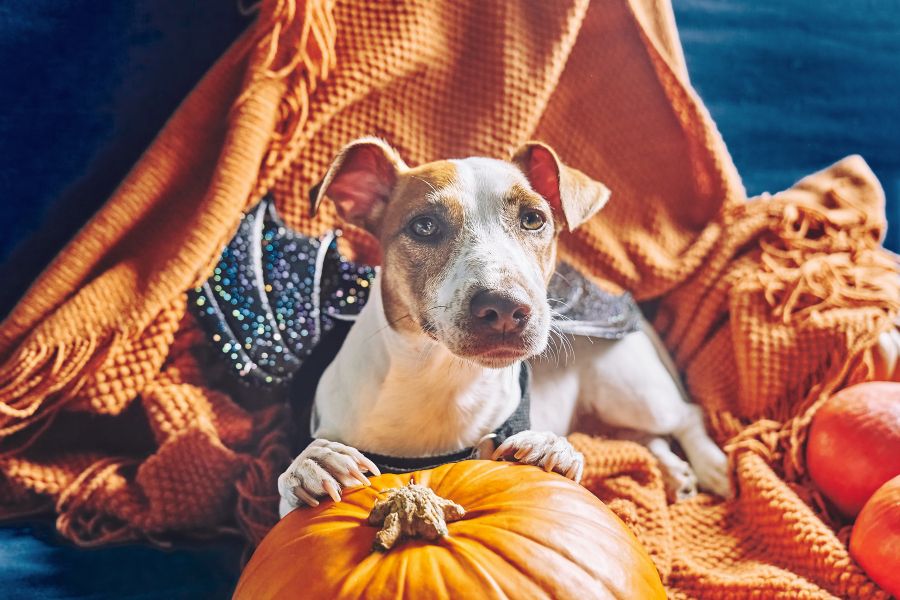
Halloween is a fun and festive season filled with glowing pumpkins, flickering candles, and spooky decorations. But while these decorations add charm, they can pose serious risks to pets. Open flames and candles are a leading cause of pet-related fire accidents during holidays. This article explores how to keep your furry companions safe, covering key Halloween pet safety tips and safe decoration alternatives to prevent dog and cat fire hazards in your home.
Why Halloween Decorations Pose Hidden Dangers for Pets
Halloween brings excitement — but also hazards for curious pets. Dogs and cats are naturally drawn to new sights, smells, and movements. Decorations like open candles, jack-o’-lanterns, and scented wax warmers can tempt pets to investigate.
Common risks include:
- Burn injuries: Pets can accidentally touch or knock over candles.
- Fires: A single wagging tail or curious paw can start a fire.
- Smoke inhalation: Burning decorations can emit toxic fumes harmful to small animals.
Even electric decorations can pose dangers through cords and batteries. Awareness is the first step in ensuring a safe Halloween for pets.
Candle Safety for Pets — The Biggest Halloween Hazard
Open flames are beautiful but unpredictable around animals. Cats may leap near flickering lights, while dogs’ wagging tails can easily swipe over a candle.
Why open flames are risky:
- Unpredictable movement: Pets can tip candles in seconds.
- Flammable fur: A brief brush against a flame can ignite fur.
- Toxic fumes: Scented candles and wax melts often contain essential oils that are unsafe for animals.
Safer alternatives include:
- Battery-operated LED candles — look realistic without the danger.
- Glow sticks or fairy lights — create a festive atmosphere safely.
- Pumpkin lights — safer for illuminating jack-o’-lanterns than open flames.
By choosing pet-safe lighting, you prevent potential burns and fires, ensuring both beauty and safety this Halloween.
How to Make Your Halloween Décor Pet-Safe
Decorating for Halloween doesn’t mean you have to sacrifice safety. A few mindful choices can make your home festive and hazard-free.
Tips for safe Halloween décor:
- Avoid open flames. Use flameless candles or LED lights.
- Keep decorations out of reach. Hang them high to prevent chewing or tangling.
- Skip toxic plants. Some Halloween flowers and foliage can be poisonous to pets.
- Secure cords and wires. Use cord covers or tape to avoid electrical shocks.
- Choose pet-friendly scents. Avoid essential oils like tea tree, cinnamon, or clove, which can irritate pets.
Creating safe Halloween décor for pets doesn’t take much effort — just awareness and preparation.
What to Do If Your Pet Is Exposed to Fire or Burns
Even with precautions, accidents can happen. Quick action can save your pet from serious injury.
If your pet is burned:
- Extinguish flames immediately with water or a damp cloth.
- Cool the burn with cold (not ice-cold) water for 5–10 minutes.
- Do not apply ointments or creams meant for humans.
- Contact your vet immediately. Burns can cause internal injuries or shock.
If smoke or inhalation occurs:
- Move your pet to fresh air.
- Watch for coughing, drooling, or rapid breathing.
- Seek emergency veterinary care right away.
If you’re searching for vet clinics near me, ensure you know your nearest emergency vet’s number before Halloween festivities begin.
Creating a Calm and Safe Space for Pets on Halloween Night
With constant doorbell rings and trick-or-treaters, Halloween can overwhelm pets. Loud noises and costumes can trigger anxiety or fear-driven accidents.
Pet safety strategies for the night:
- Create a quiet zone: Keep your pet in a separate room away from noise.
- Play soft music: Helps mask outdoor sounds.
- Keep pets indoors: Prevent escapes caused by fear or confusion.
- Use identification tags: If your pet slips out, tags and microchips ensure they return safely.
Calm pets are less likely to knock over candles or run into décor — keeping everyone safe.
Halloween Treats and Pet Safety — An Overlooked Fire Risk
Many pet owners overlook food-related fire risks. Wrappers and plastic decorations near open flames can ignite quickly.
Additional safety reminders:
- Keep candy, chocolate, and wrappers far from pets.
- Dispose of food waste promptly.
- Avoid decorative candles near food tables or pet feeding areas.
By minimizing clutter and open flames, you reduce both fire hazards for dogs and cats and prevent accidental ingestion of harmful items.
How Veterinarians Help With Pet Fire and Burn Emergencies
Veterinarians play a crucial role in treating pets injured by fire or burns. Vet clinics can provide oxygen therapy, pain management, and wound care to aid recovery.
When to seek professional help:
- If your pet’s fur or skin is singed or blistered.
- If your pet shows signs of smoke inhalation (coughing, lethargy).
- If your pet’s breathing seems abnormal after exposure.
Even minor burns should be examined to prevent infection or deeper tissue damage. If you live in Tequesta, contact a trusted veterinary clinic for guidance and emergency assistance.
This Halloween, ensure your celebration is both festive and safe. By replacing open flames with flameless alternatives, keeping décor out of reach, and knowing emergency vet contacts, you can prevent dangerous dog and cat fire hazards. Protecting your pets from open flame and candle risks ensures a stress-free holiday for everyone — right here in Tequesta.
FAQs
Q1: Are scented candles safe for dogs and cats?
Ans: No. Many scented candles contain essential oils or chemicals that can irritate pets’ lungs or cause poisoning. Opt for unscented or flameless versions instead.
Q2: What should I do if my pet knocks over a candle?
Ans: Extinguish the flame, check your pet for burns, and ensure no fire has started. Contact your vet immediately if there’s any sign of injury.
Q3: Can LED candles really replace real ones for Halloween décor?
Ans: Yes! LED candles and fairy lights mimic real candlelight beautifully — without the heat, smoke, or fire danger.
Q4: Are wax warmers safe around pets?
Ans: Not always. Curious pets can spill hot wax, leading to burns. Keep wax warmers well out of reach or choose alternative lighting.
Q5: How can I find vet clinics near me on Halloween night?
Ans: Search online for “vet clinics near me” or keep your local emergency vet’s contact saved.