

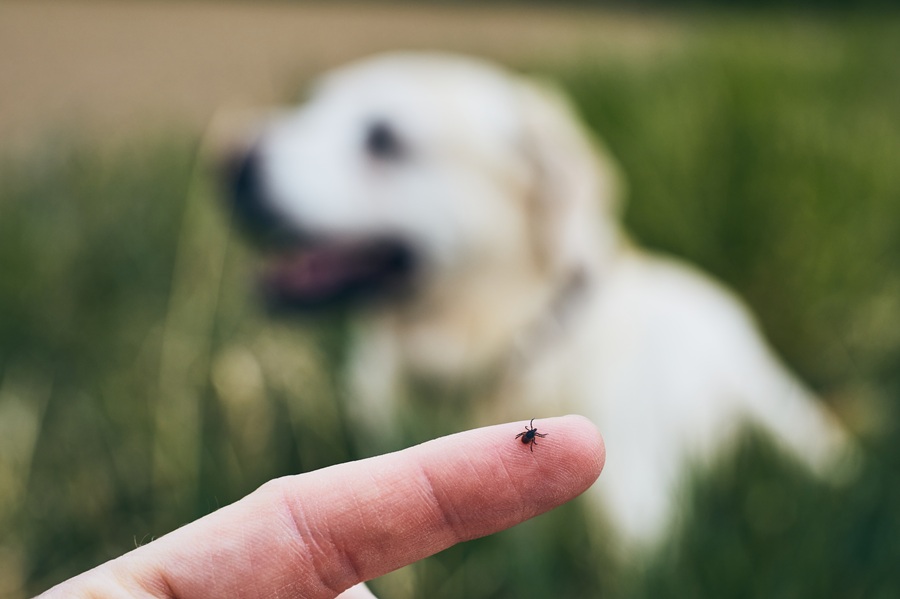
Parasites may be tiny, but the damage they cause to your pet’s health can be massive. Fleas, ticks, and heartworms don’t just make your companion uncomfortable—they can also trigger life-threatening diseases if left unchecked. That’s why prevention matters more than ever. By working with a veterinarian, you can safeguard your furry friend’s health and keep them happy year-round.
The Hidden Threat of Fleas
Fleas may seem like a nuisance, but their impact goes far beyond itchy skin. These tiny pests feed on blood, which can cause anemia in smaller pets or kittens. Additionally, flea bites often spark allergic reactions, leading to intense scratching, hot spots, and even hair loss. Worse still, fleas carry tapeworms and dangerous bacteria that affect both pets and people.
The best way to fight fleas is with a proactive approach. Treatments such as monthly topical applications, oral medications, or long-lasting flea collars provide strong protection. However, always consult your veterinarian before choosing the right product to make sure it fits your pet’s individual needs and lifestyle.
Ticks: Small Pests, Big Dangers
Ticks might be slow-moving, but they carry serious illnesses like Lyme disease, ehrlichiosis, and Rocky Mountain spotted fever. These diseases not only weaken your pet but can also spread to humans, making tick prevention a matter of household safety.
Check your pet’s fur and skin daily, especially if they spend time outdoors near tall grass or wooded areas. Prompt removal of ticks reduces disease transmission, but prevention is always better. Options such as medicated tick preventives, vaccines for Lyme disease, and environmental treatments can significantly lower the risk. A veterinarian Tequesta can recommend a prevention plan tailored for your pet’s activities and exposure levels.
The Silent Killer: Heartworms
Unlike fleas and ticks, heartworms are not visible to the eye. They spread through mosquito bites, silently invading your pet’s bloodstream and damaging the lungs and heart. In many cases, the signs don’t appear until the infection has advanced, and by then, treatment can be risky and costly.
Common symptoms of heartworm disease include coughing, fatigue after mild activity, weight loss, and difficulty breathing. Sadly, if untreated, the condition can be fatal. Prevention here truly is lifesaving. Affordable monthly preventives, including chewable tablets or injections, ensure your pet is guarded against this deadly parasite. Regular testing under the care of your vet is also key because even missed doses of prevention can leave pets exposed.
Year-Round Protection Matters
Some pet parents mistakenly believe parasite prevention is only necessary in warmer months. However, fleas & ticks, and mosquitoes can thrive indoors or survive during cooler seasons too. This makes year-round protection essential, no matter the time of year. By staying consistent with preventives, you close the door on potential infestations before they start.
Partnering With Your Veterinarian
While over-the-counter parasite preventives do exist, not all are safe or effective for every pet. Some products may even cause harmful side effects if used incorrectly or in the wrong dosage. That’s why a Tequesta veterinarian plays such an important role in parasite management. Your vet can recommend safe, effective medication that suits your pet’s age, size, health conditions, and environment. They can also run parasite screenings at annual checkups to ensure your pet is always healthy and parasite-free.
A Healthier, Happier Life Through Prevention
Taking proactive steps against fleas, ticks, and heartworms isn’t just about avoiding annoying bites—it’s about preserving your pet’s quality of life. Consistent prevention means fewer vet visits for illness, less risk of long-term health complications, and more carefree moments with your beloved companion. Choosing prevention today gives you peace of mind for tomorrow.
FAQs
Q1. How often should I give my pet parasite prevention medication?
Ans. Most preventives are given monthly, but some injectable heartworm preventives last longer. Your veterinarian will recommend the right schedule based on your pet’s needs.
Q2. Can indoor pets still get fleas, ticks, or heartworms?
Ans. Yes. Parasites like fleas and mosquitoes can enter the home, and ticks may hitch a ride indoors. Even indoor pets still need protection.
Q3. Is it safe to combine flea, tick, and heartworm preventives?
Ans. Yes, but the combination must be approved by a vet to ensure it’s safe for your pet’s size and health condition.
Q4. How can I tell if my dog has heartworm disease?
Ans. Symptoms may include coughing, tiredness, weight loss, or labored breathing. However, regular testing is critical since early infections often show no signs.
Q5. Are natural remedies effective against parasites?
Ans. While natural remedies may provide some relief, they are not strong enough to replace veterinary-approved preventives. Always rely on medically tested treatments.
Q6. What should I do if I find a tick on my pet?
Ans. Use fine-tipped tweezers to gently remove the tick as close to the skin as possible. Then, disinfect the bite area and contact your veterinarian for guidance.