
Have you ever wondered what you would do if your beloved pet wandered away? It’s a scary thought, but unfortunately, it happens to families across the country every day. Microchipping acts as an invisible shield, ensuring your furry companion can always find their way back home. In this guide, you’ll find everything you need to know about microchipping, its vital role in pet preventative care in Tequesta, and why it’s such a smart choice for responsible pet owners.
What Is a Pet Microchip? Tiny Tech, Huge Peace of Mind
A pet microchip is a tiny device—about the size of a grain of rice—that a veterinarian implants just beneath your pet’s skin, usually between the shoulder blades. Each chip contains a unique identification number. When scanned, this number links to your contact info in a secure, national database.
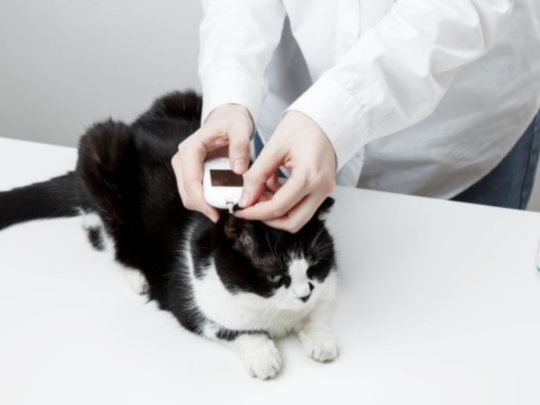
Don’t worry! A microchip isn’t a GPS and doesn’t track your pet’s location. Instead, it serves as a permanent ID. If your pet is ever lost and found, any vet or animal shelter can scan the microchip and help your pet return to you quickly.
The Microchipping Process: Quick, Simple, and Nearly Painless
Worried about the procedure? Rest easy. Implanting a microchip is quick and causes no more discomfort than a routine vaccination. Your vet uses a special syringe to insert the microchip under the skin—no surgery or anesthesia required.
Immediately after implantation, your pet won’t even notice the chip. It’s maintenance-free, lasting for your pet’s entire lifetime. Just remember, after microchipping, you must register your details with the database and keep them updated.
From Home to Everywhere: The Advantages Outshine Tags Alone
Traditional collar tags are great, but they can break, fade, or fall off. Microchipping is an added layer of security that’s always with your pet, rain or shine.
Key benefits include:
- Permanent identification that cannot be altered or removed
- 24/7 protection in any situation, anywhere
- Proof of ownership if disputes arise
- Faster reunions—studies show microchipped pets are far more likely to be returned home
When paired with pet preventative care in Tequesta, microchipping forms a strong strategy to keep your pet safe throughout their life.
Common Myths Busted: Clearing Up Microchip Misconceptions
Let’s set the record straight. Here are some common myths, debunked:
- Myth: Microchips cause pain or health problems
Reality: The process is as gentle as a regular injection. Complications are extremely rare. - Myth: Microchips are expensive
Reality: The cost is minimal—usually less than $75—and it’s a one-time investment for lifetime peace of mind. - Myth: Only dogs need microchips
Reality: Cats, rabbits, and other small mammals can also be microchipped for safety.
Transitioning from these myths, you can see why so many pet parents include microchipping in their pet preventative care routine, especially in communities like Tequesta.
Vital for Pet Preventative Care in Tequesta
Your community’s veterinarians understand the importance of a proactive approach to animal wellness. Microchipping fits seamlessly into comprehensive pet preventative care in Tequesta—alongside vaccinations, checkups, and parasite control. By microchipping your pet, you’re taking a crucial step in keeping them protected, secure, and healthy for years to come.
FAQs: All Your Microchipping Questions—Answered
1. Does microchipping hurt my pet?
No, the procedure is quick and feels similar to a standard vaccine shot.
2. Can the chip help track my pet’s location?
No. Microchips store a unique ID but do not function as GPS devices.
3. How often should I check the chip?
Have your vet scan your pet’s chip each year to ensure it’s working and that your info is up to date.
4. What if I move or change my phone number?
Update your info with the microchip registry right away to ensure a fast reunion in case your pet gets lost.
5. Can the microchip fall out or get damaged?
Rarely. Microchips are designed to stay securely in place, and most last your pet’s whole life.
6. Is microchipping required by law?
While not always required, many shelters and breeders recommend it; some regions or communities may mandate it for pets.
Your Next Step: Protect Their Future, Today
Now that you know the why and how, take the next step. Contact your local veterinarian and discuss adding microchipping to your pet preventative care in Tequesta. It takes just moments to give your pet a lifetime of extra security. And peace of mind? For that, there’s no substitute.