

Veterinary check-ups are more than routine—they’re essential to your pet’s long-term health. While pets can’t tell us what’s wrong, regular wellness exams help detect health problems before they turn serious. Whether you’re new to pet parenting or a seasoned pro, understanding what happens during a visit makes the process easier for both you and your furry friend.
Let’s break down each step of the experience and explain why pet wellness services can be a game-changer for your pet’s health.
First Impressions Matter: The Welcome and Intake
As soon as you walk into the clinic, your pet’s wellness journey begins. The front desk team will likely confirm your pet’s information and medical history. If it’s your pet’s first visit, bring vaccination records and a list of medications or supplements.
Most clinics strive to make this part calm and inviting. Some offer treats or quiet waiting areas to ease anxiety—especially for cats or nervous dogs.
Weight, Temperature, and Vital Signs
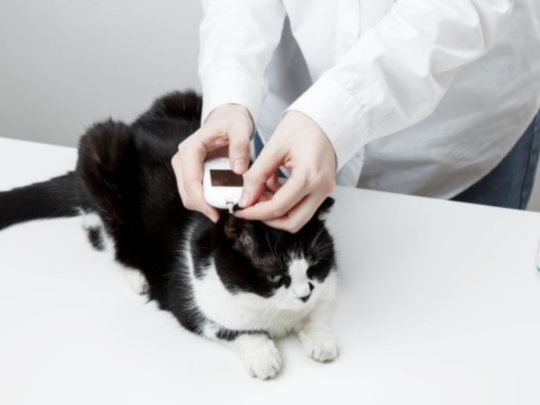
Before seeing the vet, a technician will typically check your pet’s vital signs. These include:
- Body weight
- Body temperature
- Pulse and respiration
- Overall behavior and appearance
These basic indicators help the vet assess if anything seems out of the ordinary right from the start.
A Nose-to-Tail Physical Examination
Next, the veterinarian performs a full physical exam. They’ll gently examine your pet’s:
- Eyes for clarity and discharge
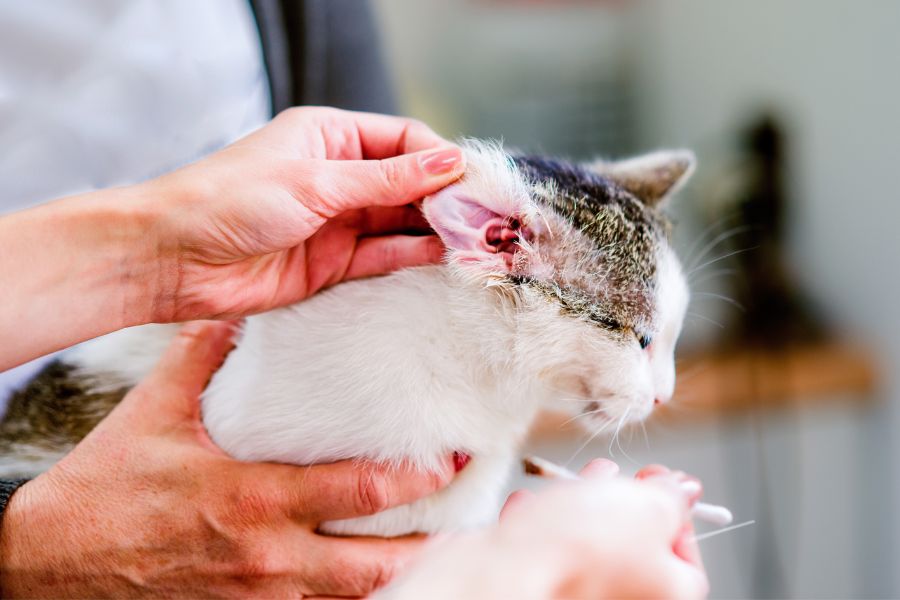
- Ears for signs of infection or wax buildup
- Mouth and gums for dental health and hydration
- Skin and coat for parasites, lumps, or dryness
- Joints and muscles for flexibility and pain
- Heart and lungs for unusual sounds
- Abdomen for swelling or sensitivity
Even if your pet seems fine at home, the vet might notice subtle issues that can be treated early. That’s the value of thorough Pet Wellness Services in Tequesta—they prioritize prevention.
Vaccine Updates and Preventive Medications
Vaccines protect your pet from dangerous diseases like rabies, distemper, and parvovirus. During a check-up, your vet will review your pet’s vaccine schedule and administer any due shots.
They may also recommend preventive treatments like:
- Flea and tick control
- Heartworm prevention
- Deworming (especially in puppies and kittens)
Even indoor pets benefit from these protections, as parasites can hitch a ride indoors on shoes or other animals.
Diet and Nutrition Review
Pets’ dietary needs change with age, weight, activity level, and health conditions. Your vet may ask about:
- What type of food you give your pet
- How often they’re fed
- Treat intake and table scraps
- Any recent changes in appetite or digestion
This conversation is a great time to ask if your pet needs a different type of food or portion size. Many clinics that offer Pet Wellness also provide nutritional counseling as part of your visit.
Behavior and Lifestyle Discussion
If your pet has been acting out, showing aggression, hiding, or displaying unusual behaviors, bring it up during the wellness check. These behaviors often link back to health issues, anxiety, or even boredom.
Your vet may suggest enrichment ideas, training tips, or further evaluation based on your pet’s lifestyle and environment.
Diagnostic Tests: When and Why
Depending on your pet’s age or symptoms, your vet might recommend:
- Bloodwork to check for internal issues
- Urine or fecal tests for infections or parasites
- X-rays or ultrasounds if anything feels abnormal
While not always necessary, these tests provide an in-depth view of your pet’s internal health.
Tail-End of the Visit: Questions, Notes & Next Steps
Before wrapping up, the vet will summarize their findings, note any concerns, and discuss next steps. You’ll receive records of the exam and future appointment reminders.
This is also the perfect time to ask about:
- Grooming tips
- Pet insurance
- Exercise recommendations
- Dental cleaning schedules
Many Pet Wellness Services are happy to provide follow-up care and help you stay organized between visits.
FAQs About Pet Wellness Check-Ups
1. How often should my pet have a wellness check-up?
Most pets should visit the vet annually. Senior pets or those with chronic conditions may need more frequent exams.
2. What should I bring to the check-up?
Bring previous vet records, a list of medications, your pet’s food info, and any questions you may have about their behavior or health.
3. Do pets need check-ups if they seem healthy?
Absolutely. Pets can hide pain or illness. A wellness check-up can reveal early signs of disease before they become serious.
4. Are vaccinations included in wellness visits?
Often, yes. Your vet will check your pet’s vaccination schedule and administer any due vaccines during the visit.
5. What is a wellness blood panel, and does my pet need one?
It’s a series of lab tests that assess liver, kidney, and metabolic functions. Older pets and pets on long-term medication usually benefit from these tests.
6. Are wellness exams different for cats and dogs?
Yes, while the basics are similar, cats and dogs have different risks and needs. Vets tailor the exam based on species, age, and breed.
Keep Wellness a Priority—Your Pet Deserves It
Wellness check-ups aren’t just routine—they’re essential. They help you catch problems early, make informed choices, and give your pet the healthiest life possible. With high-quality Pet Wellness Services in Tequesta, you can feel confident that your companion is getting top-notch care.