

In-house Surgical Center
Getting your dog or cat spayed or neutered is an important part of owning a pet. Not only does it prevent animal overpopulation and help ensure a loving home for every pet, it’s also good for their overall health. Our veterinarians have years of experience performing safe and effective spay and neuter procedures for Jupiter area pets. With our clean facility and welcoming staff, you can feel comfortable knowing you’re making the right decision for your pet.
Protect Your Pet With Spay and Neuter
Spaying, known medically as ovariohysterectomy, is a surgical procedure performed on female animals. It involves the removal of the ovaries and typically the uterus under general anesthesia. This operation eliminates the possibility of the pet entering heat and subsequently getting pregnant. It’s a common procedure recommended for female dogs and cats.

Misconceptions About Spay and Neuter
Myth: It Will Change My Pet’s Personality
One common misconception is that spaying or neutering will alter a pet’s fundamental personality. While the procedures can reduce certain behaviors driven by hormones, they do not change the pet’s affectionate nature or playfulness.
Myth: It’s Expensive and Unnecessary
Some pet owners believe that these procedures are too costly and not essential if they manage their pets well. However, the surgery costs far less than the cost of caring for a litter.
Myth: Pets Should Have One Litter Before Spaying
There is no evidence to suggest that female pets should have one litter before being spayed. In fact, spaying before the first heat offers the best protection against certain health issues.
Preparing for a Spay or Neuter Surgery
Preparation is key to ensuring that your pet’s spay or neuter surgery goes smoothly. Here’s what you need to do before the big day:
Pre-Operative Instructions
- Fasting: We will ask you to withhold food by midnight, the night before surgery. This reduces the risk of complications during anesthesia.
- Water intake: While food should be withheld, your pet can continue to drink water until the morning of the surgery.
- Comfort: Make sure your pet is comfortable and calm before the procedure. A familiar blanket or toy can help ease anxiety.
- Transportation: Plan how you will safely transport your pet to and from the veterinary clinic. A secure carrier for cats or a leash and harness for dogs are essential.
- We are a Fear Free practicing veterinary clinic. This means we will provide pre-visit pharmaceuticals like Gabapentin or Trazadone to ease the stress and pain before surgery.
Discussing Health Concerns
Before surgery, we may recommend blood tests to ensure that your pet is healthy enough to undergo anesthesia and the surgical procedure. This is also the time to discuss any concerns or ask questions regarding the surgery.
Pre-Op Care for Spay and Neuter
Pre-operative care involves more than just the immediate preparations for surgery. In the days leading up to the procedure, you should:
- Monitor your pet’s health: Keep an eye out for any signs of illness. A cold, infection, or other health issues should be reported to our veterinarians as we may need to delay the surgery to address the illness.
- Keep your pet indoors: To reduce the risk of injury or infection, keep your pet indoors and away from other animals.
- Medications: If your pet is on any medications, tell our veterinary team so we may instruct you on how to manage them before the surgery
Post-Op Care for Spay and Neuter
After the surgery, your pet will need time to recover. Here’s how you can help them heal:
Immediately After Surgery
- Rest: Your pet will be groggy after anesthesia, so it’s essential to provide a quiet, comfortable place for them to rest.
- Pain management: We will provide pain relief medication. Follow the dosing instructions carefully.
- Food and water: Offer a small amount of food and water once your pet is fully awake and can swallow normally. Don’t be alarmed if they’re not interested in eating right away.
The Days Following Surgery
- Activity restriction: Limit your pet’s activity to prevent strain on the incision site. This means no running, jumping, or rough play.
- Incision care: Check the incision site daily for signs of infection or unusual swelling. Keep the area clean and dry.
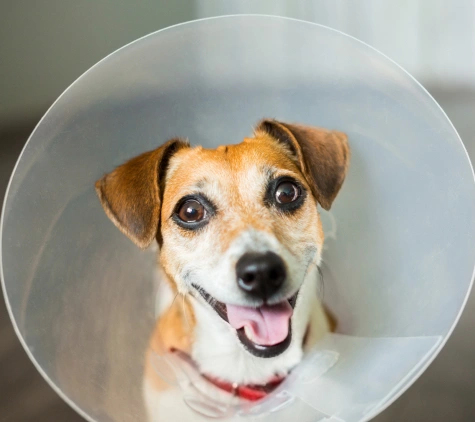
- Elizabethan collar: Your pet may be required to wear an “e-collar” to prevent them from licking or biting the incision site.
- Follow-up appointments: Attend any scheduled follow-up appointments so our veterinary team can monitor your pet’s recovery.
Recognizing Complications
If you notice any of the following symptoms, contact our team immediately:
- Excessive redness, swelling, or discharge at the incision site
- Open incision site
- A significant change in your pet’s eating or drinking habits
- Unusual lethargy or depression
- Signs of pain that don’t improve with prescribed medication
Expert Anesthesia and Surgical Care for Your Pet
Comprehensive Surgery Onsite
Our goal at Tequesta Veterinary Clinic is to partner with you in providing your precious animal companion with a long life of health and wellness. To that end, in addition to our extensive menu of other veterinary services, we offer pet surgery to combat common issues that may arise.
Your pet’s surgery will be performed here in our veterinary clinic, so you have the confidence of knowing your pet is under the care of our skilled veterinarians using our state-of-the-art equipment and surgical instruments. You can also be assured that our experienced and well-trained veterinary nurses will be monitoring your pet’s vital signs while under anesthesia and continuing to keep watch over them throughout the recovery period.
Safe Procedures
Anesthesia is an art! We strive to incorporate Fear Free practices from beginning to end. We send home courtesy “pre op” meds and detailed instructions regarding what you should expect. Your pet will get melatonin and protonix the night before anesthesia and gabapentin the morning of anesthesia. When you drop your sweetie off for the procedure we ask that you stay for 10 to 20 minutes in the exam room while the injection of midazolam takes effect before your pet goes to the back for the iv catheter, anti-nausea medications, pre op blood pressure and pre op ECG. When your pet is awake, we do our best to send your sweetie home with you rather than fret in the kennel all day. We also incorporate local anesthesia into nearly all procedures at no charge.
Why Spay & Neutering Pricing Varies From Clinic to Clinic
A client had been calling around to get quotes to neuter her dog. She asked why the prices varied between our clinic and the low-cost spay and neuter facilities. The answer is very likely the precautions such as IV fluids, anesthesia monitoring equipment, courtesy class 4 therapy laser with surgery, and multimodal analgesia. At the low-cost spay and neuter hospitals, it is assembly line surgery with numerous pets under anesthesia or in recovery at one time. At Tequesta Veterinary Clinic, we wait until one anesthetic patient is extubated and upright before we anesthetize the next patient. At shelters and low-cost spay and neuter clinics, there are often numerous pets in recovery (with endotracheal tubes still in them post-op) at once. This assembly line surgery practice is how these hospitals can afford to provide such low-cost surgery. We limit our procedures to 2 or 3 per day rather than scheduling 15 to 25 procedures per day as most low-cost spay and neuter facilities perform. Some might call this “boutique” anesthesia. We proudly offer the anesthesia for your pets as we would use for our own pets. One of our principles is to treat every patient as if it were our own and treat every client as if she were our mother. Please check out the “Anesthesia and Safety Nets” below.
Our Anesthesia Safety Nets and Best Practices
Keep reading to learn the many “safety nets” we have in place to minimize the risk of anesthesia. We do not allow clients to decline any of these safety nets. These are non-negotiable! These safety nets are included in the price of anesthesia. These safety nets are the things we do when we anesthetize our own pets.